California’s latest primary election has once again reignited debate over mail-in voting, ballot deadlines, and whether Election Day should actually produce election results.
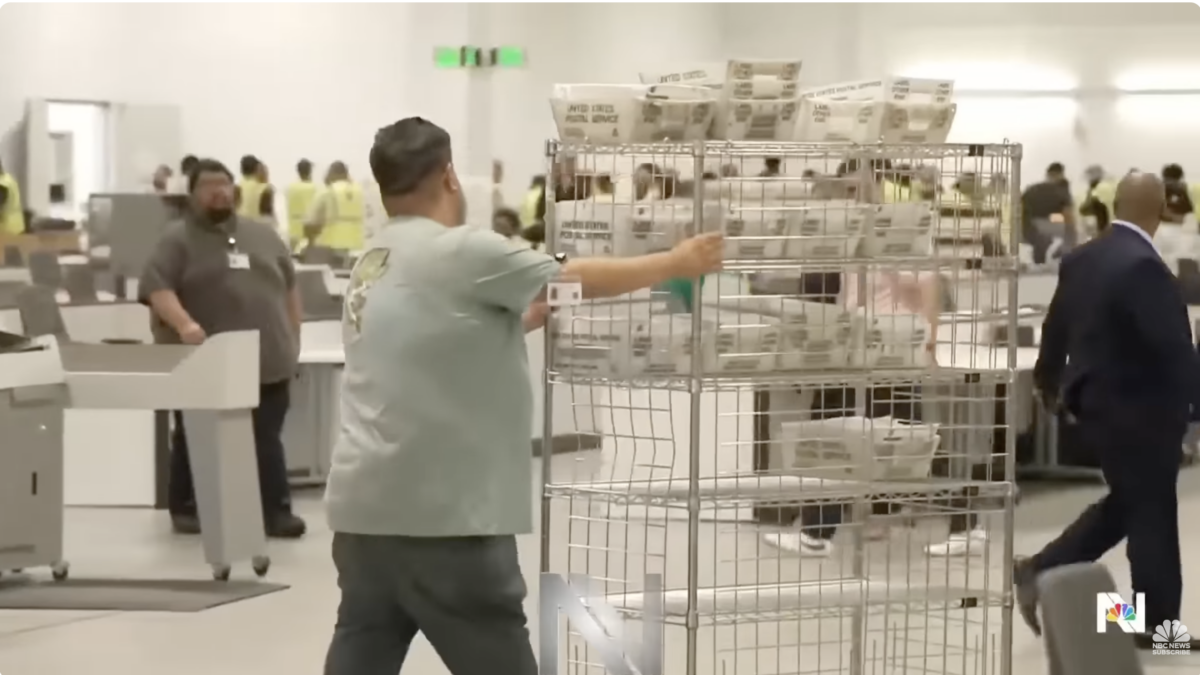
As of Wednesday evening, more than a day after voters went to the polls, California election officials had counted only a little over half of the ballots cast in the gubernatorial primary. With millions of votes still uncounted, final results could remain unknown for days or even weeks.
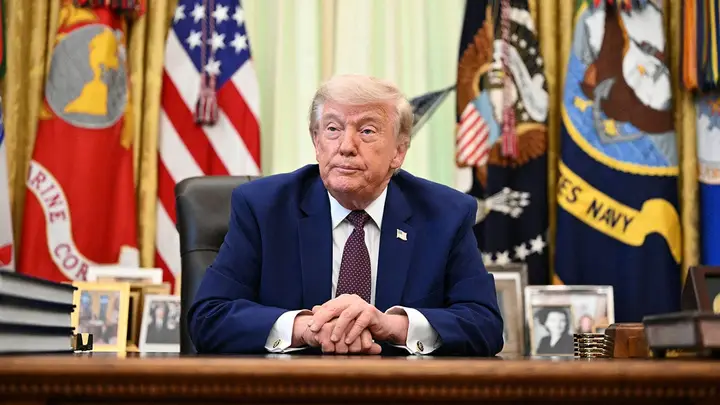
According to reported results, former Fox News host Steve Hilton, who has been endorsed by President Donald Trump, held a narrow lead with 27.6 percent of the vote. Former Health and Human Services Secretary Xavier Becerra followed with 25.6 percent, while billionaire activist Tom Steyer was in third place with 19.8 percent.
Under California's election system, the top two finishers advance to the general election regardless of party affiliation.
The prolonged counting process has become increasingly common in California due to the state's universal mail-in voting system and its policy allowing ballots postmarked by Election Day to arrive up to seven days later and still be counted.
Critics argue that the practice has transformed Election Day into what feels more like Election Month. The delays have also attracted national attention because California's large number of congressional districts can affect the balance of power in Washington. In 2024, extended ballot counting in the state delayed certainty about control of the U.S. House of Representatives for more than a month.
Election integrity advocates contend that lengthy counting periods undermine public confidence and create unnecessary uncertainty. Supporters of the current system argue that it ensures every legally cast ballot is counted.
The debate could soon reach a turning point at the U.S. Supreme Court.
Earlier this year, the Court determined that candidates have standing to challenge laws allowing ballots to be counted after Election Day. The case, Bost v. Illinois State Board of Elections, focuses on Illinois' two-week grace period for mail-in ballots but could have broader implications for states across the country, including California.
Election integrity advocate Marshall Yates expressed hope that the Court will establish clearer limits on post-Election Day ballot counting.
“I hope the court is going to decide election officials can’t count ballots that come in after an election. That’s just basically a matter of common sense,” Yates said.
For critics of California's system, the issue comes down to public trust and timely results. After all, Americans can track a package crossing the country in real time, yet somehow election officials in the nation's largest state still struggle to produce final results promptly. That disconnect continues to fuel frustration among voters who believe Election Day should mean exactly what it says.
As the Supreme Court weighs related legal challenges and California continues counting ballots, the broader national debate over election procedures, voter confidence, and election integrity shows no signs of slowing down. For many voters, the ultimate goal remains simple: elections that are secure, transparent, and resolved without weeks of uncertainty.