A Senate effort to extend a key federal surveillance program failed Friday morning after lawmakers blocked a procedural vote that would have advanced the measure toward final passage.
The motion was defeated by a 47-52 vote, preventing the Senate from moving forward on legislation extending Section 702 of the Foreign Intelligence Surveillance Act (FISA), a provision that allows U.S. intelligence agencies to collect communications from foreign targets without a warrant.
The program has long been controversial because it has also enabled the collection of communications involving Americans who interact with foreign individuals.
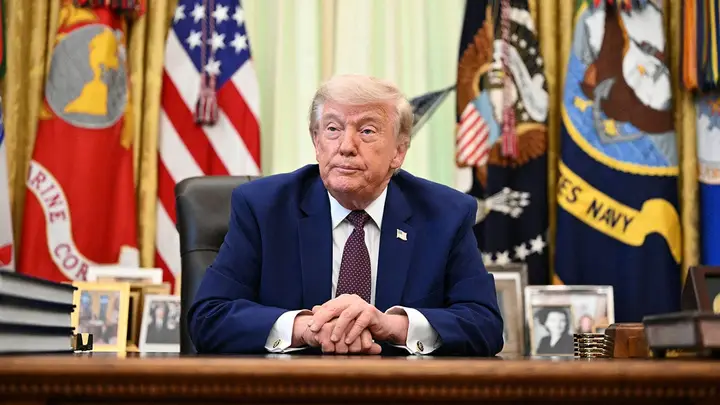
A major factor behind the bill’s collapse was opposition to President Donald Trump’s decision to appoint Federal Housing Finance Agency Director William Pulte as acting director of national intelligence following the resignation of Tulsi Gabbard.
Democrats seized on the appointment, arguing that Pulte’s lack of intelligence experience raised concerns about extending surveillance authorities.
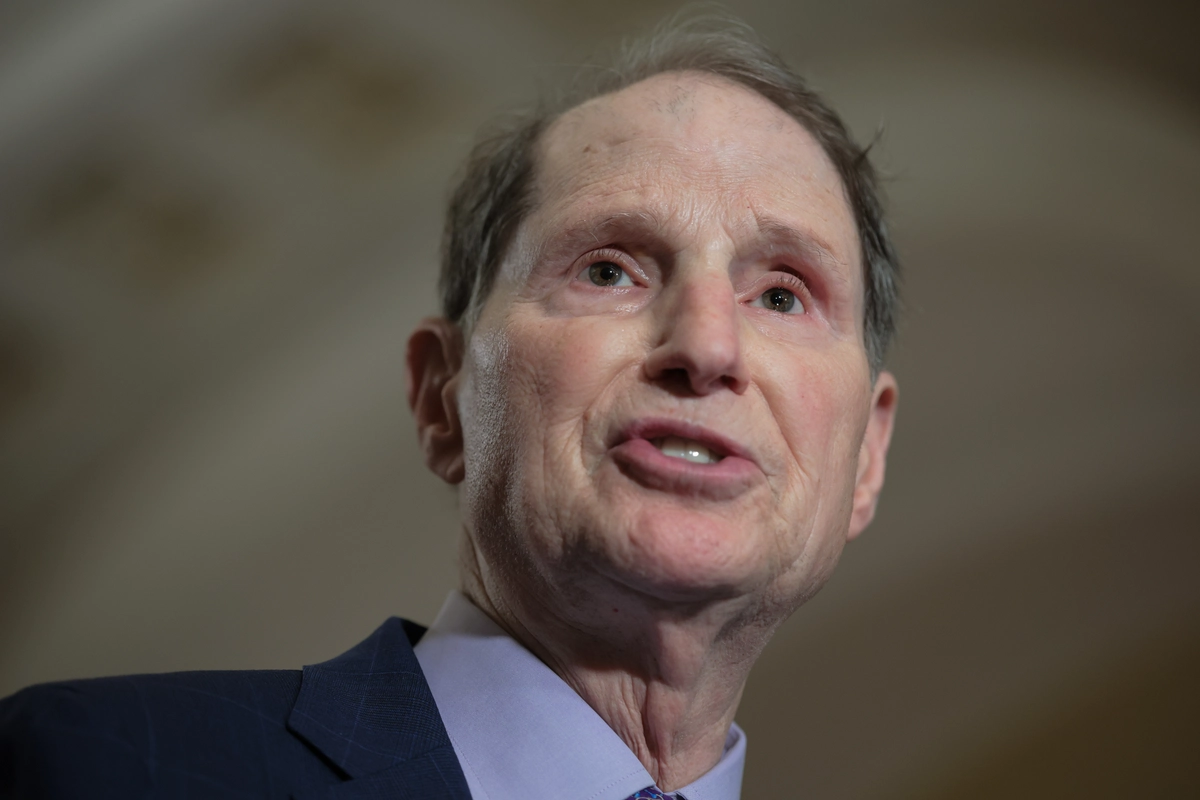
Sen. Ron Wyden of Oregon urged Democrats to oppose the measure, arguing that Congress should not expand what he described as the administration’s surveillance powers under the circumstances.
Even Sen. Mark Warner of Virginia, the top Democrat on the Senate Intelligence Committee, acknowledged that negotiations had produced what he called a strong compromise bill. However, Warner said Pulte’s appointment changed the political landscape surrounding the legislation.
In the end, nearly every Democrat voted against advancing the measure, joined by seven Republicans.
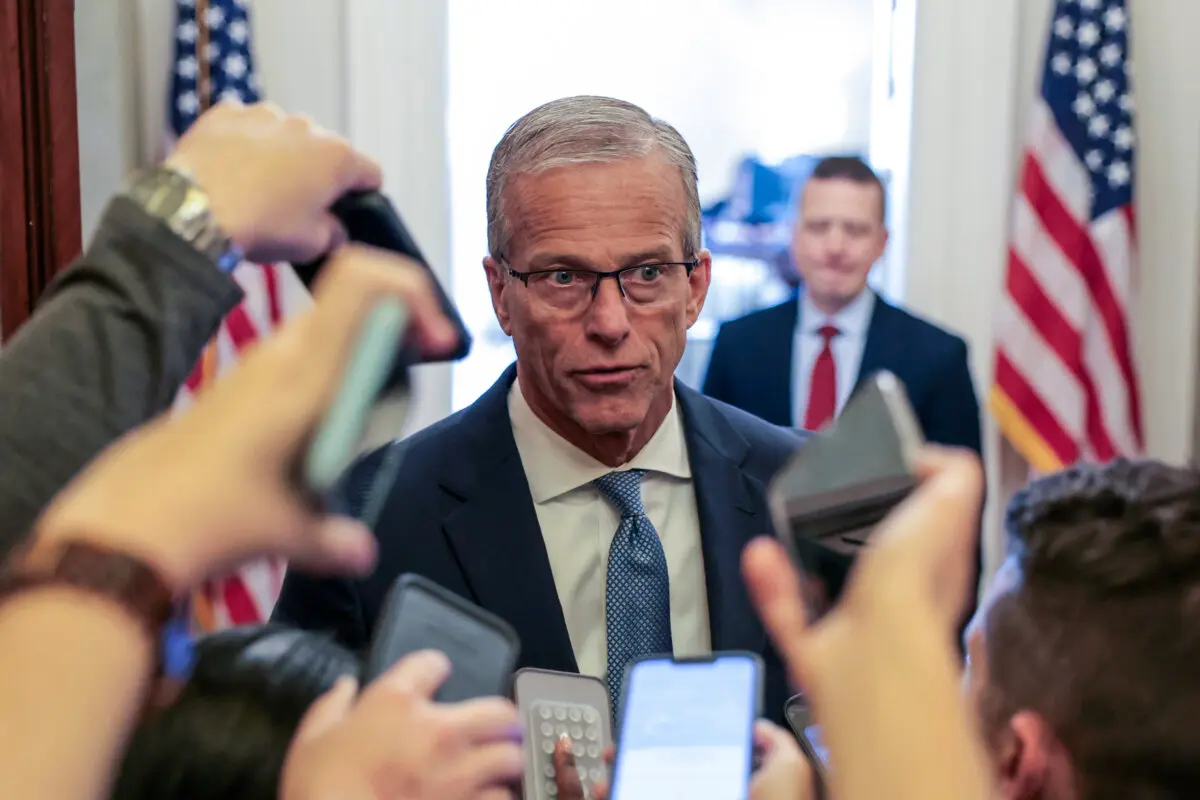
Senate Majority Leader John Thune defended the importance of the surveillance program and suggested that opposition to Pulte should not have derailed legislation dealing with national security.
“The naming of Pulte to that position, although the timing arguably wasn’t the best, I still don’t think it ought to derail something that’s this important,” Thune said.
Pulte’s appointment has generated criticism from both Democrats and Republicans, many of whom have pointed to his lack of intelligence experience. Trump has since stated that Pulte will not be nominated permanently for the position, which would require Senate confirmation.
The setback leaves the future of the surveillance authority uncertain and creates another challenge for lawmakers seeking to reach agreement on intelligence and national security priorities. Any future proposal will still need to clear the Senate’s 60-vote threshold before advancing to the House, where separate disagreements remain unresolved.
The vote also underscores how personnel decisions can quickly reshape legislative battles in Washington. What began as a debate over surveillance powers ultimately became a referendum on leadership at the nation’s intelligence agencies, leaving the extension effort stalled for now.