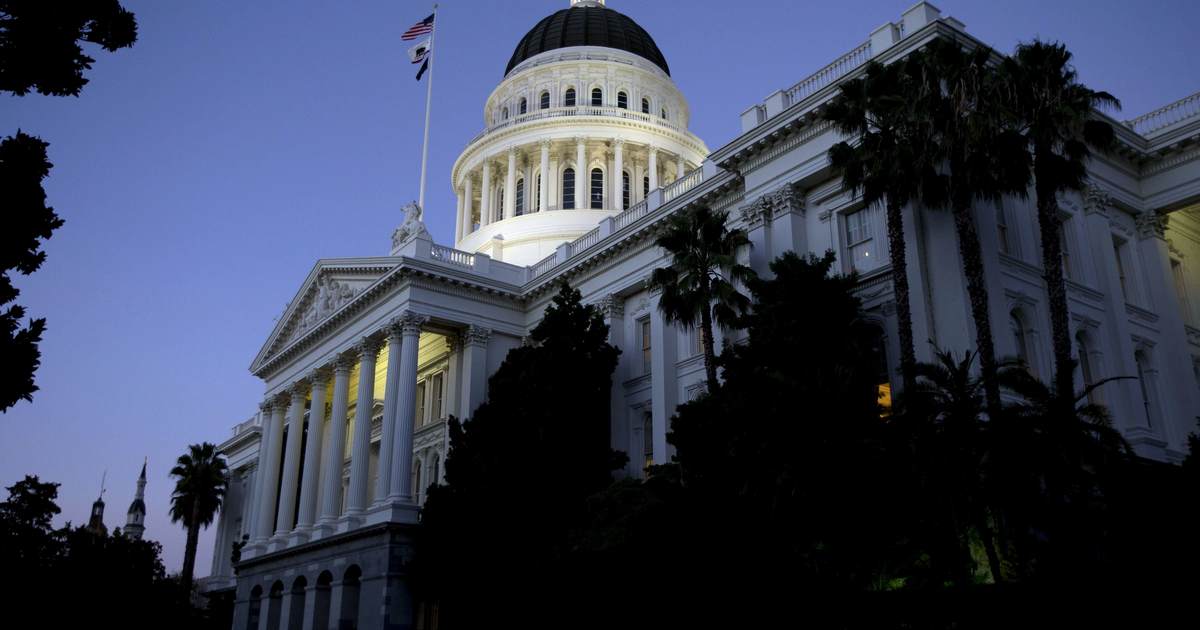
California, a state often at the forefront of policies that defy common sense, is at it again. Voters are being asked to consider Proposition 4 on the November 2026 ballot, a measure that, if passed, would greenlight public funding for election campaigns. The question on every fiscally responsible American's mind: What could possibly go wrong when taxpayers are forced to bankroll political ambitions?
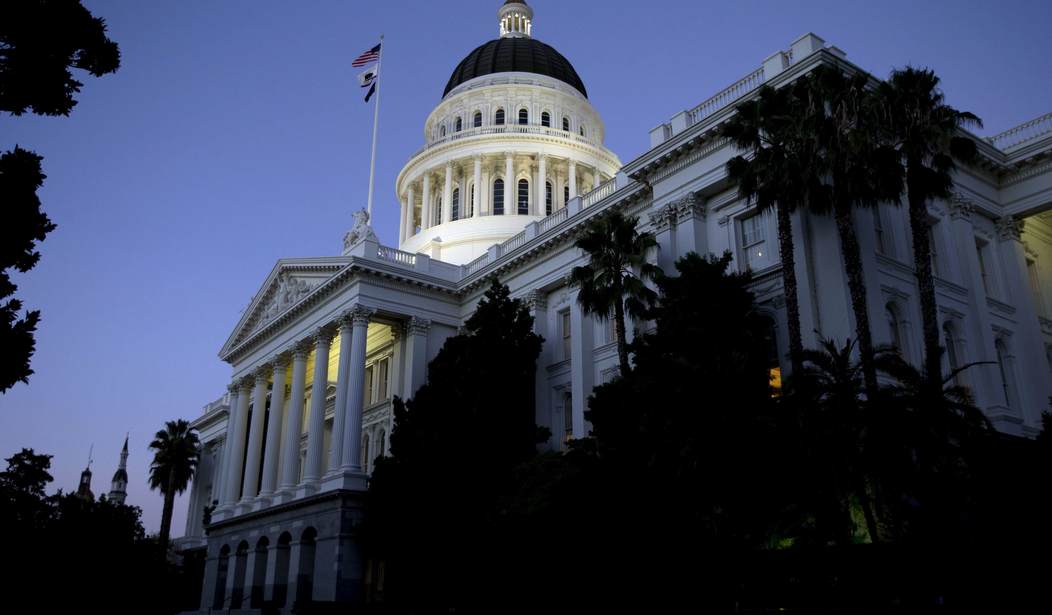
Presently, California, in a rare moment of fiscal restraint, largely prohibits using public funds for state and local elections. Of course, federal elections operate in their own universe, and a few charter cities have already embraced this dubious practice. Cities like San Francisco, Los Angeles, Long Beach, Berkeley, and Oakland – locales renowned for their progressive governance and, shall we say, 'unique' urban challenges – are already funneling public money into city elections. If there’s a more compelling argument against such financing, one struggles to find it.
Proposition 4 doesn’t immediately create a statewide public campaign finance system. Oh no, that would be too direct. Instead, it plays the classic progressive long game, authorizing state and local governments to "create public campaign financing programs in the future if they wish." As the voters’ manual puts it, it merely gives them permission. Apparently, California's politicians believe even coloring books offer more specific instructions than the laws they propose.
For those unfamiliar with the bureaucratic maze, California boasts a Fair Political Practices Commission (FPPC). This five-member commission is supposedly "independent, non-partisan" and tasked with administering the 1974 Political Reform Act. A chair and four commissioners, appointed by the Governor, State Controller, Secretary of State, and Attorney General, comprise its ranks. A quick glance at its structure reveals the usual political maneuvering, but here's the real kicker: this supposedly impartial body is explicitly sidelined from overseeing the very programs Proposition 4 would enable.
And here’s where the true genius of Proposition 4 shines, a stroke of legislative ambiguity that would make any Obama-era bureaucrat proud. The law treats 'rules' more like 'suggestions,' setting vague guidelines for campaign finance programs and conveniently deferring the nitty-gritty details to local bodies. For instance, candidates must meet "strict criteria" to be eligible for taxpayer funds. What does "strict criteria" actually mean? According to the text, it means "the requirements set by statute, ordinance, or charter that candidates must meet to receive public funds." It adds that candidates must "demonstrate broad-based support in their district, such as by requiring candidates to receive small-dollar contributions or vouchers from a specified number of voting-age residents." The definition is as clear as mud, a political punt so legendary it could earn a spot in the NFL Hall of Fame.
One might assume the vaunted Fair Political Practices Commission would provide some semblance of oversight. But no, the text clarifies: "The Commission is not responsible for the administration or enforcement of a system of public funding of candidates established by a local governmental agency." So, relax, Californians. Your "local yokels" – the very politicians who will benefit from this largesse – will be in charge of crafting the rules and regulations. What could possibly go wrong? After all, your major cities already practice public financing, and their systems are running like a "well-oiled machine" – assuming, of course, your definition of a well-oiled machine is a certain currently offline nuclear power plant near Pripyat, Ukraine.
Proposition 4 is a masterpiece of legislative deception. It offers just enough vague language to appear plausible, yet, upon closer inspection, it embodies Ronald Reagan’s timeless warning: "The nine most terrifying words in the English language are: I'm from the Government, and I'm here to help." This proposition is a legal Etch A Sketch, a blank canvas for special interests and self-serving politicians to design a system no one needs and no one, except the political class, truly wants. The perennial problem in California isn't a lack of campaign funds; it's a staggering lack of quality candidates who are, far too often, found utterly lacking in common sense and integrity. Giving them more of your money won't fix that.