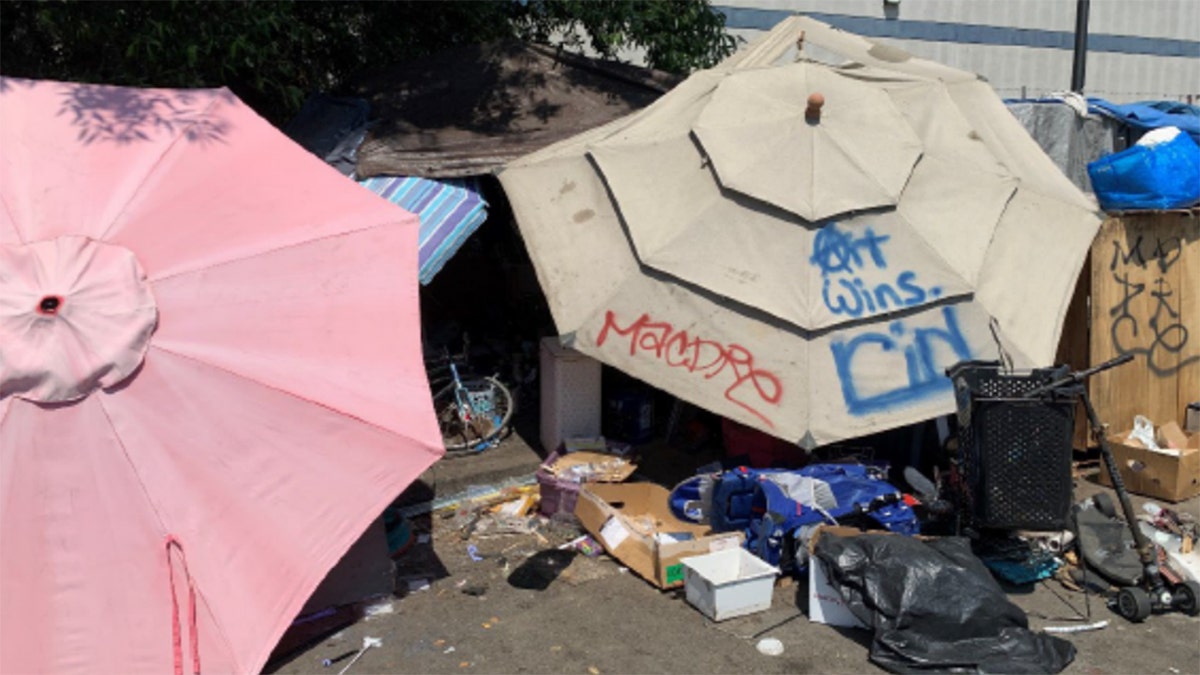
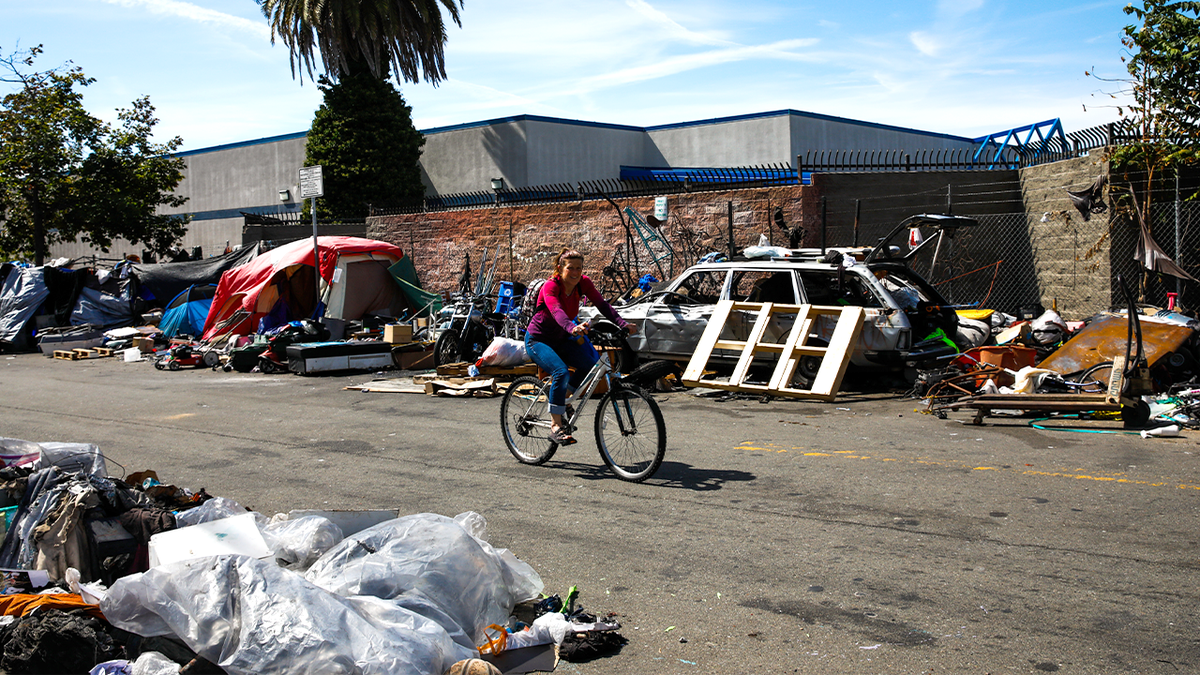
A stark visual reminder of California's unchecked decay has gone viral, exposing a sprawling homeless encampment just steps from University of California, Berkeley student housing. What was once an academic haven now resembles, as one local business owner put it, "a slum out of a Third World country," leaving parents horrified and businesses struggling to survive.
The disturbing scene unfolded after Lyanne Melendez, a veteran reporter for San Francisco's ABC7 News, captured the shocking reality near University Village, a university-owned complex in Albany where she had just moved her son. Melendez's social media post, directed at the cities of Berkeley and Albany and UC Berkeley administration, quickly ignited a firestorm of concern. While the specific encampment lies within Albany city limits, its close proximity to campus facilities has students and their families grappling with the fallout of failed progressive governance.
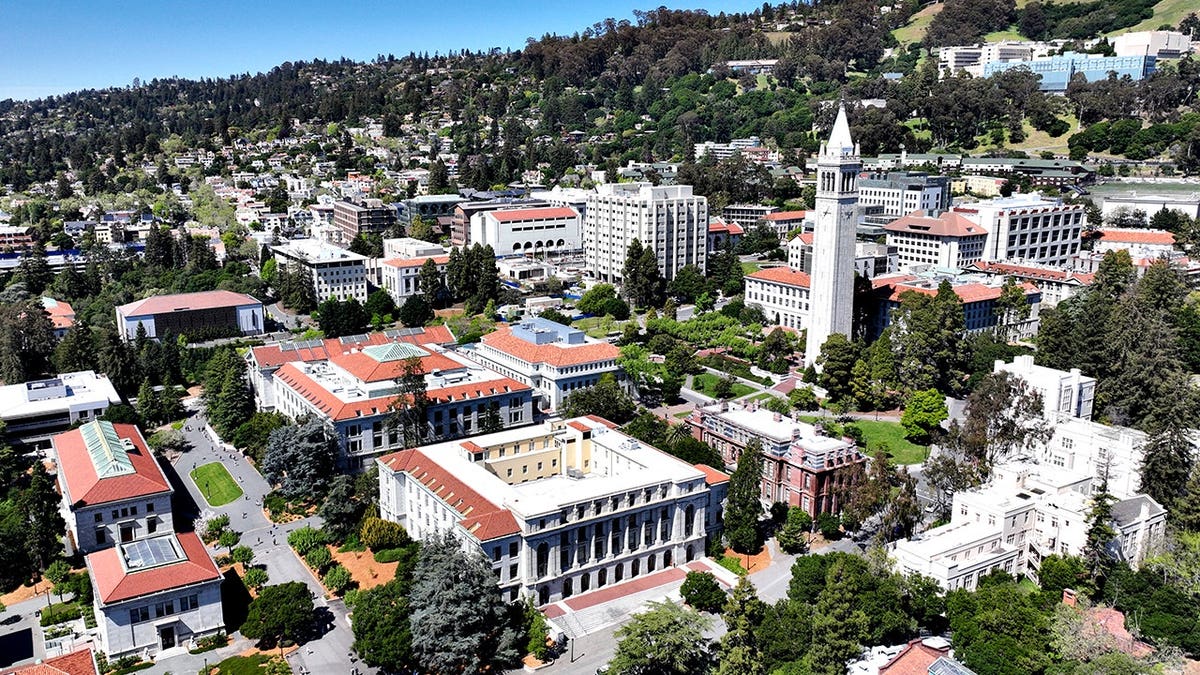
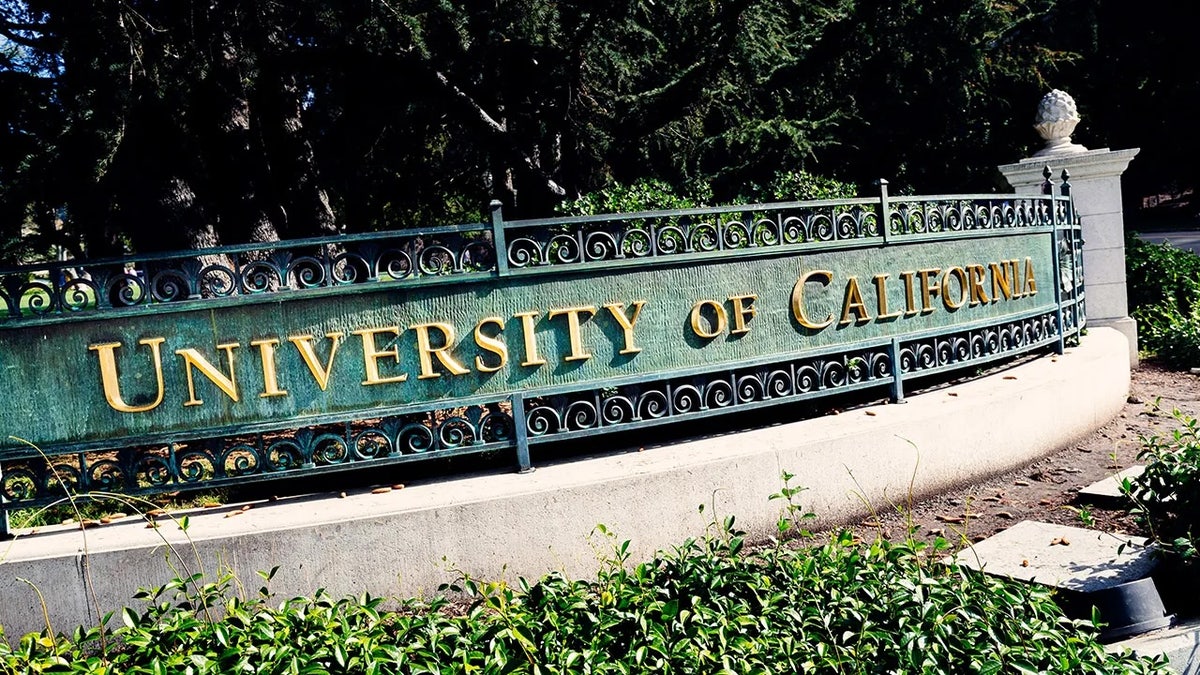
A UC Berkeley spokesperson, ever quick to deflect, stated that the encampment is "not on University property" and that they possess "no jurisdiction or ability to address this issue," conveniently passing the buck to the City of Berkeley. This bureaucratic sidestep offers little comfort to students like John Paul Leon, a UC Berkeley senior, for whom walking past multiple homeless individuals has become a grim "usual occurrence." While students may have grown "used to it," Leon candidly observed that "a lot of parents would not feel right about their children being subject to" such conditions.
The human cost of this unchecked crisis extends far beyond student anxieties. Emily Winston, the founder and CEO of Berkeley's Boichik Bagels, painted a chilling picture of daily life for local businesses. She described pervasive issues including "feces found all over on various properties," used needles, and "very scary threats to staff." Winston recounted one harrowing incident where her employees had to "beg someone to get out of our dumpster" after an individual had climbed inside and closed the lid. It’s a level of public disorder that has forced Winston to personally clean human waste and needles from her storefront, a task no business owner should ever endure.
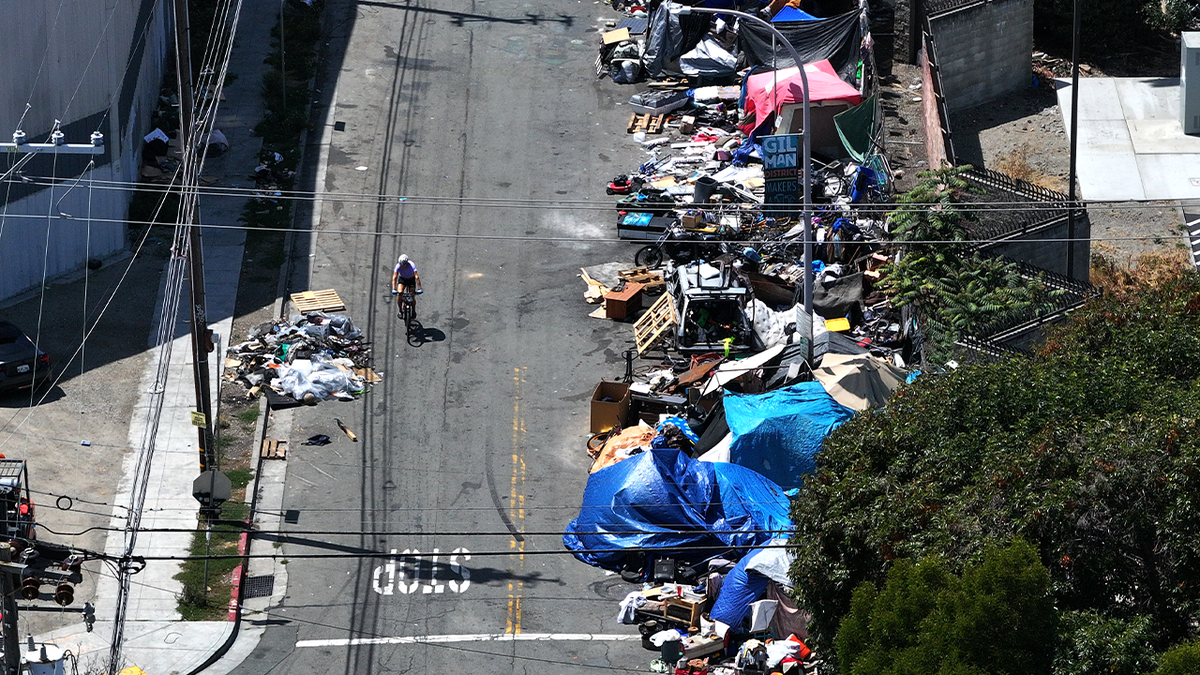
Winston’s business, which boasts an "awesome patio" meant for families to "watch our robots make bagels," has seen a noticeable drop in onsite sales. Parents, understandably, are reluctant to expose their children to the "pretty scary" environment just around the corner. The situation has become so dire that Winston confessed, "Had I known what was [going to] happen... I probably would not have signed this lease, and I would have built this elsewhere." She, along with other local businesses, felt compelled to join a lawsuit against the city in 2024, challenging Berkeley's permissive approach to encampments.
When confronted, city officials fall back on the tired excuse that "their hands are tied" due to legal challenges against encampment sweeps. Winston, however, sees through this flimsy reasoning, likening the city's efforts to mere "housekeeping" that offers only temporary, cosmetic fixes without addressing the root problem of public safety and order.
Barry Braden, co-founder and CEO of Fieldwork Brewing Co., echoed these grave concerns, highlighting the "persistent public safety, sanitation and access concerns" impacting his employees, customers, and the community. Braden’s call for "prompt, effective action" from city leaders underscores the growing desperation of businesses and residents who simply want their city restored to common-sense order.
The City of Berkeley’s official response is a masterpiece of bureaucratic doublespeak, referencing "ongoing municipal and legal efforts" and adherence to "court orders." They tout "extensive documentation of conditions on the street" and "numerous declarations" filed in court, effectively burying the crisis in paperwork rather than solving it with decisive action.
This unfolding saga in Berkeley is a stark microcosm of California’s broader crisis, where progressive policies have prioritized abstract ideals over the foundational principles of public safety, order, and accountability. As cities like Berkeley descend into squalor, the everyday Americans—students, parents, and hardworking business owners—are left to bear the burden, demanding leadership that puts citizens first, restores common sense, and reclaims their communities from the chaos.