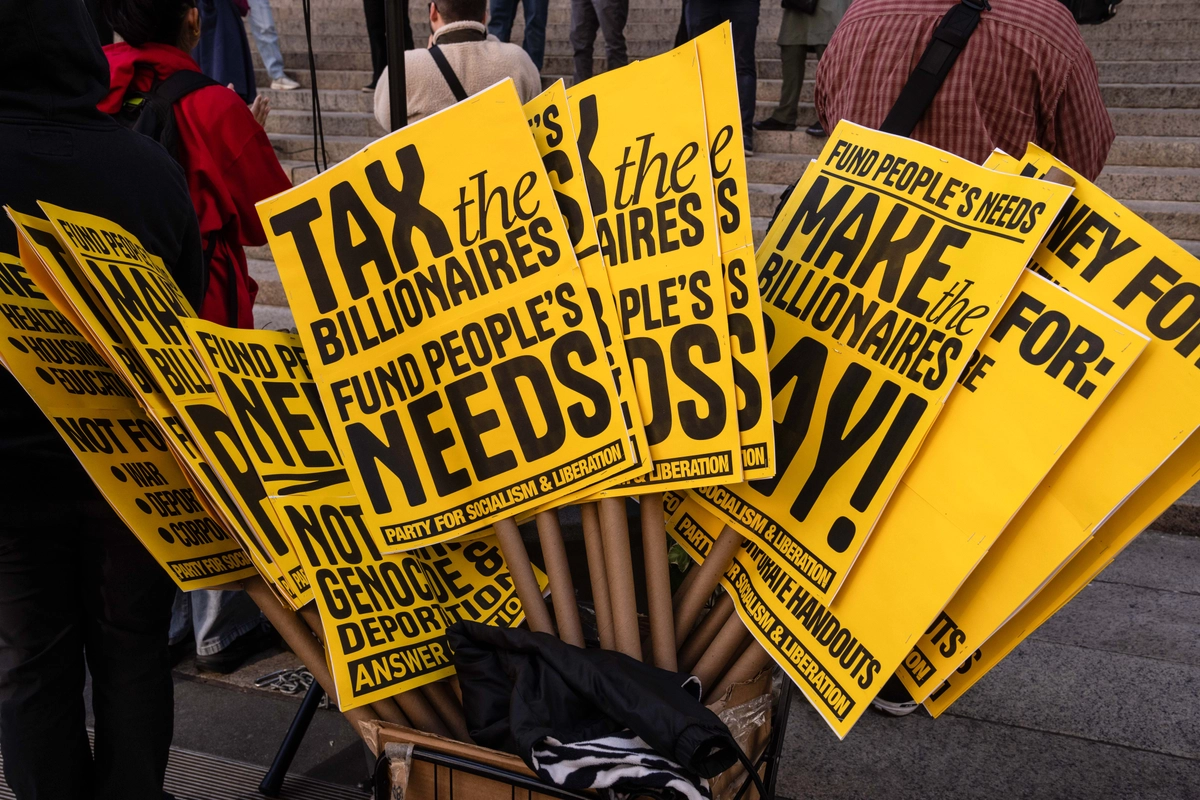
California voters delivered a decisive rejection of a proposed billionaire wealth tax, turning back an effort to impose a one-time 5 percent levy on the assets of residents worth more than $1 billion.
Proposition 40 failed by a margin of 55.6 percent to 44.4 percent, signaling that even in one of the country’s most Democratic states, voters were unwilling to embrace a sweeping new tax on accumulated wealth. At the same time, voters approved Proposition 42, which prohibits the state from imposing new property taxes, by 54.3 percent to 45.7 percent.
The results followed an expensive political battle between the measure’s supporters, including Democrats and healthcare unions, and opponents who warned that the proposal would drive wealthy residents and investment out of California. According to the California Secretary of State, supporters spent approximately $33 million promoting Proposition 40, while opponents poured more than $130 million into defeating it.
The campaign itself revealed the deep divide over the proposal. The Yes on 40 campaign accused billionaires Sergey Brin and Peter Thiel of spending millions on advertising to defeat the measure, arguing that wealthy Californians were trying to influence voters in their own financial interests.
But the opposition's message resonated. The California Chamber of Commerce warned that the unprecedented wealth tax would establish a dangerous precedent and create more economic problems than it could solve.
The defeat may not end the fight. Dave Regan, president of Service Employees International Union-United Healthcare Workers, the organization behind the ballot initiative, said the group intends to bring the proposal back in 2028. Rep. Ro Khanna, a California Democrat whose district includes parts of Silicon Valley, also pledged to revive the effort.
The proposal would have affected an estimated 260 California residents, according to the California Billionaire Wealth Tracker, which monitors the Forbes Real-Time Billionaires list. Supporters claimed the tax could generate $100 billion over five years, with the proceeds intended to help cover healthcare, food assistance and education costs.
A central argument for the tax was that California needed new revenue to address anticipated healthcare funding gaps following federal changes under the One Big Beautiful Bill Act, signed into law in 2025.
The Yes on 40 campaign warned that the federal legislation would lead to soaring insurance premiums, 3.4 million Californians losing health coverage, and clinics, emergency rooms and hospitals closing. Supporters presented the wealth tax as a way to replace that funding and protect vulnerable residents.
Opponents, however, questioned whether the promised revenue would materialize. They argued that imposing a substantial tax on wealth could prompt billionaires and other high-net-worth residents to relocate, taking businesses, investments and future tax revenue with them. If that happened, the state could collect far less than supporters projected.
California is not the only state where Democrats are pursuing wealth-tax proposals. Illinois, Maryland, Minnesota, Rhode Island and Washington have also seen efforts to introduce similar legislation. Recent Democratic electoral gains could give those initiatives renewed political momentum.
Yet California's result offers a warning to lawmakers who assume voters will automatically support higher taxes when the money is presented as funding healthcare or other public services. A government facing budget pressures cannot simply assume that taxing a small group of wealthy residents will produce the revenue promised on a campaign website.
The message from California voters was clear: promises of billions in new revenue were not enough to overcome concerns about economic consequences and the precedent such a tax could establish. For a state already struggling with affordability and the cost of living, the next debate should be about responsible spending and keeping investment at home—not continually searching for new ways to tax wealth.