If anyone still thought Canada’s gun policies would stop at “reasonable restrictions,” well… this latest development might clear that up.
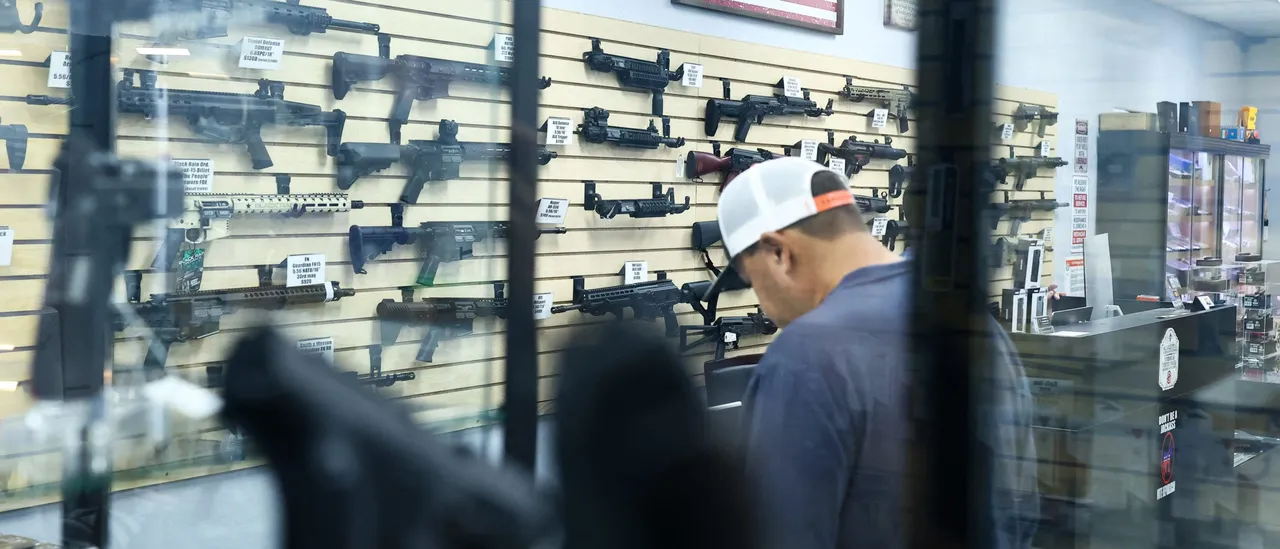
The Canadian government is now considering using retired police officers to help carry out door-to-door firearm collections, following extremely low compliance with its gun control program. Yes—door-to-door.
The policy traces back to legislation introduced by former Prime Minister Justin Trudeau, known as Bill C-21, which aimed to freeze handgun purchases and implement a mandatory “buyback” of certain semi-automatic firearms. The bill officially became law in December 2023, following earlier bans on more than 2,500 types of firearms after a 2020 mass shooting in Nova Scotia.
But here’s where things get interesting: compliance has been, let’s just say, less than enthusiastic.
During a parliamentary hearing, Conservative MP Dane Lloyd revealed that only about 2.5% of an estimated two million affected firearms had been declared. That means roughly 98% of owners haven’t participated. Not exactly a ringing endorsement of the policy.
So what’s the plan?
According to Public Safety Minister Gary Anandasangaree, once the declaration period ends, authorities—including the RCMP—will begin collecting firearms throughout the spring and summer. And because regular police resources are already stretched thin, the government is looking at “additional resources,” including off-duty and even retired officers.
Because when compliance doesn’t happen voluntarily… well, apparently the next step is to come knocking.
Lloyd raised concerns about deploying police for this effort, especially given reports of officer shortages and rising crime. A fair point—though the minister insisted that current resources wouldn’t be diverted. Instead, new or supplemental personnel would handle the job. Problem solved, right?
Not everyone is convinced.
The National Rifle Association quickly criticized the move, arguing that this is exactly where such policies always lead—mandatory registration followed by confiscation. Their message was blunt: once governments start down this path, they don’t stop.
And it’s not just Canada. Similar policies are being discussed elsewhere, including in Australia, where Prime Minister Anthony Albanese has proposed expanded firearm confiscation measures following a 2025 terrorist attack.
So while officials continue to frame these actions as public safety measures, critics see something very different—a steady escalation.
In the end, the situation in Canada is becoming a real-world test case. What happens when a government pushes sweeping firearm restrictions… and the vast majority simply don’t comply?
We’re about to find out.
And if nothing else, one thing is clear: debates around rights, safety, and government power aren’t slowing down anytime soon.