The integrity of Michigan’s highest court is now under a microscope after it was revealed that a radical climate activist PAC bankrolled the campaigns of two state Supreme Court justices just weeks before they delivered a critical ruling against a major oil pipeline project.
Chief Justice Megan Cavanagh and Justice Noah Hood each received a hefty $5,000 donation from the Jane Fonda Climate PAC (JanePAC) approximately six weeks prior to their 6-1 decision to vacate the approval of Enbridge’s Line 5 project. This ruling, citing an "inadequate review of environmental impacts," has ignited serious questions about judicial impartiality and the growing influence of the anti-energy left on America's legal system.
This isn't just about a single ruling; it’s part of a broader, insidious strategy by climate groups. They are actively pouring money into judicial races, seeking to elect judges who will prioritize their extreme environmental agenda and then promote that agenda through the courts.
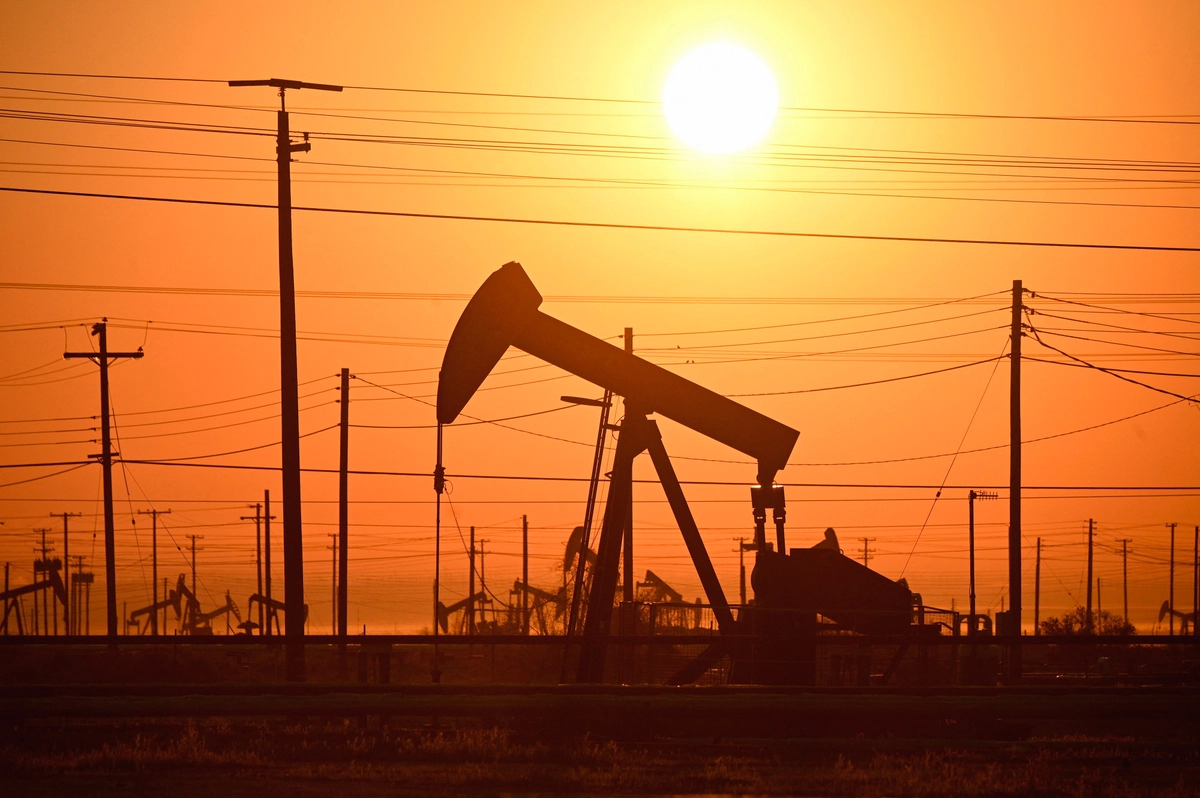
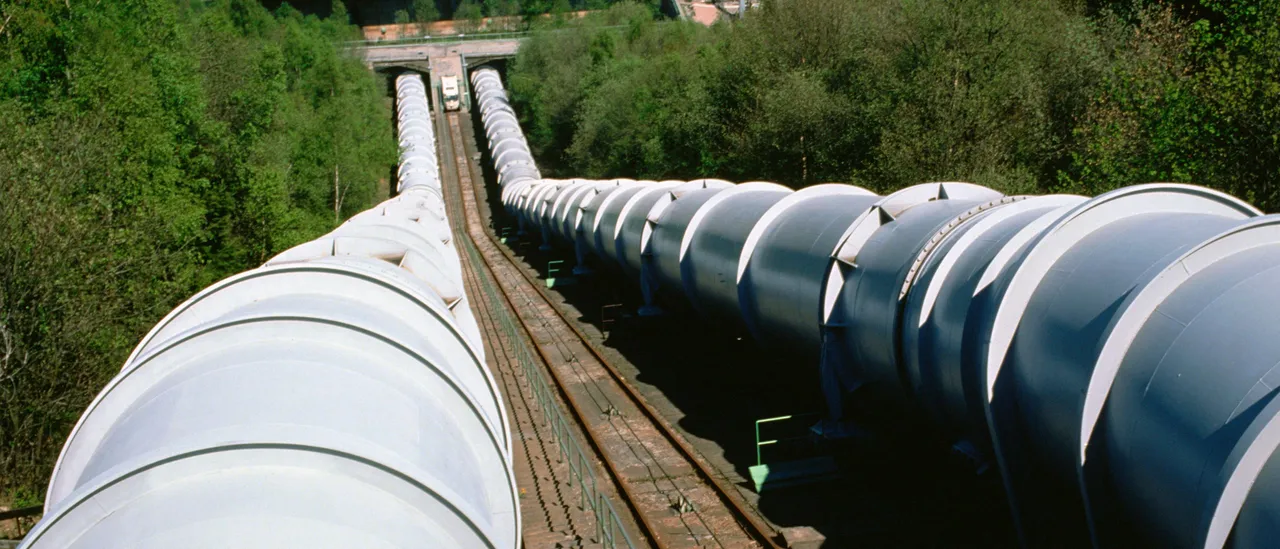
Line 5, a crucial energy artery, spans 645 miles, originating in Superior, Wisconsin, traversing Michigan’s Upper and Lower Peninsulas, and ending in Sarnia, Ontario. This vital pipeline transports light crude oil and natural gas liquids, boasting an average annual capacity of 540,000 barrels per day – energy essential for both American and Canadian consumers. Only about four miles of Line 5 cross the Straits of Mackinac, where two 20-inch pipelines currently run primarily near or on the lakebed.
Jane Fonda, the Hollywood actress turned climate radical and founder of JanePAC, has made her disdain for the pipeline clear. She has publicly denounced Line 5 and championed politicians like Democratic Michigan Gov. Gretchen Whitmer and Attorney General Dana Nessel, both fierce opponents of the pipeline. Fonda even protested against Enbridge Energy's Line 3 crude oil pipeline in Minnesota, underscoring her deep-seated commitment to dismantling America’s fossil fuel infrastructure.
"This is one more tool the anti-energy left is using to go after anybody that wants to provide low-cost energy to Americans," stated Jason Torchinsky, an attorney for the Patriots Foundation, an Iowa-based government-transparency watchdog. Indeed, the lines between radical environmental activism and the sacred principle of an independent judiciary are being deliberately blurred, raising troubling questions about rulings that appear to be directly influenced by political donations.
When contacted for comment, JanePAC, Cavanagh, and Hood conspicuously remained silent, offering no explanation for the timing or appropriateness of the donations.
The Michigan Supreme Court’s July 31 ruling reversed a Michigan Court of Appeals decision that had previously upheld the Michigan Public Service Commission’s approval of Enbridge’s plan to relocate the Straits of Mackinac portion of Line 5. The high court’s decision sent the project back to the Commission for further, and almost certainly obstructionist, proceedings.
The Michigan Public Service Commission had, in 2023, prudently approved Enbridge’s plan to replace the existing Straits crossing with a modern, single 30-inch pipeline housed inside a concrete-lined tunnel burrowed 60 to 370 feet beneath the lakebed. The Commission recognized a clear public need for this upgrade, noting that alternative fuel transport methods would carry higher risks and costs for Michigan consumers. The tunnel was designed to offer enhanced protection against accidental ruptures or equipment failure, a common-sense solution overridden by judicial activism.
This legal saga began in June 2019 when Michigan Attorney General Nessel sued Enbridge, demanding the permanent decommissioning of the pipeline. Nessel branded Line 5 an "unacceptable risk to the Great Lakes," arguing that its continued operation violated Michigan’s public trust doctrine. Her administration, alongside Gov. Whitmer’s, attempted to revoke the pipeline's easement in 2020. However, a federal court blocked Michigan’s shutdown effort in December 2025, correctly finding that federal pipeline safety law preempted the state’s overreach and that forcing an international pipeline to close directly conflicted with U.S. foreign policy, a federal domain. The Justice Department itself intervened, highlighting a treaty between the United States and Canada governing international pipelines, another clear rebuke to state-level radicalism.
Both Justice Cavanagh and Justice Hood are now seeking full terms on the Michigan Supreme Court this November, having received continued endorsements from the Jane Fonda Climate PAC. Cavanagh, prior to her legal career, even worked in environmental consulting, a detail her campaign website notes but conspicuously avoids listing her "environmental priorities," leaving many to connect the dots themselves.
Her judicial record also includes joining the court’s 4-3 decision rejecting efforts to halt the certification of Michigan’s 2020 presidential election results, a decision that still raises questions for many concerned with election integrity. Justice Hood, with a shorter supreme court record, was appointed in May 2025 and quickly aligned with Cavanagh and four other justices in the Line 5 ruling, fulfilling the environmental lobby’s clear expectations.
JanePAC's tentacles of influence extend far beyond the judiciary, having spent $81,000 in Michigan during the current election cycle. This PAC, fueled by wealthy climate donors, backs numerous candidates, including Democratic attorney general nominee Eli Savit, who received $12,500. Other beneficiaries include state Senate candidate Natalie Price, Michigan House candidate Jaime Churches, and Will Lawrence, a candidate for Michigan’s 7th Congressional District and a co-founder of the radical Green Deal-focused Sunrise Movement. This widespread financial support paints a clear picture of a coordinated effort to fundamentally reshape Michigan's political and legal landscape through an extreme environmental lens.
Jaime Churches, one of the recipients, issued a statement claiming gratitude for the Jane Fonda Climate PAC’s support, stating her campaign focuses on "making sure working families can afford to live, work, and raise their families in Michigan. That includes supporting policies that protect clean air and clean water, hold polluters accountable, protect our Great Lakes, and make sure that our Downriver communities are not left behind as our energy economy changes." These are familiar platitudes, but they cannot disguise the underlying agenda being pushed by well-funded, anti-energy organizations.
The Michigan League of Conservation Voters (Michigan LCV) also endorsed Cavanagh and Hood, proudly proclaiming their commitment to protecting the "environment, public health and 'democracy'" – a curious pairing of goals that often translates to environmental dictates over public will. Both JanePAC and Michigan LCV are integral parts of a national climate coalition that aims to indoctrinate legal practitioners on how to apply "climate science" in litigation, further solidifying their grip on the justice system.
While Enbridge's Line 6B did experience a rupture in 2010, resulting in an oil spill into the Kalamazoo River, this incident involved a separate pipeline and has been thoroughly addressed. The incident should not be conflated with the safety and modern engineering solutions proposed for Line 5, which are designed to enhance environmental protection, not diminish it.
The concerted effort by climate activists, fueled by Hollywood money, to manipulate judicial outcomes and undermine critical energy infrastructure like Line 5 is a direct assault on American energy independence, economic stability, and the very foundation of an impartial justice system. True accountability demands that judges rule based on law and fact, not on the campaign contributions from special interest groups with a radical agenda. Americans deserve transparency and an unwavering commitment to common sense, not a judiciary for sale to the highest eco-activist bidder.