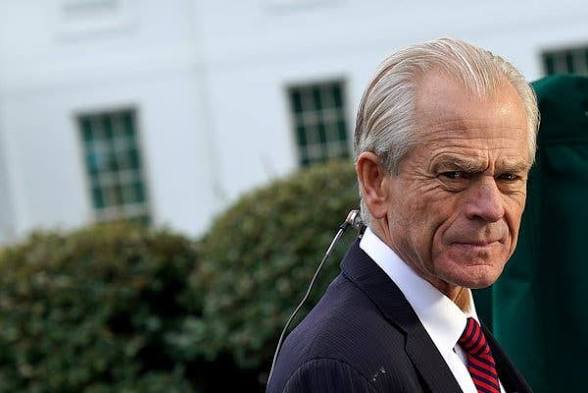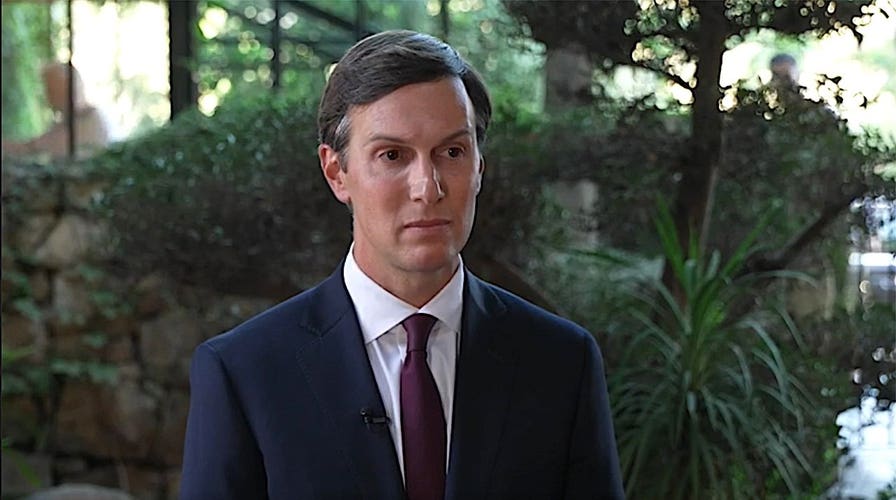
In a rare public rebuke, senior Trump advisor Jared Kushner has sharply criticized CNN for what he termed a "deeply misleading story and headline," accusing the network of attempting to undermine his vital diplomatic work in the Middle East. The target of Kushner's ire was a paywall-protected CNN report, brazenly titled, "How Jared Kushner’s firm’s investment in an Israeli company could be a major conflict of interest."
The establishment media, ever eager to find fault with anyone connected to President Donald Trump, clearly aimed to paint a picture of impropriety. CNN’s article suggested that Kushner's company, Affinity Partners, somehow benefited from investments in Israeli defense companies while he was a key negotiator for peace in Gaza. A classic guilt-by-association tactic, designed to sow doubt and create a false narrative.

However, the truth, as always, is far more inconvenient for the corporate media. As Kushner revealed, buried deep behind CNN’s paywall – ten paragraphs deep, to be precise – was the crucial admission that "CNN found no indication that Kushner’s actions as a diplomat directly affected the investments reviewed."
This admission, vital for any semblance of journalistic integrity, was intentionally hidden from casual readers, allowing the inflammatory headline to do its damage unchecked. It's a textbook example of how the establishment press manufactures outrage and biases public perception, reserving the inconvenient facts for those willing to pay to dig for them. Apparently, common sense needed a permission slip.
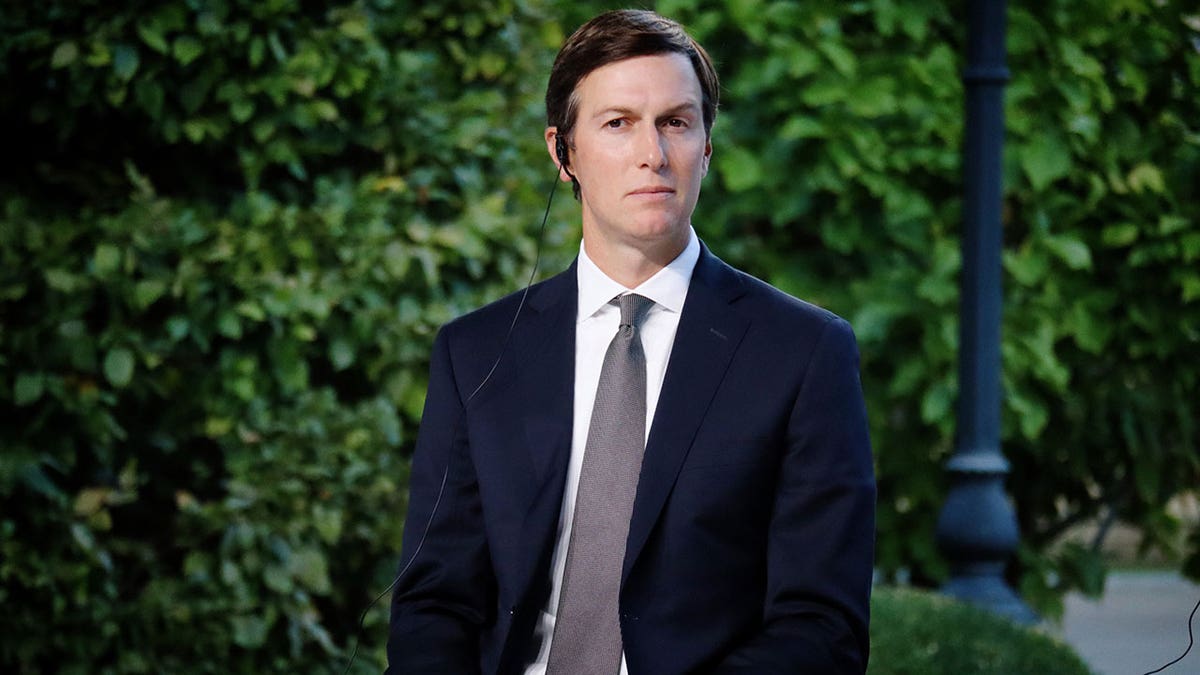
Kushner forcefully countered CNN’s deceptive framing, clarifying that Phoenix Financial, the firm in question, is not a defense company at all. Instead, it is one of Israel's largest publicly traded financial institutions, managing approximately $220 billion across thousands of investments – essentially, "the Israeli equivalent of Vanguard or Fidelity," as Kushner explained. Phoenix manages the retirement savings of millions of Israelis, and Kushner asserted he has "no role in deciding what Phoenix buys or sells."
His investment in Phoenix through Affinity Partners, an SEC-registered firm, was public and predated President Trump's re-election bid and Kushner's return to public service. As he noted, Affinity does not directly own the defense companies highlighted by CNN. The facts, as presented by Kushner, dismantle CNN's insinuation of a conflict of interest, exposing the report as a deliberate hit piece rather than genuine journalism.
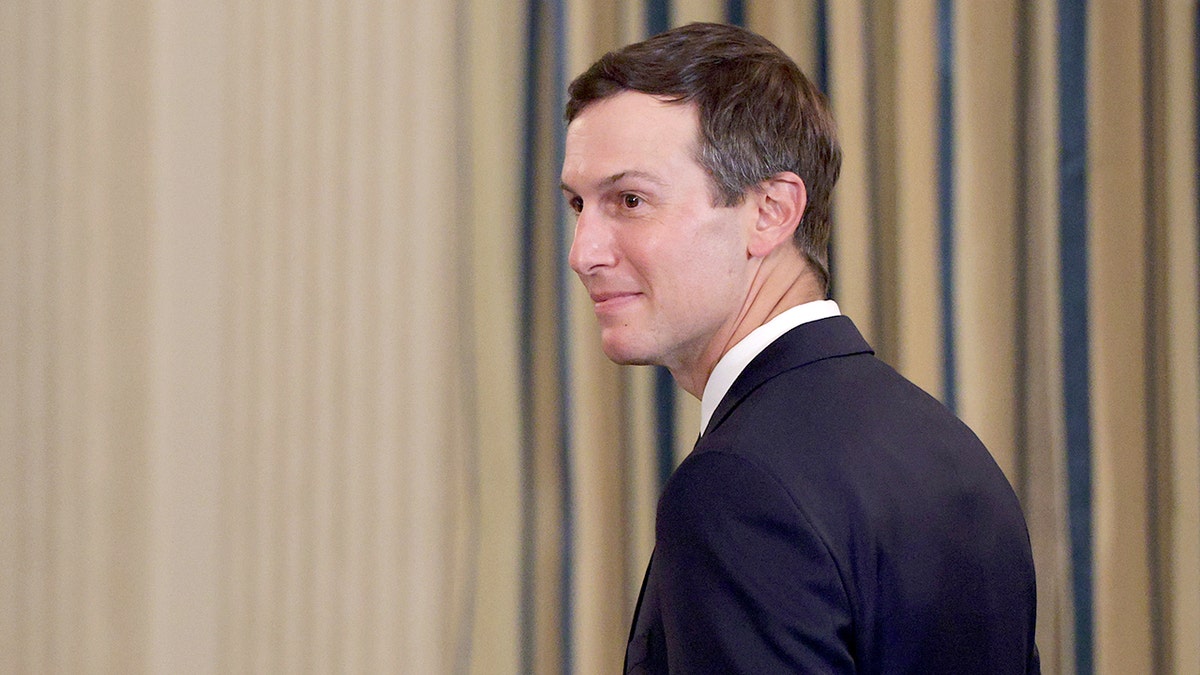
For a decade, Kushner has largely remained silent in the face of "false and misleading stories." But the continuous cycle of repeating old lies as fact and adding new ones has, he argued, made the record increasingly distorted. It’s a familiar pattern for anyone observing the relentless attacks on President Trump and his America First movement.
A White House spokesperson echoed this sentiment, calling the suggestion that Kushner’s business activities influenced his diplomatic engagements a "tired narrative that Democrats have pushed against President Trump, his family, and his administration for a decade." CNN's response? A dismissive "we stand by our reporting," a classic non-answer when confronted with clear evidence of bias.

Kushner remains undeterred, stating that such "misleading stories will not distract me from the work President Trump asked me to do: help end wars, bring people together and pursue peace. That work is too important." This incident once again underscores the profound media bias prevalent in today's landscape, where truth is often sacrificed at the altar of political narrative. Americans deserve honest reporting, not carefully crafted smears hidden behind paywalls, especially when the integrity of America First diplomacy is at stake.