Colombia's peaceful transfer of power has been thrown into uncertainty after President-elect Abelardo de la Espriella accused outgoing President Gustavo Petro of undermining the democratic process and suspended the formal transition of power.
The political standoff erupted after Petro challenged the legitimacy of the June 21 presidential runoff, claiming the election that brought de la Espriella to victory was fraudulent. According to the Associated Press, Petro rejected the outcome after de la Espriella narrowly defeated left-wing Sen. Iván Cepeda by roughly one percentage point.
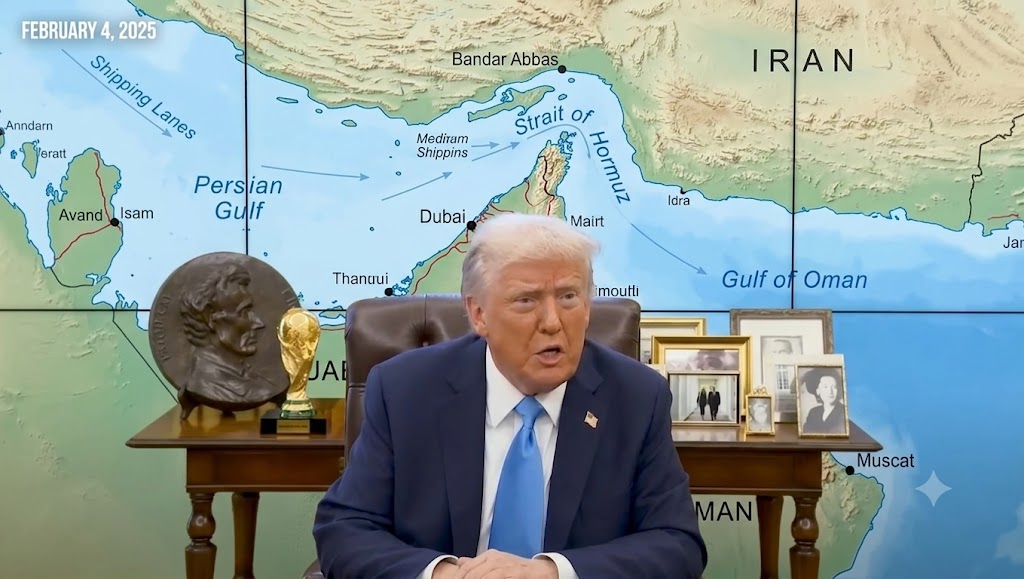
De la Espriella, a conservative who received the endorsement of President Donald Trump during the campaign, responded by halting the transition process and accusing Petro of attempting to cling to power rather than respecting the will of Colombian voters.
If the accusations prove accurate, the confrontation would represent a serious test for one of Latin America's oldest democracies. Peaceful transfers of power are a cornerstone of constitutional government, and any effort to obstruct that process would inevitably raise concerns about democratic stability and the rule of law.
Petro has denied the legitimacy of the election results, arguing that fraud tainted the vote. As of now, the claims remain contested, and election authorities and other institutions are expected to play a central role in determining how the dispute proceeds.
The episode has also drawn attention because of Trump's backing of de la Espriella. Conservatives have argued that the president's endorsement reflected support for stronger economic policies, closer cooperation with the United States, and a tougher stance against socialist governance that has reshaped parts of Latin America in recent years.
For many observers, the dispute extends well beyond Colombia's borders. The outcome could influence regional stability, U.S.-Colombia relations, and the broader contest between free-market, pro-Western governments and leftist political movements across the hemisphere.
As Colombia navigates the crisis, the stakes are clear: voters cast their ballots expecting the outcome to be respected. Whether the country completes a peaceful constitutional transition or descends into a prolonged political battle will be closely watched throughout the Americas. For supporters of the America First movement, the principle remains straightforward—democratic elections must be honored, the rule of law must prevail, and political leaders should accept the verdict of the voters rather than attempt to rewrite it after the fact.