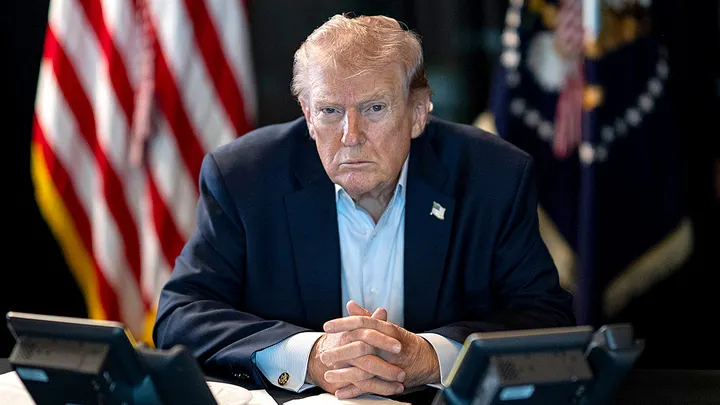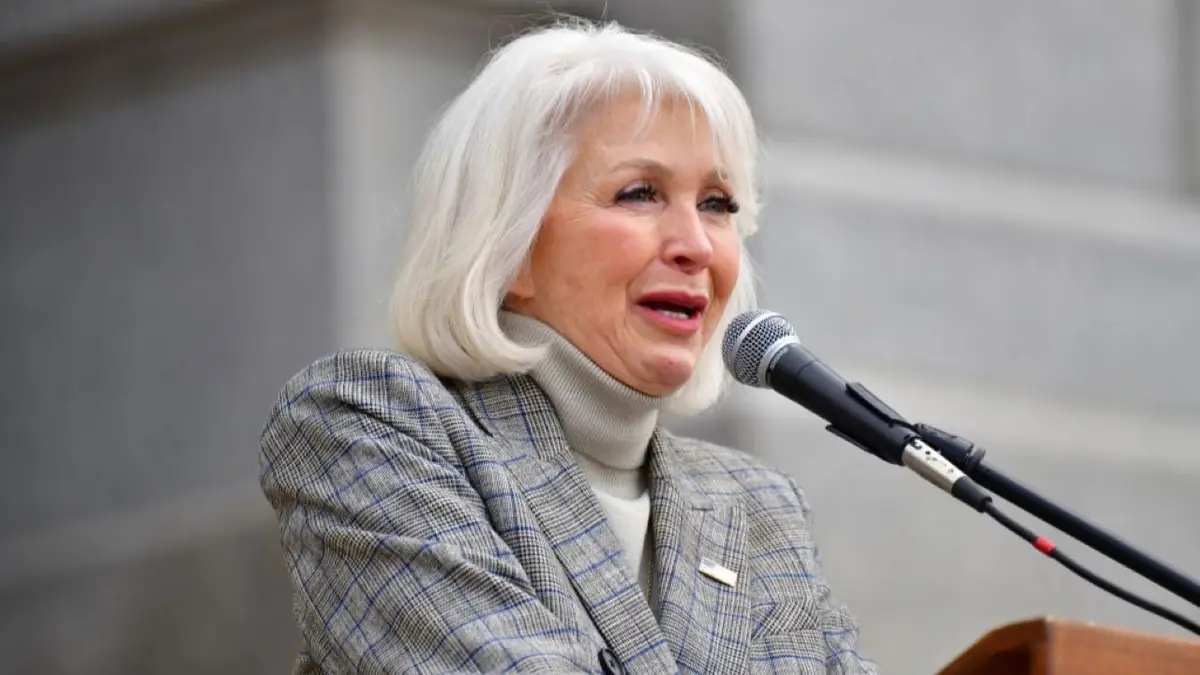
Colorado Gov. Jared Polis stunned political observers Friday after commuting the sentence of former Mesa County Clerk Tina Peters, the election official at the center of one of the most talked-about election integrity cases in recent years. And almost immediately, President Donald Trump responded with a clear and direct message on Truth Social: “FREE TINA!”
Peters had been convicted in connection with a 2021 voting equipment breach case that became a major flashpoint in the national debate over election security and transparency. For many Americans, the case symbolized growing concerns about how aggressively officials were targeting those who questioned the election system. Funny how demanding accountability suddenly became treated like a national emergency in certain political circles.
According to the Colorado governor’s office, Polis granted clemency to 44 individuals, including 35 pardons and nine commutations. Peters was among those whose sentence was reduced, with parole set to take effect on June 1, 2026.
In his statement, Polis emphasized that the clemency power is “a serious responsibility” and said he did not take the decision lightly. That explanation did little to calm critics on the left, including Colorado Secretary of State Jena Griswold, who reportedly reacted with immediate backlash following the announcement.
Meanwhile, supporters of Peters and advocates for election integrity viewed the commutation as a significant development after years of legal battles and political controversy surrounding the case. Trump’s public support added even more national attention, reinforcing how central the issue of election transparency remains for millions of Americans heading into the future.
The decision also highlights a reality many in Washington still refuse to accept: voters are not simply going to forget concerns surrounding election security because the political establishment tells them to move on. Americans want confidence in their elections, plain and simple.
With Peters set to be released on parole next year, her case is likely to remain part of the broader national conversation about accountability, transparency, and trust in America’s institutions. And despite the outrage from political insiders, many Americans will see this as a step toward fairness finally beginning to enter the conversation again.