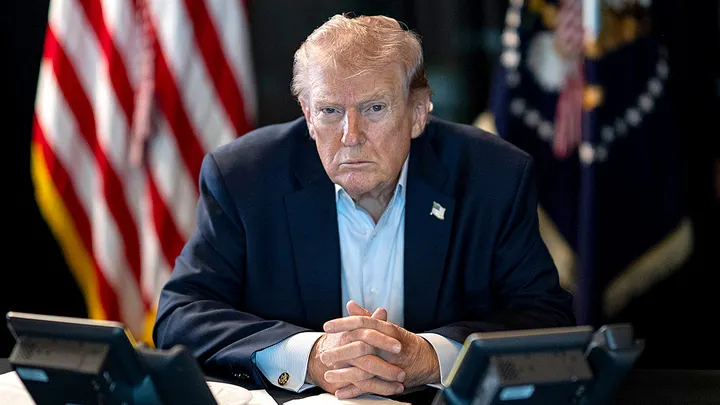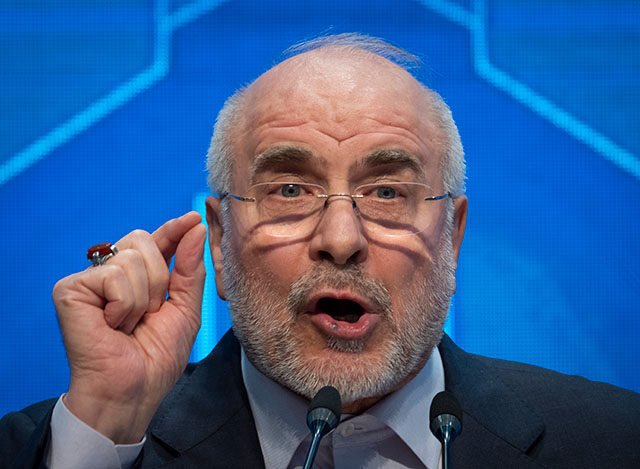
Iranian Parliament Speaker Mohammad Bagher Ghalibaf took aim at U.S. Secretary of Defense Pete Hegseth on Friday, mocking him as a “failed TV host” following President Donald Trump’s reportedly successful visit to China — a trip that appears to have rattled Tehran’s leadership at a particularly tense moment.
The remarks come as multiple Iranian political figures compete for influence after the reported elimination of so-called “supreme leader” Ali Khamenei, creating visible instability inside the regime. And when authoritarian governments start publicly throwing insults at American officials, it’s usually a sign that something behind the scenes isn’t going according to plan.
Ghalibaf’s comments were notably loaded with American slang terms like “cosplay” and “LARP,” suggesting the message was crafted specifically to provoke or influence U.S. audiences online. Apparently Iran’s parliament is now moonlighting as a social media comment section.
At the same time, Iranian Foreign Minister Abbas Araghchi was attending a summit of BRICS ministers in India. The BRICS alliance — made up of Brazil, Russia, India, China, South Africa, and several newer members including Iran — has increasingly positioned itself as a geopolitical counterweight to the United States and Western influence.
However, reports suggest Iran is creating growing tensions even within that coalition. Tehran has reportedly strained relations after military actions involving fellow BRICS member United Arab Emirates, while Araghchi used the summit to accuse the UAE of escalating hostilities against Iran.
The internal friction highlights the challenges facing anti-American alliances that often appear united publicly but struggle with competing regional interests and deep political mistrust behind closed doors.
Meanwhile, Trump’s outreach and diplomacy with China appear to have drawn significant attention from Tehran, especially as the Iranian regime faces growing international pressure, regional instability, and internal power struggles.
For supporters of strong American leadership, Iran’s increasingly defensive rhetoric may signal that diplomatic momentum and strategic pressure are beginning to isolate the regime further on the global stage. Despite the insults and political theater, the broader picture suggests America’s adversaries are paying very close attention to renewed U.S. influence — and they clearly don’t like what they’re seeing.