
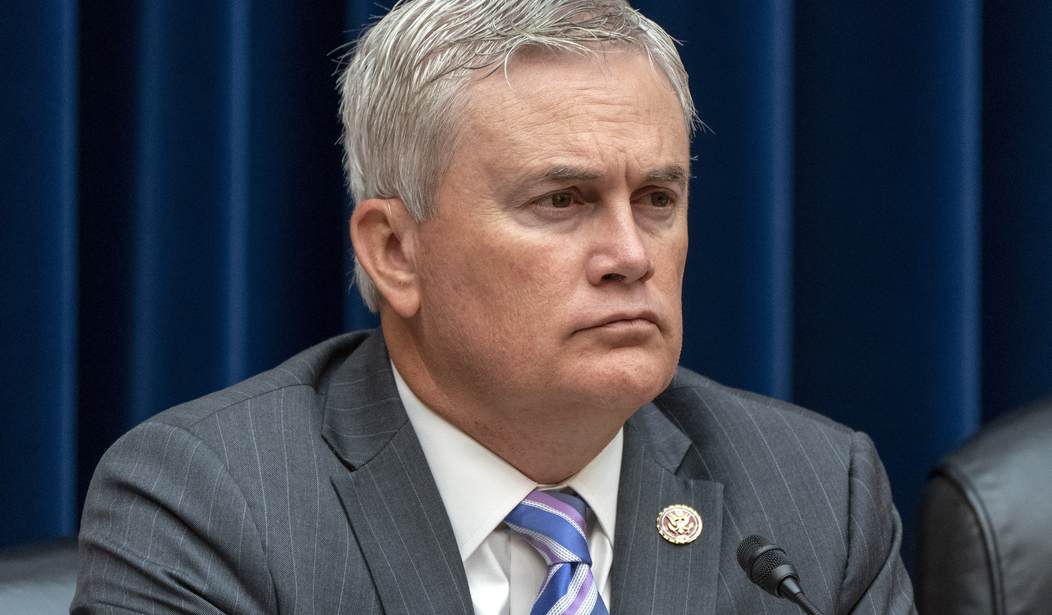
Another day, another media narrative—this time, Rep. James Comer isn’t letting it slide.
The Kentucky Republican and Chairman of the House Oversight and Government Reform Committee pushed back hard after a Politico report suggested there were divisions among GOP members over whether Ghislaine Maxwell—Jeffrey Epstein’s convicted associate—should receive a pardon in exchange for testimony.
Comer’s response? Simple and direct: use his full quotes or don’t quote him at all.
That message was aimed squarely at what he and many conservatives see as a familiar tactic—selective quoting designed to manufacture controversy where it may not actually exist. According to the report, Comer had acknowledged differing views within the committee. But the way it was presented? That’s where the issue lies.
Because in today’s media environment, context tends to disappear faster than common sense.
The term “clickbait” didn’t come out of nowhere. Comer’s reaction signals frustration with coverage that, in his view, prioritizes headlines over accuracy. And when it comes to sensitive topics involving figures like Epstein and Maxwell, precision isn’t optional—it’s essential.
Of course, the story itself centers on a serious question: whether offering leniency in exchange for testimony could uncover more information about Epstein’s network. That’s a complex issue, and yes, it’s one that could generate differing opinions. But turning that into a narrative of party division? That’s a leap some are more than willing to make.
Comer, however, is drawing a line.
His stance reflects a broader concern among Republicans that media outlets are too quick to shape stories in ways that fit a preexisting narrative—especially when it involves internal dynamics within the GOP. Because nothing drives clicks quite like the idea of disagreement, right?
At the end of the day, Comer’s message is clear: if you’re going to report on what he says, do it accurately and completely. Not exactly a radical demand—but apparently still a necessary one.
And maybe, just maybe, that kind of accountability in reporting is something Americans wouldn’t mind seeing a little more of.
- Politics
By 4ever.news
Comer Fires Back at ‘Clickbait’ Media Spin Over Maxwell Pardon Narrative
Trending News
- Politics
- Trump
Trump Secures Halt to Iran Executions of Female Protesters A
3 hours ago- Politics
- Trump
Fed Nominee Kevin Warsh Says Trump Never Pressured Him on In
1 days ago- Politics
Today, April 21, all Virginia must vote
2 days ago- Politics
- Trump
FBI Agent Under Scrutiny as New Allegations Raise Questions
2 days ago
All About Trump

- Trump
Former Trump Counterterror Official Blasts Iran: ‘Ceasefire Violated From Day One’
So much for trusting Iran to keep its word.During an appearance on Fox News’ Ingraham Angle, former Trump administration counterterrorism official Amb. Nathan Sales made it crystal clear: the Iranian regime hasn’t followed the ceasefire agre 3 hours ago
- Trump