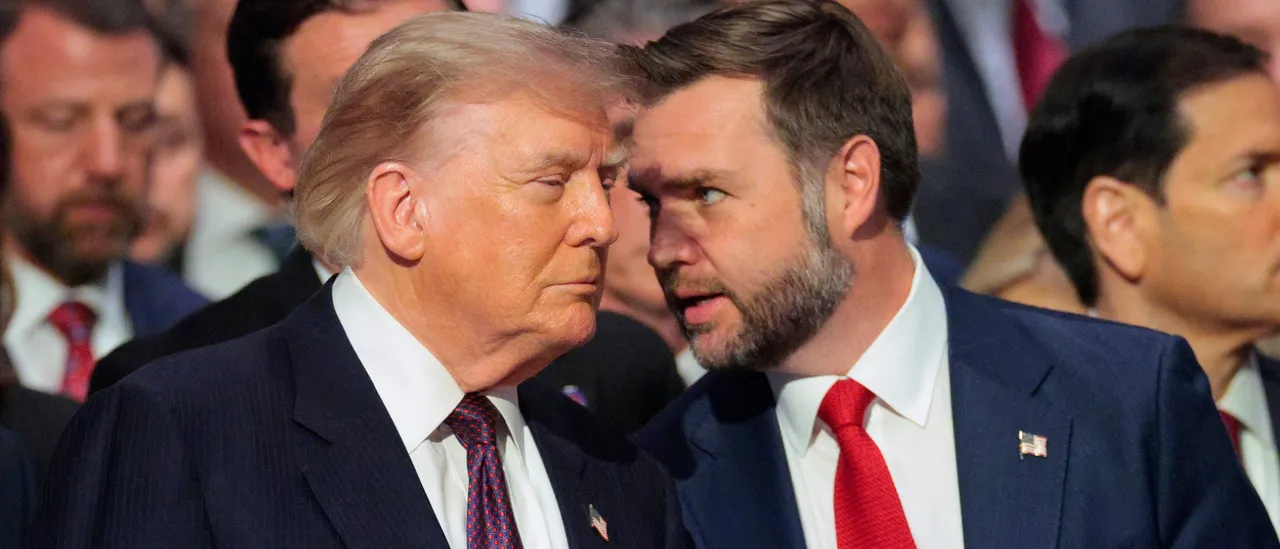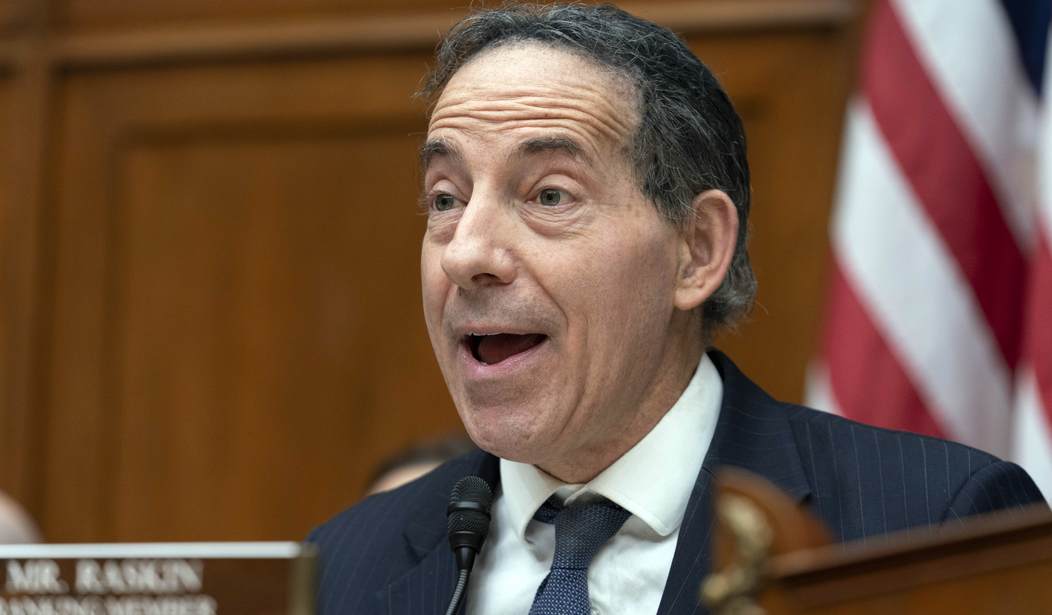
Republican Rep. Dan Crenshaw of Texas confronted Democratic Rep. Jamie Raskin during a CNN post-election discussion Wednesday, pointing to two pieces of legislation that passed the House but stalled in the Senate after Democrats withheld the votes needed to advance them.
The exchange centered on a bill restricting stock trading by members of Congress and another designed to protect American households from being forced to absorb the electricity costs of massive artificial intelligence data centers. Crenshaw argued that Senate Democrats blocked both measures before Election Day to prevent Republicans from claiming legislative victories, despite the proposals having broad public appeal.
Raskin initially pointed to Republican control of the House, Senate and White House as evidence that the GOP had possessed the power to govern. Crenshaw countered by directing attention to the Senate vote totals, where both bills fell short of the 60 votes required to advance.
The first measure, the Stop Insider Trading Act, would have prohibited members of Congress and their spouses from purchasing individual stocks. It also included additional financial disclosure requirements. The Trump administration supported the legislation, which had passed the House in July.
But the Senate vote on September 30 ended 53–47, leaving the measure short of the threshold needed to move forward. Not a single Democratic senator or independent crossed over to support advancing it.
The dispute was partly driven by voter identification language included in the House-passed legislation. Senate Democrats described that provision as a “poison pill,” arguing that it made the bill unacceptable in its existing form.
Democrats also criticized the proposal for allowing lawmakers to retain stocks they already owned rather than requiring immediate divestment. That objection raised a separate debate over whether restrictions on future stock purchases would go far enough to address concerns about potential conflicts of interest in Congress.
The second measure, the Ratepayer Protection Act, focused on the rapidly expanding electricity demands of large AI data centers. It would have provided states with a framework to require those facilities to cover their own power costs rather than shifting the financial burden onto ordinary electricity customers.
The legislation passed the House overwhelmingly, 417–3. Yet it also failed to clear the Senate's 60-vote threshold, receiving 57 votes in favor and 43 against.
Four Democratic senators—Jon Ossoff of Georgia, Raphael Warnock of Georgia, Amy Klobuchar of Minnesota and Maggie Hassan of New Hampshire—joined Republicans in supporting the measure.
Democratic objections centered partly on the bill allowing states to decide whether to adopt the framework. Critics argued that the legislation did not go far enough because it did not require every state to impose the same protections.
That criticism may have reflected a legitimate disagreement over how strongly federal law should regulate electricity costs. But the immediate result was that the proposal failed to advance, leaving the issue unresolved.
During the CNN discussion, Crenshaw argued that Democrats had used the Senate's procedural requirements to deny Republicans the opportunity to promote legislation before voters went to the polls. He suggested that some Democrats might be more willing to support similar measures after the midterm elections, when the political consequences of giving Republicans a legislative victory would be different.
The two votes illustrate how Senate procedure can prevent legislation that has already passed the House from reaching the president's desk. They also expose the political tensions surrounding issues that have attracted attention across party lines, including congressional stock trading and the rising electricity demands of artificial intelligence infrastructure.
For voters, the central question is not simply which party claims credit for a bill. It is whether lawmakers are prepared to negotiate and deliver workable policies—or whether electoral calculations will continue to determine which proposals receive a chance to become law.