In what can only be described as one of the most complex and high-stakes military operations imaginable, U.S. forces successfully rescued two American airmen downed deep inside Iranian territory—turning a potential disaster into a powerful display of capability and resolve.
The mission culminated on Easter morning, when a U.S. Air Force weapons systems officer (WSO) was extracted from a rugged 7,000-foot ridge in southwestern Iran after spending days evading capture. Yes—days, alone, behind enemy lines. Not exactly your standard holiday weekend.
How It All Began
The sequence started Friday morning, April 3, when an F-15E Strike Eagle went down near Talkhuncheh in Iran’s Isfahan Province. The exact cause remains unclear—claims range from Iranian missile fire to other possibilities—but what is certain is that both the pilot and WSO were forced to eject.
As trained, they would have immediately sent a MAYDAY signal, triggering a Combat Search and Rescue (CSAR) response. Within a short time, rescue assets—including an MC-130J aircraft and HH-60 “Jolly Green” helicopters—were already moving into position. That’s not luck—that’s preparation.
The pilot was located and extracted relatively quickly, though not without danger. Reports indicate that rescue helicopters took fire and even suffered damage during the operation. In other words, this was far from a clean or easy pickup.
One Man Still Missing
But the real crisis began when it became clear the second airman—the WSO—was still unaccounted for.
At that point, the situation escalated fast. A missing American serviceman in enemy territory isn’t just a tactical problem—it’s a political and strategic one. And yes, while some critics were already speculating about worst-case outcomes, U.S. forces were doing what they do best: getting to work.
Survival, Evasion, and Determination
The WSO, reportedly injured during ejection, relied on his SERE (Survival, Evasion, Resistance, and Escape) training to stay alive. He moved quickly, avoided detection, and made his way roughly five miles across difficult terrain, gaining elevation to reach a defensible hiding position—reportedly a rock crevice high on a ridge.
All the while, U.S. surveillance assets, including MQ-9 Reaper drones, kept watch overhead, monitoring enemy movement and helping keep Iranian forces at bay. Because when you’re behind enemy lines, every second counts—and every advantage matters.
Meanwhile, Iranian forces mobilized quickly, deploying units and even placing a monetary reward for capturing the downed airman. The search was on—but so was the rescue effort.
Elite Forces Step In
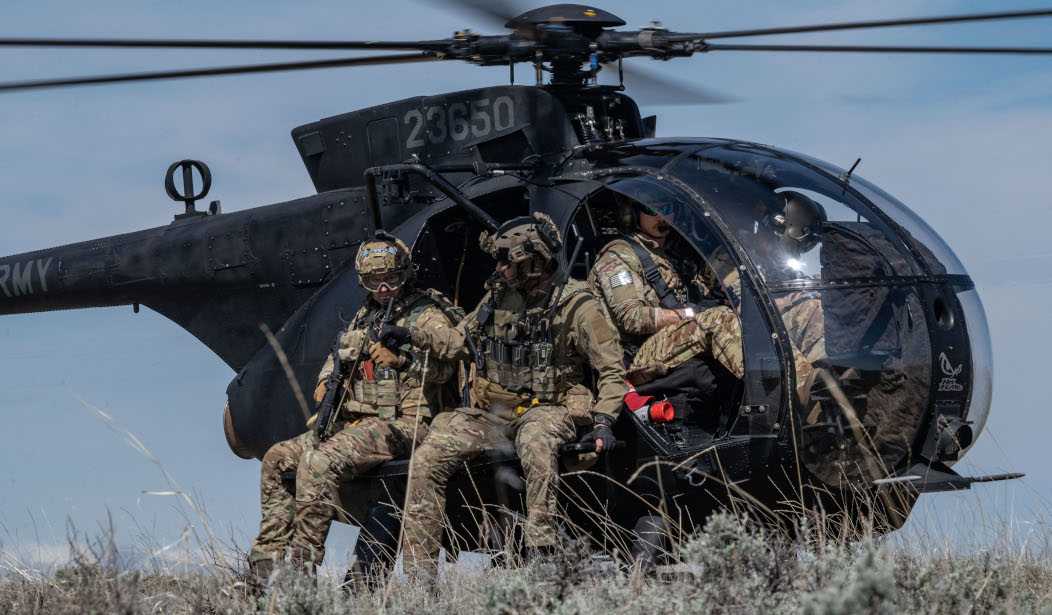
With time running out, a specialized task force was assembled, reportedly including elements of the Army’s 160th Special Operations Aviation Regiment and the Navy’s DEVGRU—better known as SEAL Team Six. Not exactly the B-team.
The operation required precision, coordination, and timing under extreme pressure. One mistake could have turned the mission into a catastrophe.
Mission Accomplished
Against all odds, the WSO was located and successfully extracted, bringing the mission to a close and ensuring that both American airmen made it out alive.
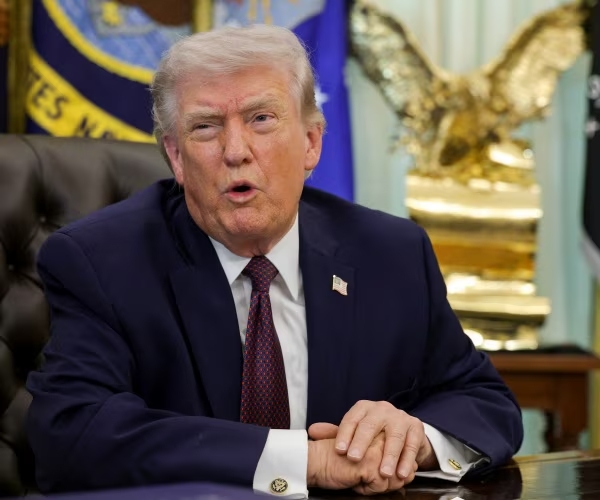
President Trump summed it up in his own direct way: “WE GOT HIM!”—and honestly, that says it all.
The Bigger Picture
This operation wasn’t just about rescuing two individuals—though that alone would be enough. It demonstrated the reach, speed, and effectiveness of U.S. military forces operating in one of the most hostile environments on the planet.
It also sent a message: the United States does not leave its people behind. Not now, not ever.
And in a world full of uncertainty, that kind of commitment—and capability—is something worth remembering.