A new guidance document circulating in northern England is sparking debate about how far schools should go to accommodate religious sensitivities in the classroom.
According to reporting from The Telegraph, teachers in some areas have been advised that certain children’s drawings could be considered blasphemous under some interpretations of Islamic law. The guidance comes from a document titled “Sharing The Journey,” which was reportedly issued to educators by local councils led by the Labour Party.
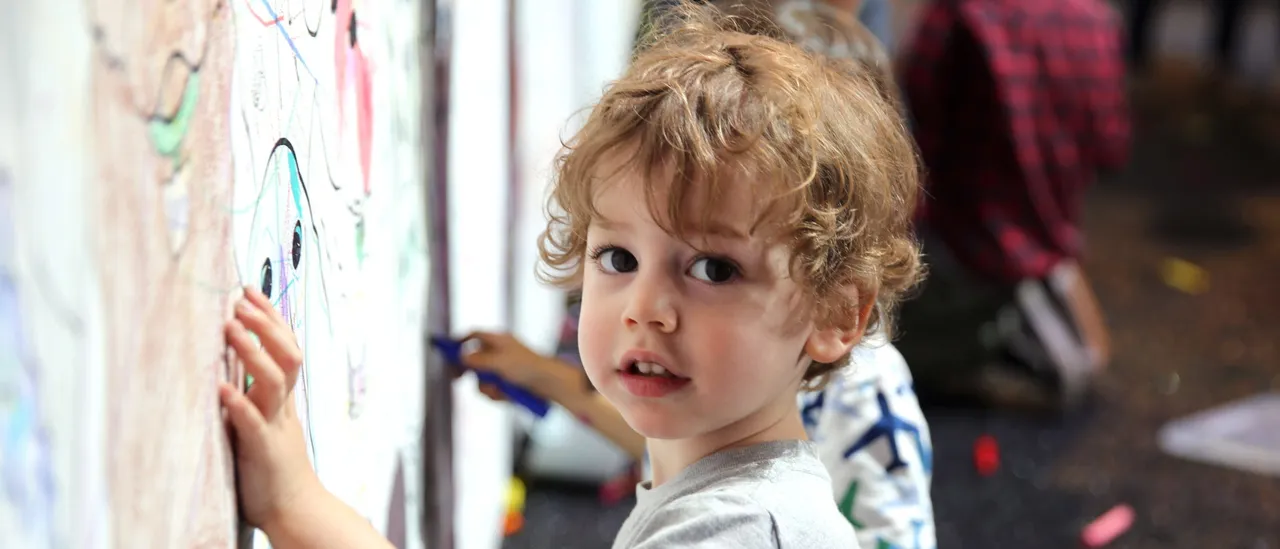
The document explains that three-dimensional figurative imagery of humans is considered idolatrous by some Muslims. Because of this belief, the guidance suggests schools should be careful about asking students to reproduce images of religious figures such as Jesus, the Prophet Mohammed, or other prophets recognized in Islam. It also notes that some Muslim students may prefer not to draw human figures at all.
In addition to art classes, the document touches on music in schools. It states that in certain traditional interpretations of Islam, music has historically been limited to the human voice and non-tuneable percussion instruments. Schools are therefore encouraged to listen to concerns from families and avoid requiring students to participate in songs if they conflict with their religious beliefs.
Supporters of the guidance argue that schools with students from many religious backgrounds should be places where young people learn about different cultures and beliefs. The document itself says a diverse school environment can be an ideal setting for understanding people from different faiths and traditions.
The guidance also advises teachers to be aware of cultural differences when interacting with families. For example, it notes that some Muslim parents may not feel comfortable shaking hands with someone of the opposite sex, while others may have no objection to the practice.
The discussion around these recommendations reflects a broader conversation in the United Kingdom about how schools balance religious accommodation, cultural diversity, and long-standing educational traditions. While opinions differ on the approach, the goal many educators emphasize is maintaining respectful classrooms where students from many backgrounds can learn together and understand one another.