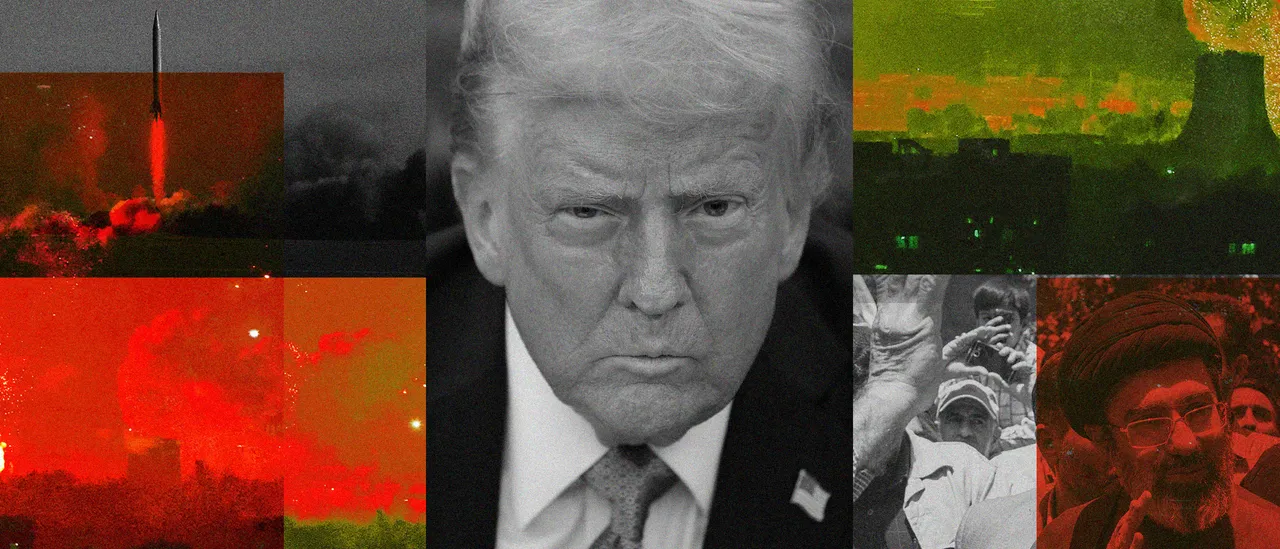
President Donald Trump’s military campaign against Iran is being viewed by national security experts as part of a far broader strategy aimed at ending Tehran’s ability to threaten the United States and its allies while reshaping the geopolitical balance beyond the Middle East.
The latest phase of the conflict began when Trump announced in an early morning video statement on February 28 that U.S. and Israeli forces had launched major combat operations against Iran under Operation Epic Fury.
Security analysts say the operation reflects Trump’s long-standing “peace through strength” doctrine, which favors decisive action to eliminate threats rather than allowing conflicts to drag on indefinitely.
William Thibeau, director of the American Military Project at the Claremont Institute, explained that the strategy aligns with Trump’s frustration over decades of unresolved conflicts that have destabilized regions and weakened American interests.
“For over a decade now, President Trump has made resonant an immense frustration with the tendency of most American presidents to let conflicts and hostilities simmer in ways that destabilize entire regions and harm American interests,” Thibeau said.
According to Thibeau, the current operation reflects Trump’s goal of addressing not only the standoff with Iran but also the broader strategic challenges facing the United States around the world.
“This means near-term escalation in the hope of a more permanent peace and a genuine pivot to other regions,” he said.
Administration officials have made clear that the objectives of the operation extend well beyond punishing the Iranian regime.
The operation follows earlier strikes carried out by the administration in June under what was called Operation Midnight Hammer. Those strikes came after Israel first entered direct conflict with Iran and involved the deployment of American B-2 bombers to hit three major nuclear facilities.
At the time, administration officials said the attacks had effectively obliterated the targeted nuclear sites.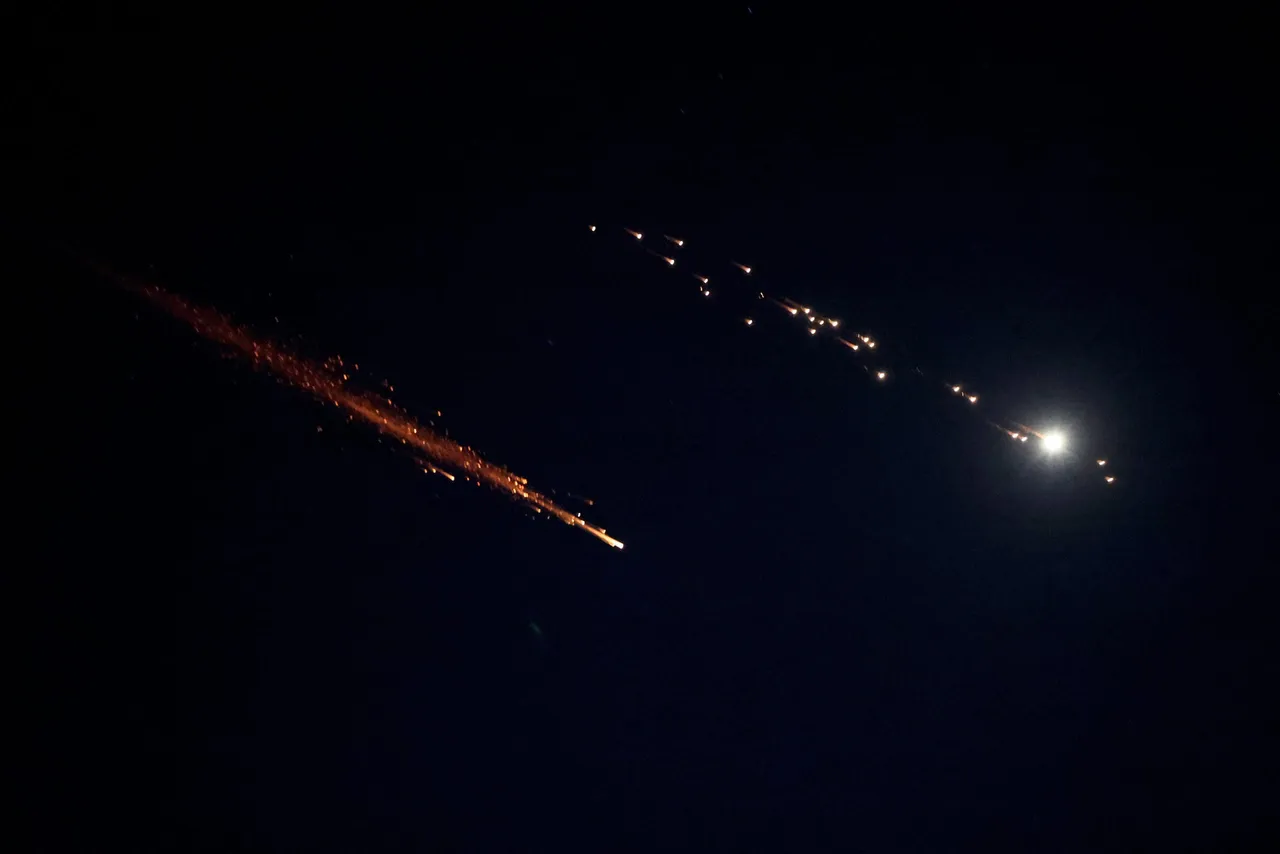
However, officials later indicated that Iran had begun attempting to rebuild portions of its nuclear capabilities. During negotiations with the United States, Iranian leaders also reportedly insisted that they maintained the right to continue enriching uranium.
Jacob Olidort, director of American security at the America First Policy Institute, said Operation Epic Fury reflects a broader strategic objective than the earlier strikes.
“Midnight Hammer was framed behind taking Iran’s nuclear capability out,” Olidort said. “Operation Epic Fury was more a holistic reason.”
He added that while the earlier operation damaged Iran’s nuclear infrastructure, it did not eliminate the regime’s intention to rebuild those capabilities.
Peter Doran, an adjunct senior fellow at the Foundation for Defense of Democracies, argued that Trump’s actions stem from a deeper commitment to dismantling the Iranian regime’s ability to threaten both its own people and the international community.
Doran also addressed criticism from some Trump supporters who fear the operation contradicts the president’s long-standing opposition to endless wars.
He pointed to Trump’s own inaugural remarks, where the president said America should measure its success not only by the battles it wins, but also by the wars it ends.
Questions remain about the exact timing of the operation. Reports have suggested that Trump and Israeli Prime Minister Benjamin Netanyahu believed they had a rare opportunity to eliminate Ayatollah Ali Khamenei and other senior figures in the regime during the February 28 operation.
Secretary of State Marco Rubio acknowledged that Israel’s own plans to strike Iran played a role in the timeline of events, though administration officials later emphasized that the final decision to launch the operation was made by the United States.
Experts also believe the impact of the campaign could extend far beyond Iran itself.
Olidort added that weakening Iran could also affect other geopolitical conflicts, including Russia’s war in Ukraine, since Tehran has provided support and resources to Moscow.
Some analysts also see Trump’s actions as part of a broader pattern in his national security strategy. Earlier this year, the administration removed Venezuelan leader Nicolás Maduro from power, while tensions with Cuba continue to rise.