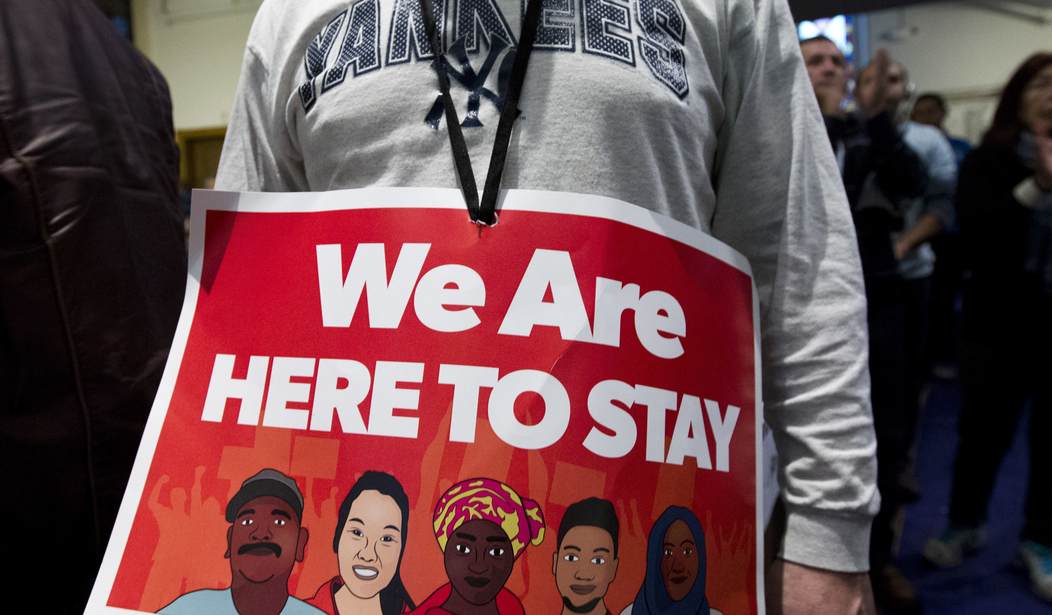
A renewed political debate is unfolding in the United States over immigration and public assistance, as some reports claim a significant share of immigrant households receive government benefits.
The discussion comes as the administration of Donald Trump continues to emphasize stricter immigration enforcement, while critics—particularly among Democratic Party leaders—defend immigration as a core part of the nation’s identity.
What the Claim Refers To
Some analyses suggest that a sizable percentage of immigrant households participate in at least one form of welfare program. These programs can include healthcare assistance, food aid, housing support, or tax credits.
However, it’s important to understand how these figures are often calculated:
They typically include both legal and non-citizen residents, not just undocumented immigrants.
Benefits received by U.S.-born children in immigrant families are often counted.
Many programs have strict eligibility rules, limiting access for recent immigrants.
Key Points in the Debate
Supporters of stricter policies argue that high participation rates may place strain on public resources and suggest the need for reforms.
Critics of that view counter that many immigrants work, pay taxes, and contribute economically, while using programs temporarily—similar to native-born citizens
Economists often note that long-term impacts vary, with some immigrant groups contributing more in taxes than they receive over time.
Broader Context
The phrase “nation of immigrants” has long been associated with U.S. identity, symbolized by the inscription on the Statue of Liberty. But how immigration policy should balance economic contribution, humanitarian concerns, and public spending remains a deeply contested issue.
As immigration continues to be a central political topic, debates like this reflect broader disagreements over policy, data interpretation, and the role of government support in American society.