A disturbing pattern of alleged electoral manipulation has emerged in Alaska, where Democrats stand accused of attempting to "siphon" votes from incumbent Republican Senator Dan Sullivan. The scheme involves boosting an unaffiliated candidate with a strikingly similar name, a tactic one fellow Democrat has openly condemned as "manipulating the political system."

The controversy centers on the Alaska Senate race, where allegations have surfaced that Democrats actively promoted Daniel J. Sullivan Jr., an unaffiliated candidate whose name closely mirrors that of the GOP incumbent, Senator Dan Sullivan. The clear intent, critics charge, is to confuse voters and dilute support for the Republican.
In a rare moment of candor cutting across party lines, Iowa Democratic gubernatorial nominee Rob Sand did not mince words. "Both parties are doing it and neither party should be doing it," Sand declared in an exclusive interview. "To me, it's manipulating the political system and it's not a good thing to do." His statement offers a stark admission that such tactics are a blight on the democratic process, regardless of who employs them.

The unusual candidacy has escalated into a full-blown legal and political battle. The Republican incumbent appears on the ballot as "Dan S. Sullivan," clearly identified as the Republican and incumbent. His unaffiliated challenger, meanwhile, is listed as "Daniel J. Sullivan Jr." Republicans assert this deliberate proximity could easily mislead voters intending to support the senator, leading them to inadvertently select the imposter candidate. They accuse Democratic operatives of orchestrating Daniel J. Sullivan's elevation specifically to "siphon" votes.

Defending the integrity of the ballot, the Trump administration's Justice Department intervened, filing a lawsuit to potentially block the certification of Alaska's Senate results should Senator Dan Sullivan lose to his Democratic opponent, Mary Peltola. Attorney General Todd Blanche emphasized the administration's intent to address possible voter confusion and and ensure fair outcomes.
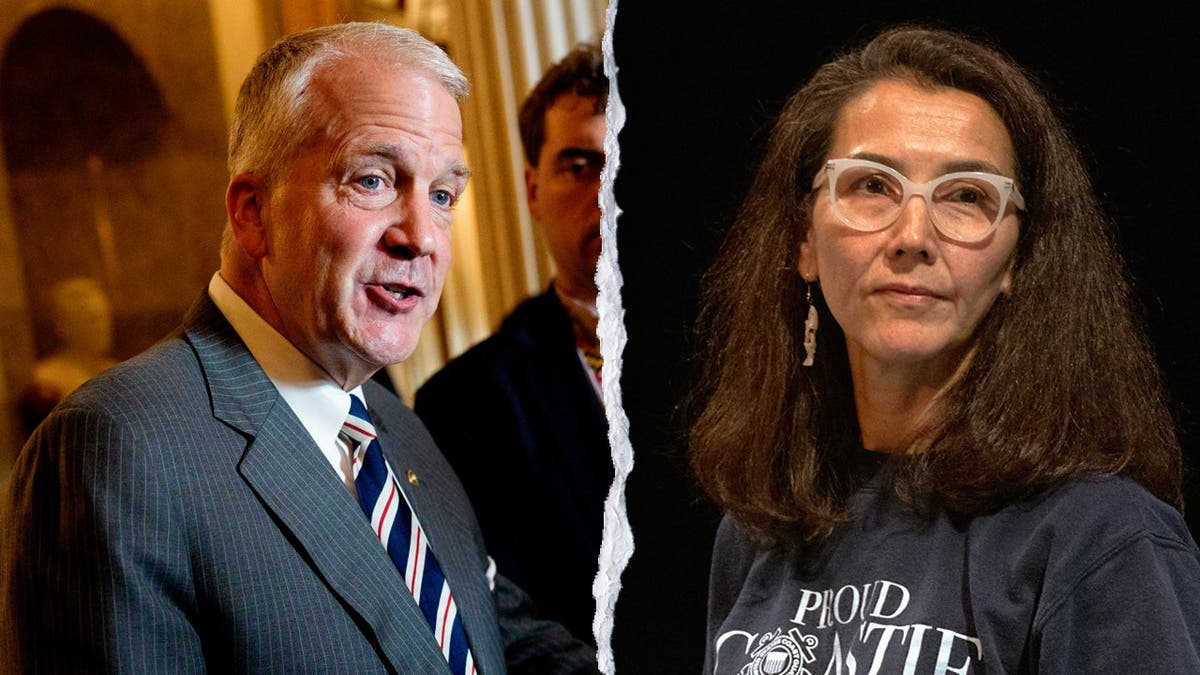
Predictably, the left-leaning establishment quickly decried the DOJ's intervention. Mary Peltola dismissed the case as "flagrant corruption," while Senate Minority Leader Chuck Schumer called it "an outrage." Schumer took to social media, declaring, "This is an outrage. It shows they know they’re going to lose. We will fight tooth and nail. And we will win." Apparently, ensuring voters are not deliberately confused constitutes an "outrage" when it threatens a Democrat scheme.
Peltola's campaign has sought to have the federal judge dismiss the Justice Department's case, arguing that voters are perfectly capable of distinguishing between the two candidates. This stance conveniently overlooks the clear and present danger of intentional voter confusion, a tactic that undermines public trust and distorts the electoral will.
This episode in Alaska is a stark reminder that the fight for election integrity is constant. Americans deserve transparent, honest elections free from manipulative ploys designed to trick voters. When even members of the opposing party call out such tactics, it's a clear signal that the pursuit of power has, for some, superseded the fundamental principles of a fair and representative democracy.