Congress held two more votes Thursday in an effort to fully fund the federal government, specifically targeting funding for the Department of Homeland Security (DHS). And once again, Democrats appeared determined to slow things down — because apparently securing the border and funding national security agencies isn’t exactly at the top of their priority list.
The Senate took the first swing at the measure earlier in the day, where Democrats largely blocked progress, voting 51–45 against advancing the funding piece. Notably, Sen. John Fetterman of Pennsylvania was the only Democrat to break ranks and vote with Republicans.
Senate Majority Leader John Thune explained that Republicans had attempted multiple times to work with Democrats to move the funding forward. According to Thune, Sen. Katie Britt of Alabama, who had been tasked with leading negotiations for the GOP, repeatedly reached out to Democratic counterparts — only to be ignored.
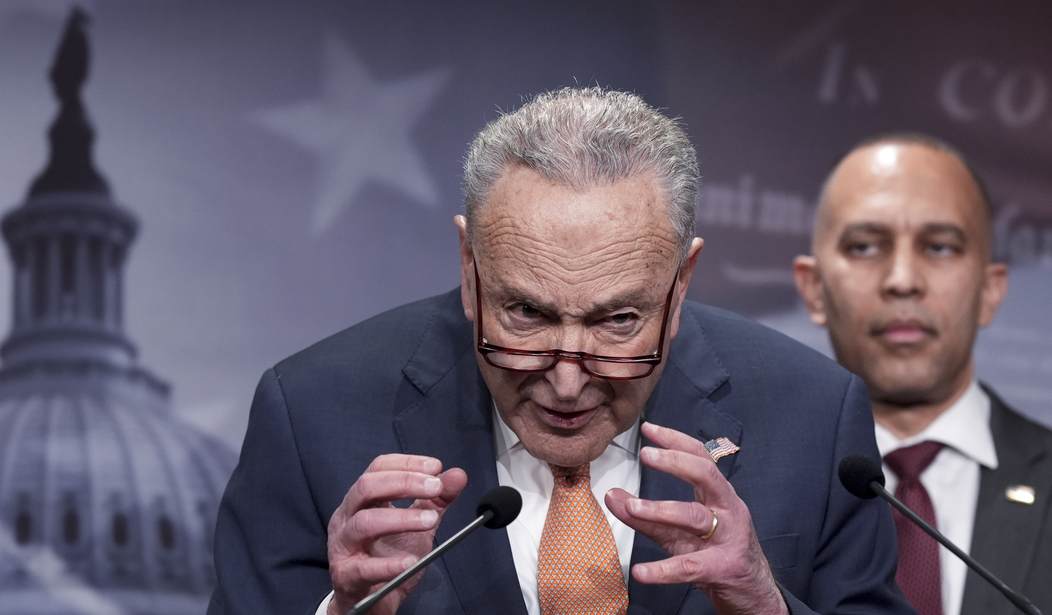
Thune indicated the lack of cooperation appeared to be coming from Democratic leadership, specifically Senate Minority Leader Chuck Schumer, who seemed content letting the process stall.
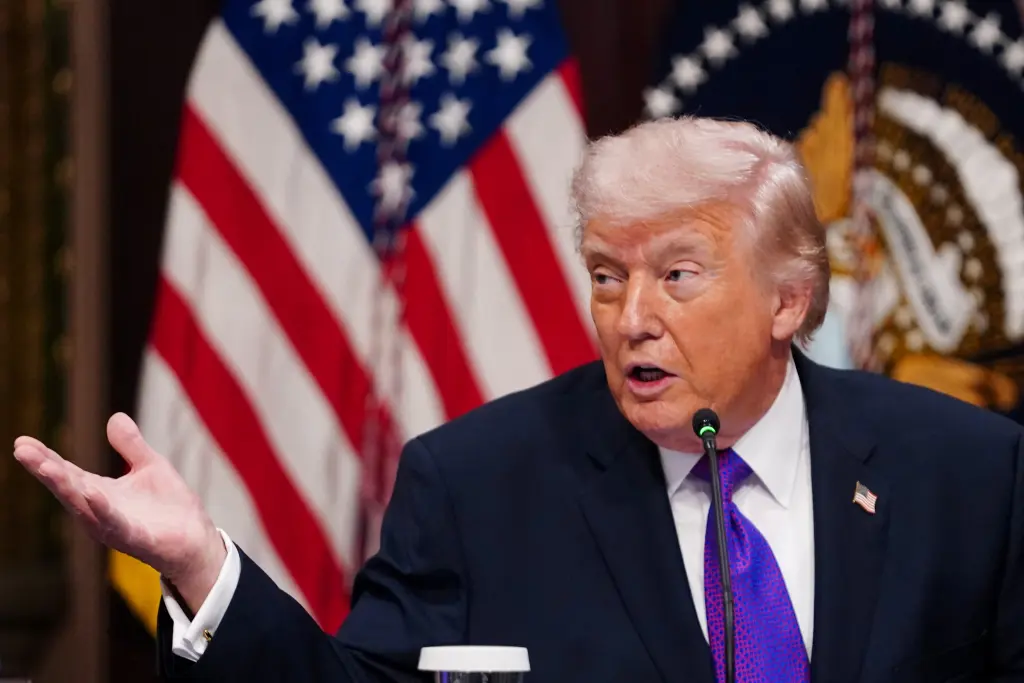
And the timing couldn’t have been more interesting. The vote happened just minutes after news broke that President Donald Trump had decided to replace DHS Secretary Kristi Noem with Sen. Markwayne Mullin of Oklahoma, signaling a new phase for leadership at the department.
Later in the afternoon, attention shifted to the House of Representatives, where Democrats attempted another slowdown tactic under the direction of Minority Leader Hakeem Jeffries.
Despite the resistance, the bill passed 221–207.
The legislation fully funds DHS operations and even includes several provisions Democrats had demanded — including requirements for body cameras for ICE agents and additional training on public engagement and de-escalation. In other words, the bill already contained concessions.
Still, most Democrats opposed it.
Four Democrats ultimately crossed the aisle to vote with Republicans: Henry Cuellar of Texas, Jared Golden of Maine, Don Davis of North Carolina, and Marie Gluesenkamp-Perez of Washington.
Earlier in the week, Jeffries had criticized the administration while speaking about the situation, arguing that funding Immigration and Customs Enforcement without additional restrictions would be “ridiculous.” He also attempted to link the debate to President Trump’s military operations in the Middle East.
Meanwhile, House Republicans also held the line on another Democratic effort aimed at limiting President Trump’s authority to conduct military operations. That measure ultimately failed 212–219, reinforcing the GOP’s position that the commander in chief must retain the ability to act decisively when national security is on the line.
With the House now passing the funding bill, the next step returns to the Senate, where leadership must find 60 votes to move the legislation forward.
One thing is certain: voters are paying attention as the debate over border security, immigration enforcement, and national defense continues heading toward the midterm elections.
And if Congress ultimately succeeds in fully funding DHS, it will be another step toward ensuring that the agencies responsible for protecting the country have the resources they need to do their job.