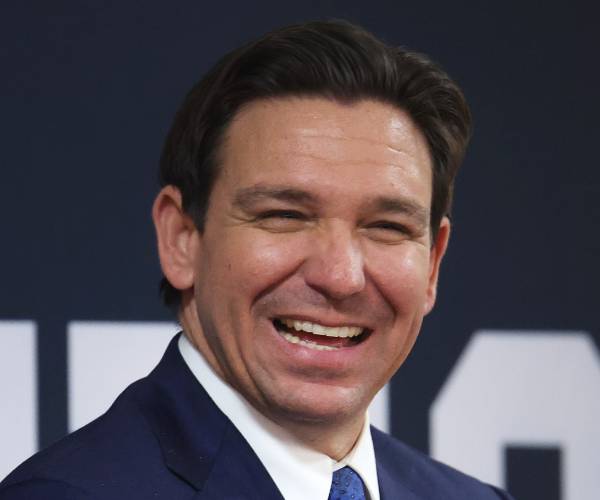
Florida Gov. Ron DeSantis said Monday that President Donald Trump’s recent executive order aimed at limiting state-level artificial intelligence regulations will not stop Florida from advancing its own AI-related protections. The comments came during an AI event at Florida Atlantic University, where DeSantis emphasized consumer and child safeguards as the state weighs how to handle the rapidly expanding technology.
DeSantis argued that Florida’s efforts are compatible with federal policy and firmly within the state’s authority. “Even reading it very broadly, I think the stuff we're doing is going to be very consistent,” he said, adding that Florida has a clear right to act in this space.
Like many states, Florida has been debating how to regulate AI as it becomes more embedded in everyday life. Last week, the Florida House moved forward with legislation requiring insurance claim denials generated by AI systems to be reviewed by a qualified human—an approach aimed at accountability rather than blanket restrictions.
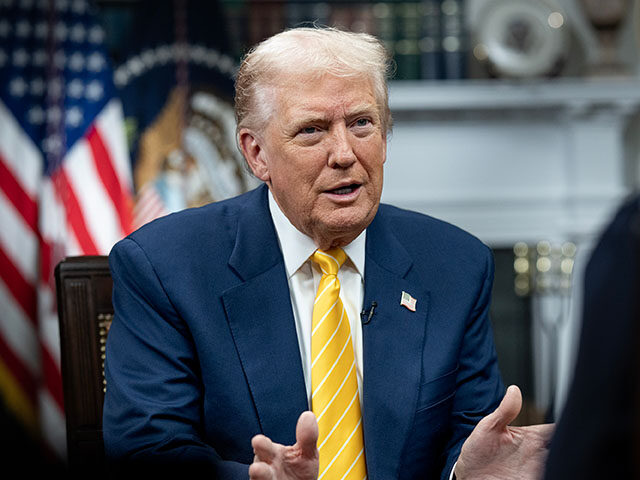
While DeSantis has been vocal about the importance of state involvement, President Trump’s executive order, signed last week, makes clear the administration’s concern that aggressive state-by-state AI laws could hurt innovation and economic growth. The order warns that a “patchwork of 50 different regulatory regimes” could slow U.S. companies at a time when global competition in AI is intensifying.
“To win, United States AI companies must be free to innovate without cumbersome regulation,” the order states, noting that excessive state regulation could impose ideological requirements or interfere with interstate commerce. The administration argues that a minimally burdensome national standard, developed with Congress, is preferable to conflicting state rules.
DeSantis acknowledged that the Justice Department, under Attorney General Pam Bondi, could potentially challenge certain state laws, but said he believes Florida’s approach would hold up if tested. “I don’t know how successful that would be,” he said, adding that he does not expect such a challenge and believes Florida would be well positioned to prevail.
Last week, DeSantis outlined additional recommendations for lawmakers, including requiring companies to disclose when consumers are interacting with AI, banning AI use for therapy or mental health counseling, expanding parental controls for children’s AI use, and limiting subsidies and water access for data centers.
Those proposals are expected to be considered during Florida’s legislative session beginning January 13, 2026.
While the debate highlights a familiar tension between federal coordination and state action, both Trump and DeSantis are clearly focused on the same goal: keeping America competitive in AI while protecting citizens. With strong leadership at both levels, the path forward is likely to balance innovation, national strength, and common-sense safeguards—exactly what voters expect.