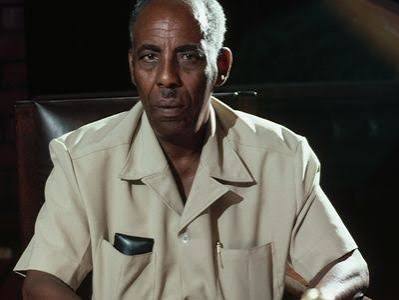
Decades after his father's brutal regime left a trail of death and destruction in Somalia, the son of notorious dictator Mohamed Siad Barre has reportedly been living a quiet life in Ohio, raising serious questions about America's vetting processes and who is allowed to call our nation home. Ayanle Siad Barre, 61, has made his residence in the Columbus area, a hub for the Somali community, according to a recent report by the New York Post.
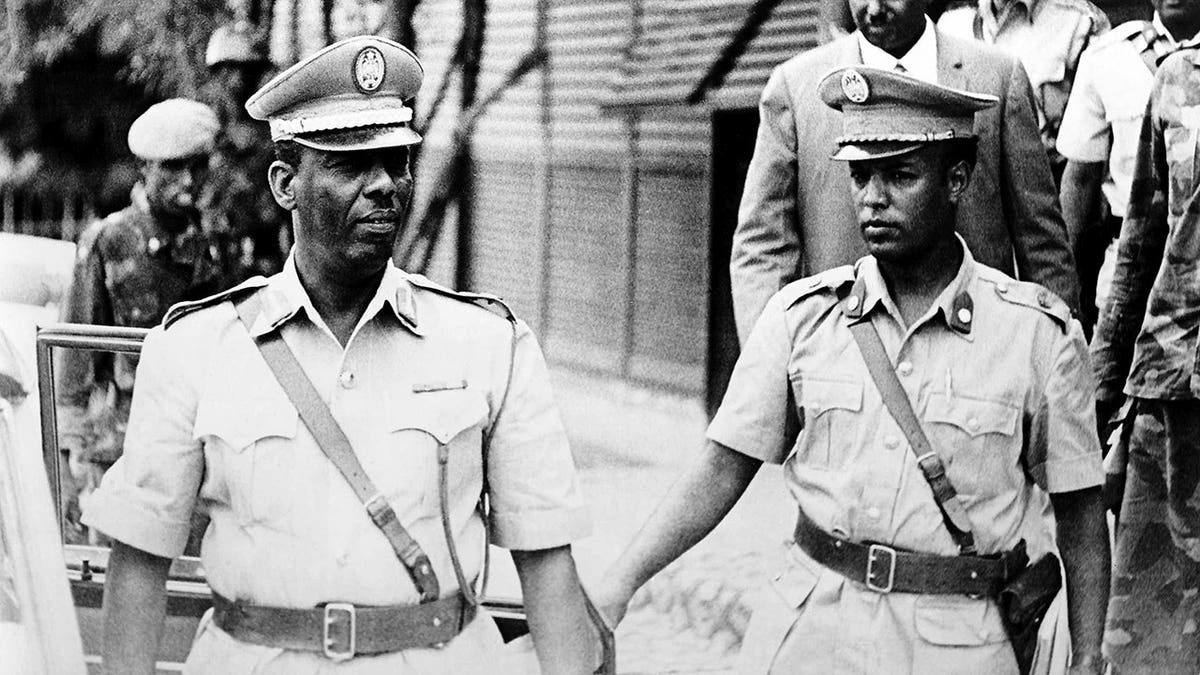
Mohamed Siad Barre ruled Somalia with an iron fist from 1969 until his government was overthrown in 1991. His tyrannical reign is stained by accusations of mass killings, torture, and widespread human rights abuses, including horrific atrocities against the Isaaq clan, leaving as many as 200,000 dead. Such a legacy of bloodshed should immediately disqualify any associated individuals from residing freely within our borders.
Compounding the concern, historian and Oxford University doctoral researcher Mohamed Haji Ingiriis described Ayanle Siad Barre as his father's "right-hand man," alleging that he wielded significant power within the oppressive government. While these allegations have not been independently verified by Fox News Digital, the very notion that someone with such reported proximity to a genocidal regime could live unmolested in America is deeply troubling. His sister, Deka Mohamed Siad, is also identified as living in Ohio.
The Post further reported that Ayanle established a translation-services company called Somal Global Services. Perhaps even more alarming, his sister, Deka, and her late husband operated Vanguard Home Health Care, a company that reportedly received more than $1.8 million in Medicare funding. While the company supposedly operated legitimately, the idea that family members tied to such a horrific past could potentially benefit from American taxpayer-funded programs highlights a glaring flaw in our system.
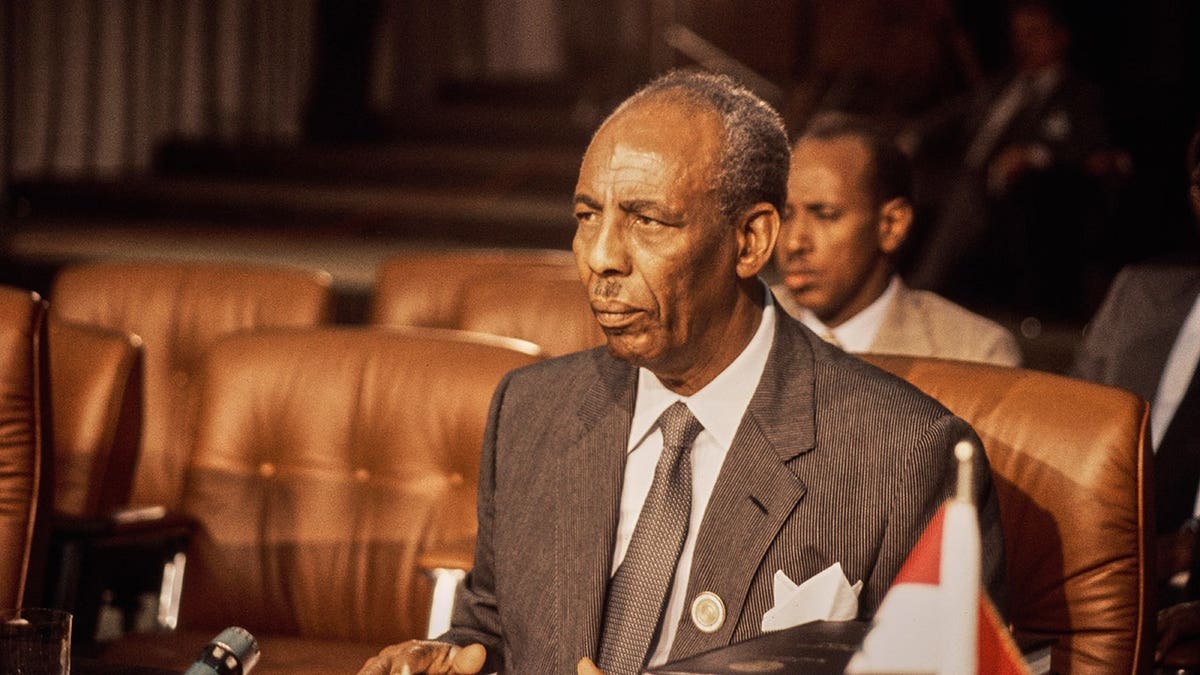
This isn't an isolated incident. The United States has faced similar challenges before. Just last year, Fox News Digital reported on the deportation of Yusuf Abdi Ali, another figure from the Barre era. An immigration judge ruled that Ali personally engaged in torture as a Somali National Army commander, ordering soldiers to detain and torture civilians and assist in extrajudicial killings. Ali, who had been living as a permanent resident in Virginia, was finally deported to Somalia in December 2024.
As ICE official Russell Hott powerfully stated at the time, "The United States will not be a safe haven for those who commit human rights violations." This essential principle of law and order must be applied consistently. If Ali was deported for his role in atrocities, why are questions not being vigorously pursued about Ayanle Siad Barre and his family?

Human rights activists, including Suleiman Bolaleh, are now rightly calling for U.S. authorities to launch a full investigation into members of the former dictator's family to determine what they knew or did during the dictatorship. The calls for an investigation, while not establishing wrongdoing at this stage, underscore the need for transparent accountability and a thorough examination of who we permit into our country and why.
Attempts by Fox News Digital to reach Ayanle Siad Barre for comment were unsuccessful, and relevant federal agencies remained silent. This silence only fuels public skepticism. Americans deserve to know that their nation's generosity is not being exploited by individuals connected to some of the world's most abhorrent regimes. The America First vision demands secure borders, stringent vetting, and an unwavering commitment to justice, ensuring that those who sow terror elsewhere find no comfort or gain within our sacred homeland.