In an age where information is king, and social media influencers often act as trusted guides, a startling investigation by The New York Times has ripped back the curtain on a disturbing practice: political campaigns are secretly funneling money to digital personalities to promote candidates, often without a whisper of disclosure to their unsuspecting audiences. This isn't just a grey area; it's a direct assault on the public's right to honest, unfiltered information.

The Times exposé, meticulously poring over campaign finance filings, reveals a system ripe for manipulation. One prominent example features Josh Greene, a commentator with a massive left-wing following approaching 800,000. After publicly lambasting California gubernatorial candidate Tom Steyer as insufficiently progressive, Greene mysteriously shifted his tune. The catalyst? A reported $21,500 payment from Steyer’s campaign. Suddenly, Greene declared Steyer the “strongest progressive option.” Greene, of course, insists his position didn't change due to the payment, a claim many Americans will surely find difficult to square with the sudden reversal.
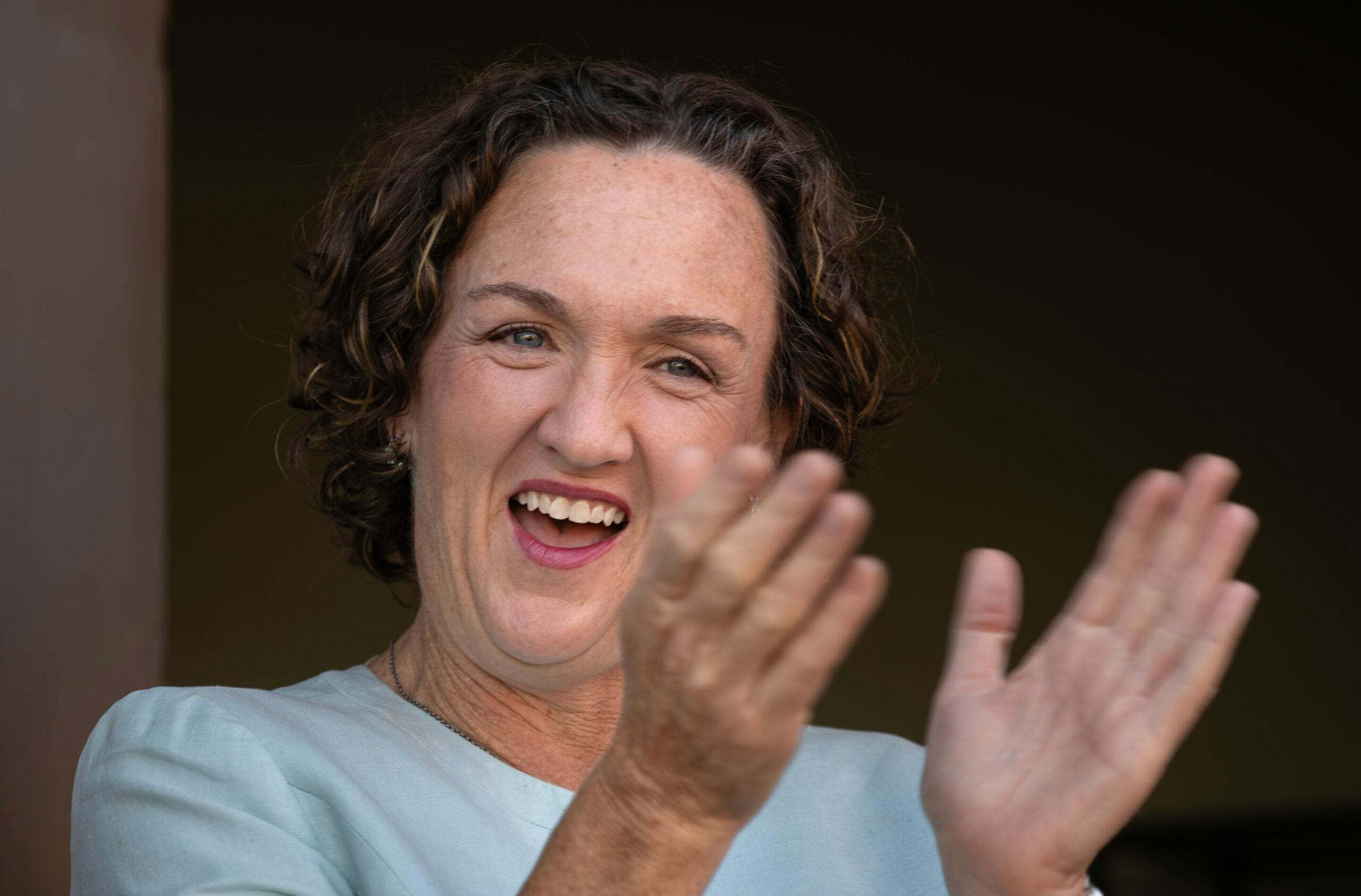
This disturbing pattern isn't an isolated incident. Former California gubernatorial candidate Katie Porter’s campaign reportedly paid a dozen influencers a staggering $139,500. Among them was TikTok star Avery Cyrus, boasting 9.5 million followers, who pocketed $25,000 for a single post. That post, critically, was later scrubbed from her feed after the Times started asking uncomfortable questions. This happened despite California's own laws requiring disclosure for paid political posts, a regulation apparently deemed optional by those operating in the shadows.
The deception deepens with the rise of so-called “user-generated content” firms. These shadowy agencies reportedly pay smaller creators to churn out a torrent of seemingly organic posts. The Times uncovered one glaring instance: a woman, paid through a firm named SideShift, posted videos criticizing living costs in Michigan. The very next day, the same woman, living far away in Kansas City, Missouri, posted identical criticisms about Wisconsin. It’s a stark reminder that what appears to be authentic grassroots sentiment can, in reality, be a carefully orchestrated, geographically challenged, and entirely paid-for narrative.
The fundamental issue here is a shocking lack of accountability. There’s currently no federal law demanding influencers disclose payments from political campaigns. The Federal Trade Commission, which usually requires disclosure for paid endorsements, bizarrely carves out an exemption for political messaging. And even in states like California, where rules exist, they are often flouted. Worse yet, the Times documented instances where campaigns actively instructed influencers *not* to disclose payments, routing compensation through layers of vendors specifically designed to obscure the original source of funds. This isn't an oversight; it's a deliberate strategy to deceive voters.
While the Times notes that both political parties have utilized this tactic, the impact on public trust is universal. Republicans, too, have felt the sting of this clandestine influence. Rep. Barry Moore (R-AL) filed a complaint with the Federal Election Commission, alleging that paid social media accounts attacked his military record during a primary. Such tactics undermine the integrity of elections, turning political discourse into a market for hire.
Attempts to legislate transparency have been met with the usual political hurdles. Rep. Mark Takano (D-CA) introduced a bill seeking to mandate disclosure, akin to traditional campaign advertising. Yet, even Takano conceded his own legislation contained potential loopholes, allowing campaigns to continue obscuring payments through intermediary vendors. It seems the "swamp" always finds a way to protect its murky practices.
Amidst this digital Wild West, Rynn Reed, founder of Creator Congress, has bravely attempted to introduce a voluntary code of conduct, imploring creators to disclose payments regardless of legal requirements. Reed’s grim warning to the Times resonates deeply: without clear standards, the industry faces a "downward spiral in which nothing can be trusted." And there it is. The very foundation of our political discourse – trust in information – is being eroded by digital mercenaries. This isn't just about partisan squabbling; it's about safeguarding the integrity of our elections and ensuring that American voters are not unwitting pawns in a shadowy game of digital manipulation. True freedom requires transparency, not deceptive payments hidden behind a screen.