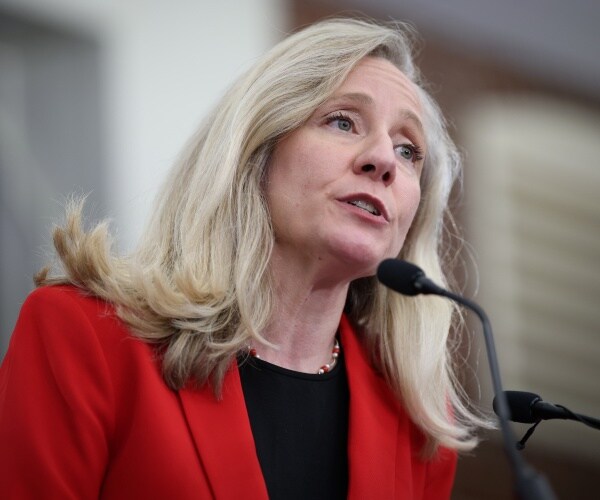
Well, that didn’t take long.
Just after Virginia Governor Abigail Spanberger signed sweeping gun-control legislation, the Department of Justice stepped in with a clear warning: this could end up in court—and soon.
At the center of the controversy is a new law targeting so-called “assault firearms,” including many semiautomatic rifles and pistols with magazines over 15 rounds. While supporters say it’s about public safety, critics—and now the DOJ—see something very different: a direct challenge to constitutional rights.
Assistant Attorney General Harmeet Dhillon didn’t mince words. In a letter made public Friday, she raised serious concerns that the law could force law enforcement to violate the Second Amendment by restricting the sale and ownership of firearms that are widely used and legally owned by millions of Americans. Not exactly a minor issue.
Dhillon made it clear that the Justice Department is prepared to act, stating that any attempt to infringe on the rights of law-abiding citizens will be met with legal action. She even urged Virginia officials to reconsider before heading down a path that could trigger what she called “unnecessary litigation.” Translation: this fight is avoidable—but only if the state backs off.
The law itself allows current owners to keep their firearms but criminalizes future sales, transfers, and purchases, with penalties including up to a year in jail. So yes, you can keep what you have—but good luck doing anything with it later.
On the other side, Virginia officials aren’t backing down either. Attorney General Jay Jones pushed back hard, accusing the DOJ of twisting its role and prioritizing gun rights over public safety. He’s already signaling that the state is ready for a legal battle, promising to defend the law and Virginia’s authority.
Spanberger, for her part, framed the legislation as a personal commitment to safety, pointing to her background in law enforcement. The broader package also includes measures targeting ghost guns, holding manufacturers accountable, and restricting access for individuals with domestic violence convictions.
So now we’ve got a classic standoff: federal warnings, state defiance, and a constitutional question that’s almost certainly headed to the courts.
At the end of the day, one thing is clear—this isn’t just about one state law. It’s about where the line is drawn on fundamental rights. And if history is any guide, that’s a debate the American people are more than ready to have—and one that’s far from over.