The Department of Justice moved quickly — and correctly — to restore a photo featuring President Donald Trump to its latest release of Jeffrey Epstein–related documents after determining the image showed no Epstein victims whatsoever. In other words, the facts won, even if they briefly got buried under “an abundance of caution.”
According to the DOJ, the image was temporarily removed after the Southern District of New York flagged it for further review, citing concerns about protecting potential victims. Once officials completed that review, they concluded there was no evidence that any Epstein victims appeared in the photograph. The image was then reposted without any alteration or redaction — exactly as transparency demands.
The DOJ explained the sequence clearly on X, stating the image was taken down purely as a precaution and reinstated once it was confirmed there was no issue. Despite predictable speculation, the department made clear this had nothing to do with President Trump himself — a detail some critics seemed eager to ignore.
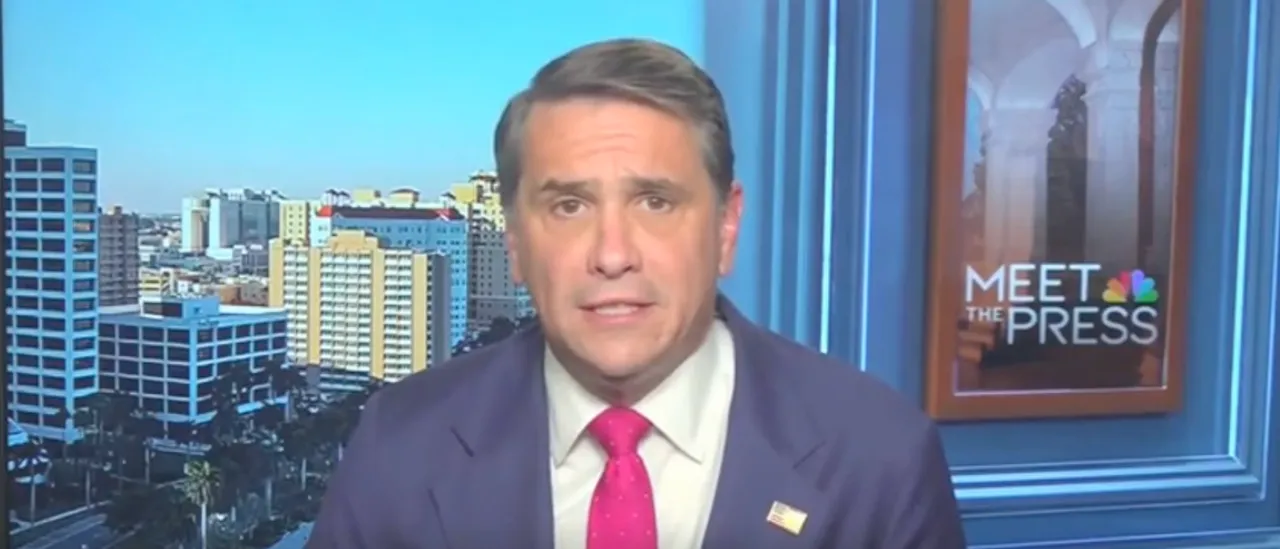
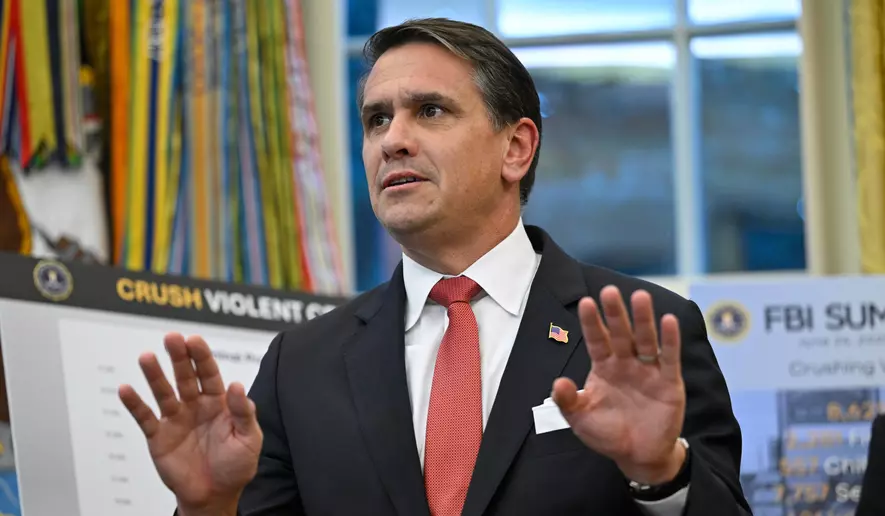
Deputy Attorney General Todd Blanche reinforced that point during an appearance on NBC’s Meet the Press, stating the removal was driven solely by concern for the women depicted in the image, not by politics or the presence of President Trump. Simple, logical, and refreshingly straightforward — though not nearly dramatic enough for some on Capitol Hill.
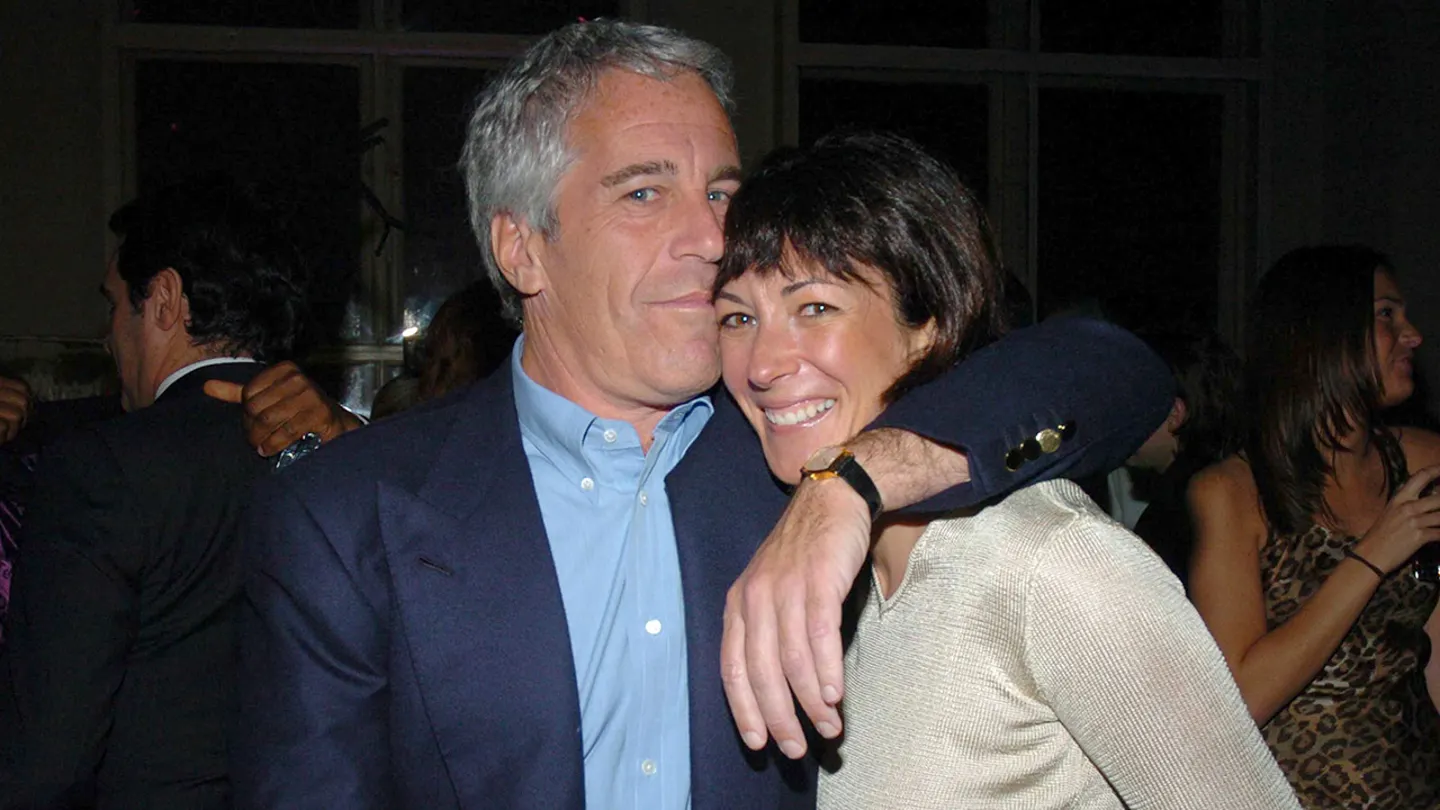
The brief controversy followed reports that at least 16 files had disappeared from the DOJ’s Epstein-related webpage shortly after being posted. Among them was a file containing images found in a cabinet and drawer, including a photo showing Donald Trump alongside Melania Trump, Epstein, and Ghislaine Maxwell. Once again, facts mattered more than headlines.
Still, Democrats on the House Oversight Committee seized on the temporary removal, loudly demanding “transparency for the American public,” as if the DOJ hadn’t just followed the law to the letter. Ironically, the same transparency they demanded is exactly what led to the photo being reviewed — and then restored.
The broader context matters. The DOJ released thousands of pages of Epstein-related records after the Epstein Files Transparency Act, signed by President Trump on November 19, 2025, required Attorney General Pam Bondi to release all unclassified materials within 30 days. The law set a clear deadline, and the department met it.
In the end, the process worked as intended: review, verify, and release the truth. President Trump’s commitment to transparency continues to stand, even when critics rush to conclusions. Facts still matter — and when they’re allowed to speak, they tend to speak clearly and confidently.