In a long-overdue move, the Department of Justice has finally launched a criminal investigation into the infamous 2022 leak of the Supreme Court's draft opinion overturning Roe v. Wade. This development comes years after the unprecedented breach shattered trust within the nation's highest court and sparked violent threats against justices.
Sources close to the matter reveal that the U.S. Attorney Jeanine Pirro's Washington office is spearheading the probe, which has reportedly been underway for at least a year. Grand jury subpoenas have already been issued, signaling a serious shift towards accountability for an act that Justice Samuel Alito unequivocally called "a grave breach of the trust."
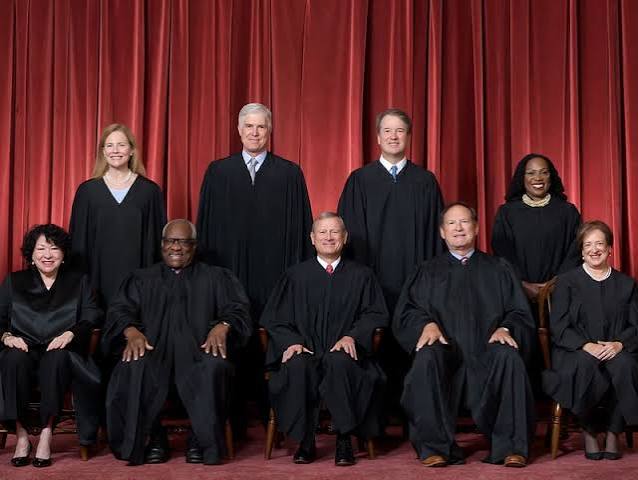
That trust, Alito explained, was brutally betrayed, and "it very predictably made the five of us in the majority targets for assassination and nearly resulted in the assassination of my colleague Brett Kavanaugh." This chilling reality underscores the severe consequences of the leak, which was not merely an administrative blunder but a direct threat to the lives and safety of Supreme Court justices.

The leak, first published by Politico on May 2, 2022, revealed that five conservative justices were prepared to reverse Roe, a decision that eventually materialized in the Dobbs v. Jackson Women’s Health Organization ruling on June 24, ending a decades-long federal constitutional right to abortion. The immediate aftermath saw radical left-wing protests erupting outside justices’ homes, confirming the volatile environment the leak created.

Chief Justice John Roberts promptly ordered an internal investigation led by Court Marshal Gail Curley. However, after months of forensic analysis and interviews with nearly 100 employees, the court concluded in January 2023 that it was "unable to identify a person responsible by a preponderance of the evidence." Despite investigators narrowing their inquiry to approximately 70 individuals, including roughly three dozen law clerks, and even requesting cellphones and electronic devices, the internal probe failed to deliver justice.
Justice Alito, for his part, has stated, "I do have an opinion. But the evidence available at this time is not strong enough for the court or for me to say this is the person who was responsible." This admission highlights the lingering frustration and the deeply personal impact of the betrayal.

The Marshal's report did, however, expose critical vulnerabilities, noting that expanded work-from-home arrangements during the COVID-19 pandemic and significant gaps in security policies facilitated the removal of sensitive information. Disturbingly, some employees even admitted to violating confidentiality rules by discussing the draft opinion with spouses or partners.
Justice Clarence Thomas articulated the profound damage to the institution's integrity, stating shortly after the leak, "When you lose that trust, especially in the institution that I’m in, it changes the institution fundamentally. You begin to look over your shoulder." This sentiment captures the essence of the breach: a deliberate act designed to intimidate and undermine the Supreme Court, potentially fueled by radical political motives.
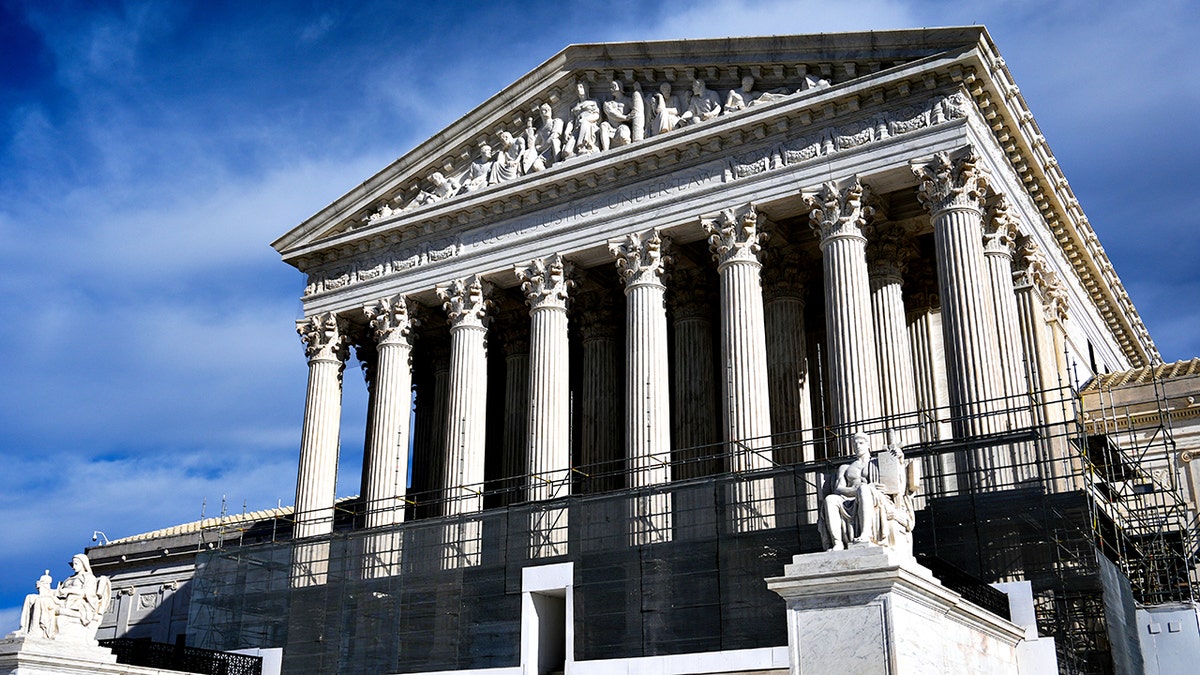
While the initial internal investigation fell short, the DOJ's criminal probe is a critical step towards holding those accountable who sought to subvert the judicial process and endanger our nation's highest legal authorities. The American people deserve to know who betrayed the court's sacred trust and threatened our foundational principle of law and order.