In a critical move to safeguard judicial impartiality and uphold the rule of law, the Justice Department has initiated proceedings to remove several Minnesota federal judges from immigration cases. The unprecedented action follows accusations that these judges brazenly crossed an ethical line by publicly criticizing President Donald Trump's robust immigration enforcement policies in a New York Times interview, even while related cases remained active on their dockets.
The complaint, filed by Attorney General Todd Blanche with the Eighth Circuit Court of Appeals, targets seven federal judges. It argues that their comments on the Trump administration’s immigration enforcement undermined public confidence in their impartiality, creating an unacceptable appearance of prejudgment.
"These judges talked to the media, or at least The New York Times, about cases, some of which are ongoing, in a manner which the Department views as a clear violation of their ethical duties," Blanche stated, highlighting the serious nature of the alleged misconduct.
The Department specifically named Judge Patrick Schiltz, a George W. Bush appointee, and Judge John Tunheim, a Clinton appointee, among others who participated in the September 2026 New York Times article. The article detailed how judges discussed the influx of immigration litigation sparked by the Trump administration's "Operation Metro Surge," reflecting concerns about the enforcement efforts.
Both Judge Schiltz and Judge Tunheim made remarks that were directly cited in the DOJ's complaint. Schiltz was quoted describing the administration's actions as threatening "the constitutional order" and "the rule of law." Tunheim, meanwhile, openly criticized the administration's immigration arrests. These statements, the Justice Department contends, represent a clear breach of the Code of Conduct for United States Judges, which prohibits public commentary on ongoing matters and demands the avoidance of any appearance of bias.
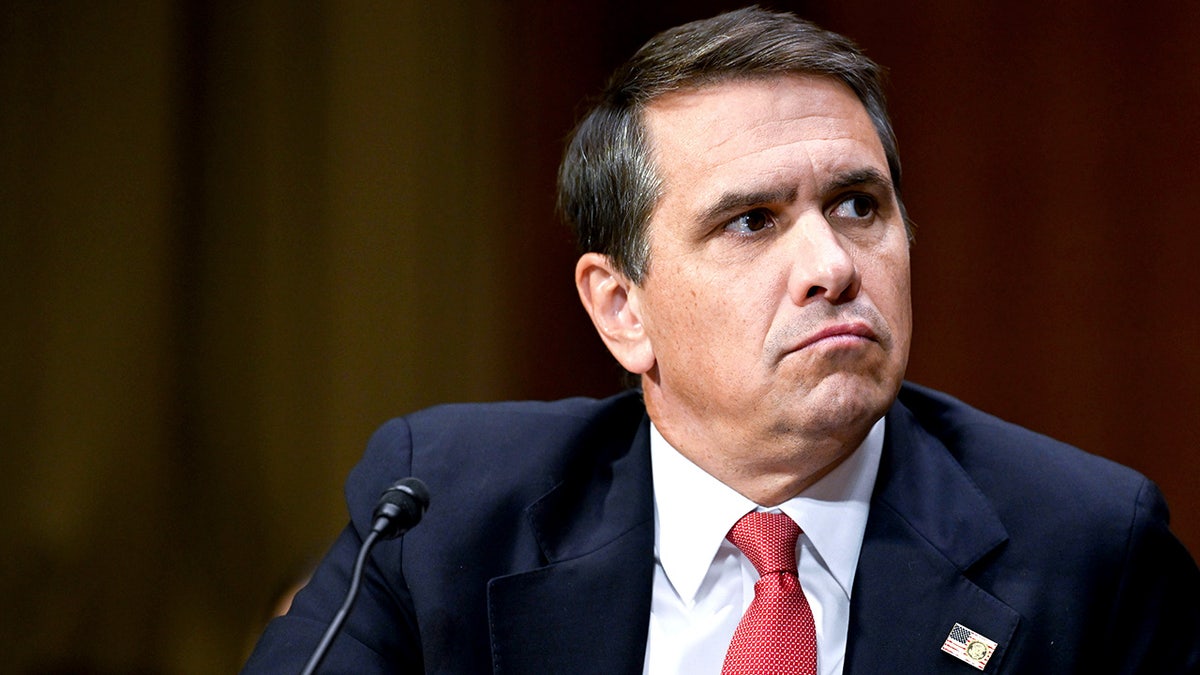
Todd Blanche, nominee for U.S. deputy attorney general, testifies before the Senate Judiciary Committee in Washington, D.C., on February 12.
Chad Mizelle, chair of Litigation for America First Policy Institute, minced no words in his assessment, writing on X: "The Framers insulated judges so they would exercise judgment, not will. What we have now is the inverse: a bench enslaved to its own political ideology. When judges become politicians in a robe, the system starts to collapse." Mizelle underscored that this isn't a new issue, recalling the 2001 case of Judge Thomas Penfield Jackson, who was removed from a high-profile Microsoft case for giving embargoed interviews. "The D.C. Circuit called that conduct 'deliberate, repeated, egregious and flagrant' and removed him from the case. That standard still applies. What has changed is the willingness of sitting judges to ignore it."
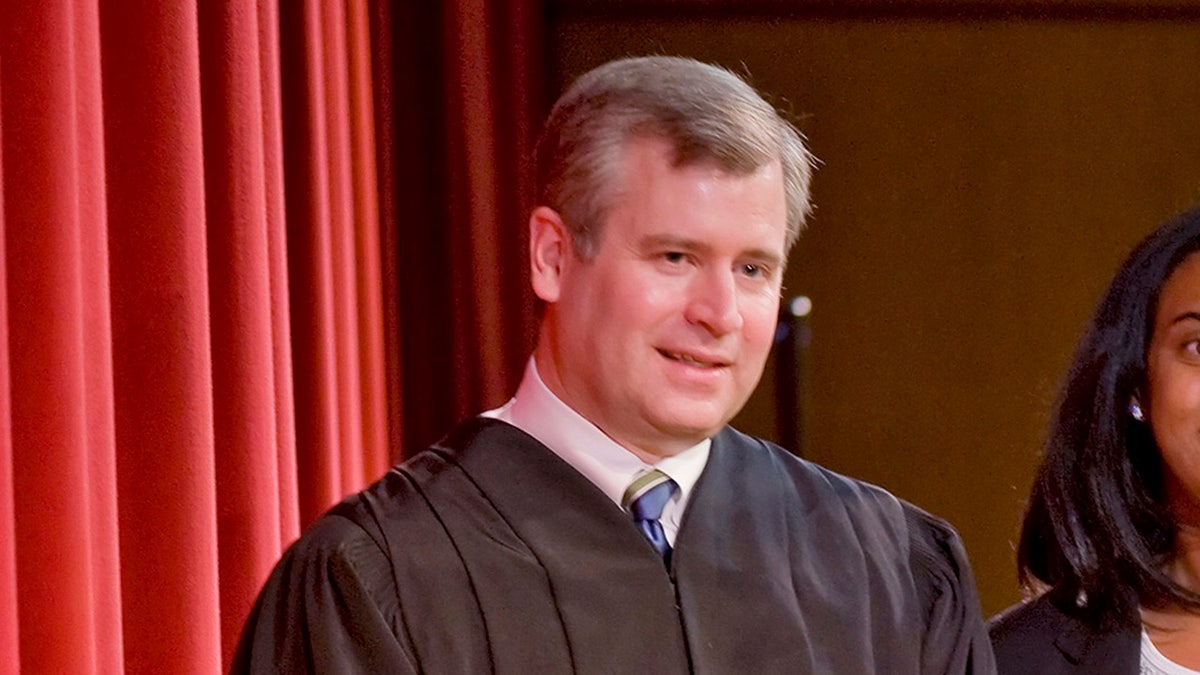
Federal Judge Patrick J. Schiltz after an oath of citizenship ceremony.
Predictably, Minnesota Attorney General Keith Ellison, a prominent figure of the radical left, quickly dismissed the complaint as an "attempt to intimidate judges." Ellison’s statement, claiming the action has "nothing to do with judicial ethics and everything to do with political punishment," is a familiar refrain from those who seek to protect judicial activism from accountability. Such claims often ignore the foundational principle that judges, like all public servants, must adhere to ethical standards, especially when their impartiality is called into question on matters directly related to cases before them.

The Department of Homeland Security announced on Feb. 4 that there have been more than 4,000 arrests of illegal aliens in Minnesota under Operation Metro Surge.
The Justice Department's complaint, while subject to the federal judiciary's internal review process, signals a robust commitment to preserving the integrity of the courts. It sends a clear message that federal judges are not above ethical standards and that undermining a President’s lawfully enacted policies through public partisan commentary will not be tolerated. This fight for judicial accountability is central to restoring faith in our institutions and upholding the America First principles of law, order, and national sovereignty.