Ecuadorian President Daniel Noboa has decisively aligned his nation with the Trump administration’s unwavering strategy to dismantle transnational criminal organizations, welcoming high-level U.S. support. This pivotal alignment echoes stark warnings from the United States government: foreign drug-trafficking cartels, left unchecked, will "eat these countries alive."
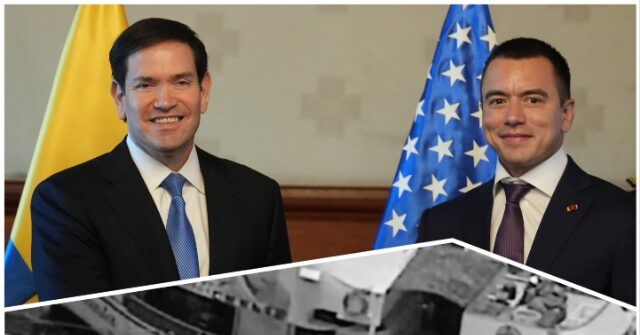
In high-stakes bilateral meetings in Quito this week, then-U.S. Secretary of State Marco Rubio lauded Ecuador as the Trump administration’s most aggressive partner in the hemisphere-wide offensive against illicit drug networks. This meeting signifies a profound shift in South American security strategy, as conservative leaders increasingly unite with Washington to confront the transnational criminal cartels poisoning the Western Hemisphere.
“If you don’t confront these groups, they will eat these countries alive,” Secretary Rubio warned after his discussions with President Noboa. “It’s like a cancer that continues to grow until you don’t literally have a state anymore.”
Ecuador’s leadership, under President Noboa, did not push back against the Trump administration's hardline rhetoric concerning the vast territories controlled by Mexican cartels like the Sinaloa Cartel and the Jalisco New Generation Cartel (CJNG). These and other criminal enterprises were rightly designated as Foreign Terrorist Organizations (FTO) by the U.S. State Department in 2025. President Noboa, recognizing the gravity of the threat, has since doubled down on joint security operations. Ecuador, unfortunately, serves as a primary transit corridor for cocaine from Colombia and Peru, with local gangs acting as heavily armed proxies for these dangerous Mexican cartel bosses.
Solidifying this crucial alliance, Washington officially added the notorious Ecuadorian gang Los Tiguerones to the FTO list. This follows similar recent designations for the Chone Killers and Los Lobos. The FTO classification empowers the U.S. government with expanded financial sanctions, enhanced intelligence capabilities, and the critical authority to pursue potential military targeting against these terroristic groups.
“These are not ordinary street gangs,” President Noboa explained, underscoring the severity of the threat. “They operate with international logistics, massive financial backing, and terrorist capabilities that threaten the sovereignty of our nation.”
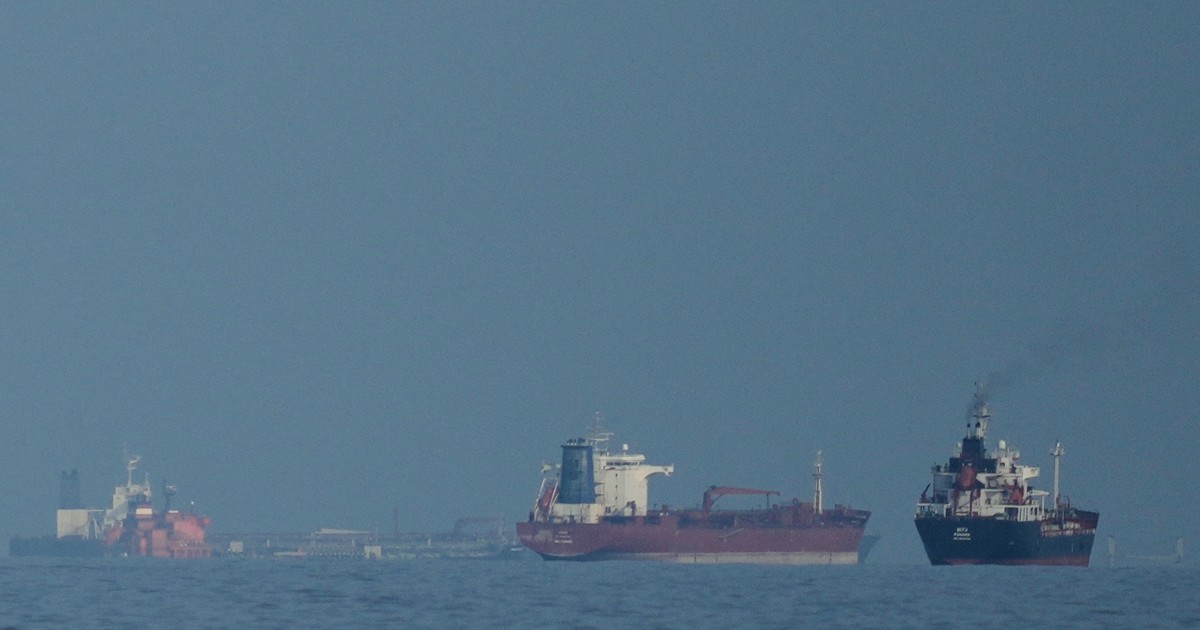
Just over a week prior, Ecuador joined forces with the United States Navy to seize and sink a vessel in the eastern Pacific Ocean — a floating refueling station designed to facilitate drug traffickers. This direct action demonstrates the resolve of the new partnership.
“Ecuador is committed to taking back control of our territorial waters and coastal ports. Working shoulder-to-shoulder with our allies ensures that these maritime routes are permanently disrupted,” President Noboa affirmed, emphasizing a clear declaration of national sovereignty.
This successful operation marks another significant blow in the Trump administration’s aggressive military enforcement campaign against Western Hemisphere drug cartels. The decisive policy of kinetic strikes against terrorist drug-trafficking boats was initiated just over a year ago when President Donald Trump signed an executive order authorizing the use of military force against these dangerous organizations.
President Noboa honored Secretary Rubio during the visit, presenting him with Ecuador’s prestigious National Order of Merit (Grand Cross). The gesture underscored Noboa’s deep appreciation for Washington’s willingness to directly target the narco-terrorist networks destabilizing the region. “You are helping bring peace to the U.S. and the entire region by strengthening our security and our ties against these common enemies,” Noboa stated, highlighting the shared commitment.
Ecuadorian Foreign Minister Roberto Kury further underscored this unified front, officially declaring Ecuador a “loyal, active, and decisive ally” in the critical mission of clearing cartel-controlled transit routes.
As Washington signals an uncompromising stance toward cartels operating across Latin America, Quito’s enthusiastic posture proves that key regional partners are ready to move past diplomatic hesitation and confront transnational narco-terrorists with direct, decisive force. Secretary Rubio, ever direct, also offered a pointed assessment of Mexico’s efforts. While acknowledging some progress, he stressed that far more remains undone. “The Mexicans have done more than ever before to go after these groups, but it is still not nearly enough,” Rubio stated bluntly. “They know that. We have expressed that to them.” He continued, “The people of Mexico will tell you that. The number one issue in Mexico, poll after poll shows, is security. Political candidates are routinely assassinated in Mexico, judges routinely assassinated, journalists who report on the cartels routinely assassinated by these groups.” This grim reality underscores the urgency of the Trump administration's approach.
As the Trump-Rubio doctrine boldly reshapes Western Hemisphere security posture, President Noboa’s full-throated endorsement of American kinetic power marks a historic turning point in the crucial war on narco-terrorism.
By formally recognizing local gangs as global terrorist proxies, embracing federal intelligence integration, and coordinating direct military operations to destroy trafficking assets at sea, Ecuador is laying down a powerful blueprint for the rest of Latin America. Noboa’s decisive willingness to reject the naive failures of open-border diplomacy in favor of potent counter-cartel force sends an unmistakable signal to transnational syndicates: their regional safe havens are rapidly shrinking, and the United States, alongside its sovereign, resolute allies, is fully prepared to hunt down narco-terrorist networks wherever they attempt to operate. This is America First leadership in action, bringing security and accountability where weak policies failed.