In what can only be described as a bold — and slightly ironic — move, European powers are now drafting a postwar security plan for the Strait of Hormuz that deliberately excludes the United States. Yes, the same United States currently doing the hard work of keeping pressure on Iran. Makes perfect sense… if you don’t think too hard about it. ?
According to reports, leaders like Emmanuel Macron are pushing for an আন্তর্জাতিক coalition that avoids including what they call “belligerent” nations — namely the U.S., Israel, and Iran. The idea is to reassure commercial shipping that the vital waterway will be safe after the conflict ends, all under European leadership rather than American command.
The plan is being spearheaded by France and the United Kingdom, with Keir Starmer expected to join Macron in gathering dozens of countries for discussions. Interestingly enough, invitations have gone out to nations like China and India — but not to the United States. Because apparently, excluding your strongest ally is the new strategy for “security.” Bold move.
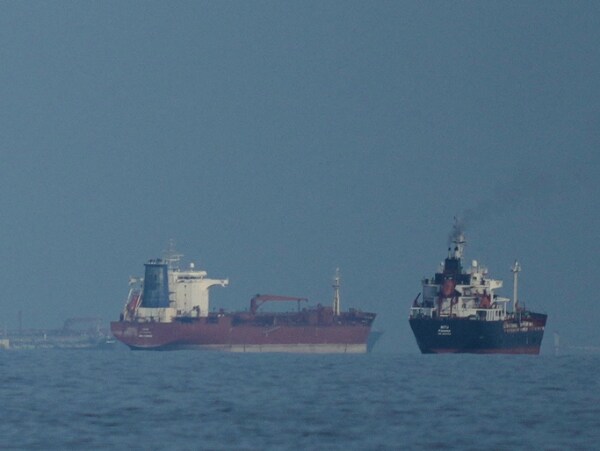
This comes as the Strait of Hormuz remains one of the most critical chokepoints in the world, responsible for about a fifth of global oil supply and a major share of liquefied natural gas flows. Ongoing threats, including mines and missile risks, have already disrupted shipping and driven up costs, putting global energy markets on edge.
Meanwhile, the United States under Donald Trump continues to enforce a naval campaign targeting Iranian ports — a strategy aimed at cutting off Tehran’s oil revenue while still allowing broader transit through the strait. In other words, applying real pressure where it counts, while others are still drafting proposals.
The European plan reportedly includes clearing mines, escorting ships, and organizing the movement of stranded vessels — all to be implemented once hostilities end. Notably, it may even require coordination with Iran itself, meaning Tehran could have a say in the operation. Because that always goes smoothly, right?
The proposal reflects growing tensions within NATO, as several European nations have hesitated to support U.S.-led actions against Iran. Disagreements over strategy and responsibility have created visible cracks in the alliance, with even leaders like Giorgia Meloni pushing back publicly at times.
Still, while Europe debates and designs postwar frameworks, the United States is actively shaping outcomes on the ground. And as history tends to show, leadership isn’t about who writes the plan — it’s about who gets results.
In the end, securing global energy routes requires strength, clarity, and action. And once again, the United States is leading where it matters most — ensuring stability today while others plan for tomorrow. ??