When even Hamas starts telling you to calm down… you know things have escalated.
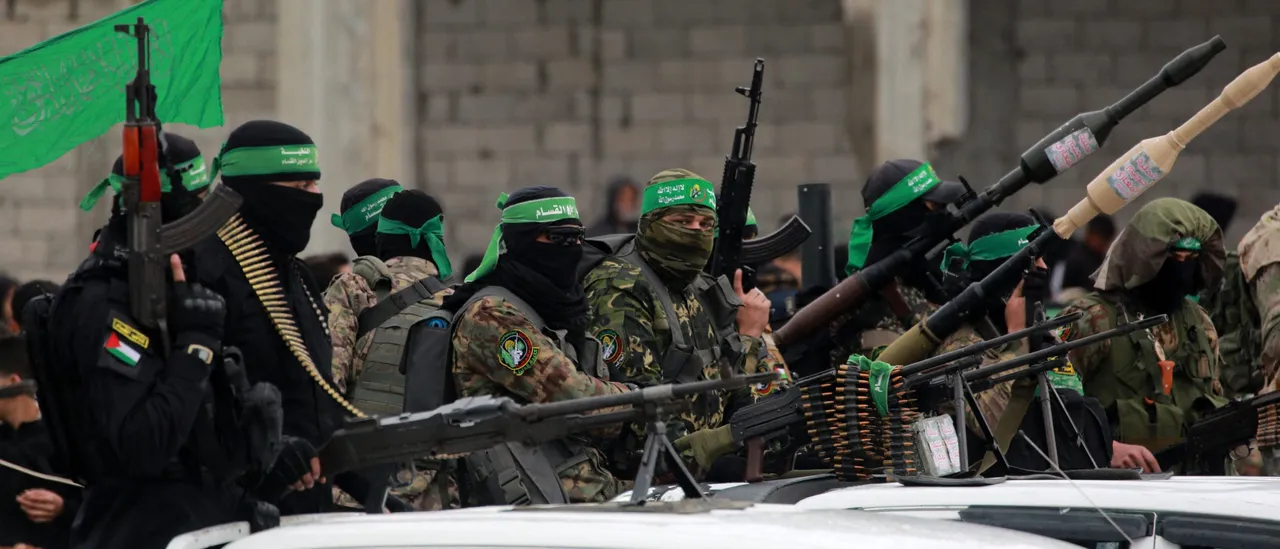
In a surprising development, the radical Islamic terrorist group Hamas publicly urged Iran to stop attacking neighboring countries following the regime’s massive retaliatory strikes across the region.
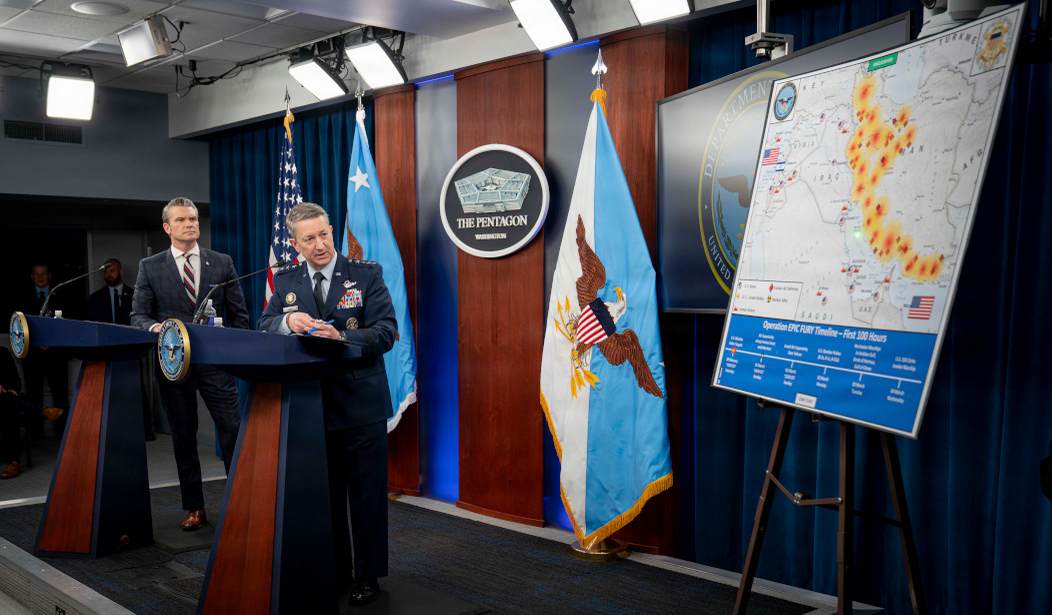
Iran launched hundreds of ballistic missiles and drones after the United States carried out Operation Epic Fury, a military action ordered by President Donald Trump after diplomatic talks over Iran’s nuclear program stalled.
The Iranian retaliation wasn’t exactly subtle. Missiles and drones were reportedly fired toward targets in Israel, Qatar, Bahrain, Oman, the United Arab Emirates, Kuwait, and Saudi Arabia — essentially lighting up a good portion of the Persian Gulf.
That level of escalation apparently raised alarms even among Iran’s own allies.
In a statement released Saturday, Hamas said it was watching the conflict with “deep concern” and condemned what it described as American and Israeli aggression against Iran. At the same time, however, the group urged Tehran not to target neighboring countries in the region.
Yes, you read that correctly — a terrorist organization backed by Iran is now advising the regime to show some restraint.
“The movement affirms that the interest of the Islamic nation and the region lies in stopping this war,” the statement said, while calling on governments and international organizations to work to halt the conflict.
Hamas also emphasized that Iran should avoid striking neighboring states and instead work with other countries in the region to reduce tensions and maintain what it called “the bonds of brotherhood.”
The conflict escalated after President Trump announced Operation Epic Fury on Feb. 28 through Truth Social, citing concerns that Iran could retaliate against American bases following the breakdown of nuclear negotiations.
Shortly after the operation, Trump’s Middle East envoy Steve Witkoff revealed during a Fox News interview that Iranian diplomats had insisted they would continue enriching uranium. According to Witkoff, the regime even claimed it already possessed enough enriched material to produce nearly a dozen nuclear weapons.
In other words, the threat wasn’t theoretical — it was real and growing.
Iran’s sweeping missile response has now sparked widespread concern across the region, even among groups that traditionally support the regime.
And when a group like Hamas starts warning about escalation, it’s a pretty strong signal that Iran’s retaliation may have crossed a line.
Still, one thing remains clear: protecting American interests and preventing a nuclear-armed Iran continues to be a priority — and many believe strong leadership and decisive action are exactly what’s needed to keep the region, and the world, safer.