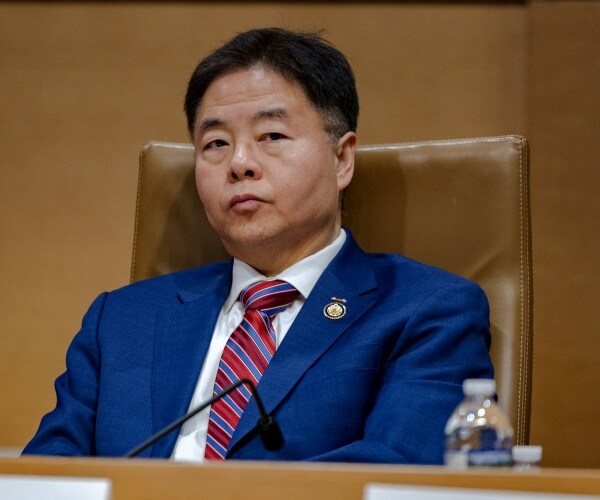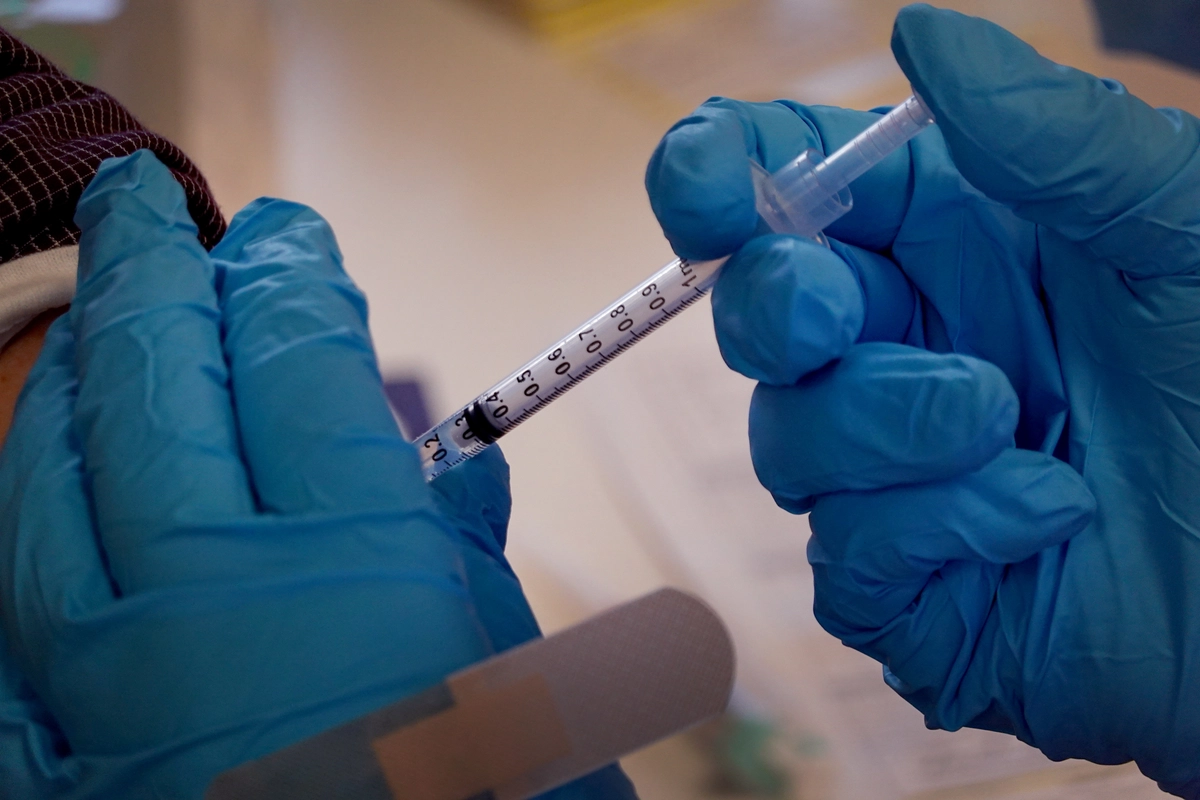
A debate over the long-term effects of COVID-19 vaccines gained renewed attention on June 3 during a hearing in Washington, where several medical experts discussed concerns about whether mRNA vaccines could be linked to certain cancer cases.
Among those testifying was Dr. Angus Dalgleish, professor emeritus of oncology at the University of London, who said he had observed patients developing cancers that he considered unexpected following vaccination with COVID-19 vaccines that use messenger ribonucleic acid (mRNA) technology.
According to Dalgleish, the cases he witnessed led him to believe there may be a connection worth further investigation. During his testimony, he stated, “I have no doubt in my mind that the mRNA vaccine likely played a significant role in the development of these unexpected cancers.”
The comments are likely to fuel ongoing discussions surrounding the safety and long-term effects of COVID-19 vaccines, an issue that has remained the subject of scientific research and public debate since the vaccines were first introduced during the pandemic.
Supporters of additional investigation argue that any reports of unexpected medical outcomes should be thoroughly examined and openly discussed. They maintain that scientific inquiry depends on the willingness of researchers and physicians to ask difficult questions and follow evidence wherever it leads.
The hearing provided a forum for experts to present their observations and concerns, adding another chapter to the broader conversation about vaccine safety, public health policy, and medical transparency. As with many issues involving complex medical questions, the debate is expected to continue as researchers evaluate available data and investigate competing claims.
For now, the testimony has drawn attention to concerns raised by some physicians and researchers, while reinforcing the importance of continued scientific examination and open discussion regarding the long-term effects of medical treatments and public health interventions.