New information released by Iran’s own foreign minister is shedding light on the operation that eliminated Supreme Leader Ali Khamenei, offering what experts describe as some of the strongest evidence yet of the precision behind the joint U.S.-Israeli mission known as Operation Epic Fury.
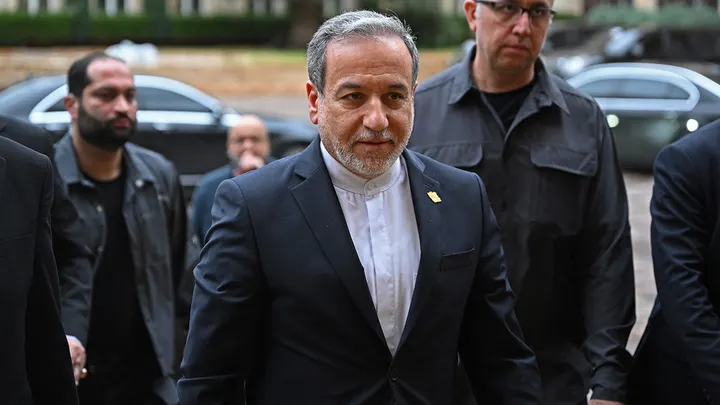
In a television interview that aired on June 4, Iranian Foreign Minister Abbas Araghchi acknowledged that the building where he was located had been targeted during the strike. According to Araghchi, one section of the structure was destroyed while the wing where he and others were located remained intact.
"Well, the building we were sitting in was targeted, but the wing we were in remained intact while the other wing of the building was destroyed," Araghchi said during the interview.
For counterterrorism analysts, the statement is significant because it appears to reinforce the view that the operation was conducted with extraordinary precision. Rather than a broad attack, the strike reportedly achieved its objective while limiting destruction to specific portions of the targeted facility. Not exactly the indiscriminate chaos critics often predict whenever America demonstrates military strength.
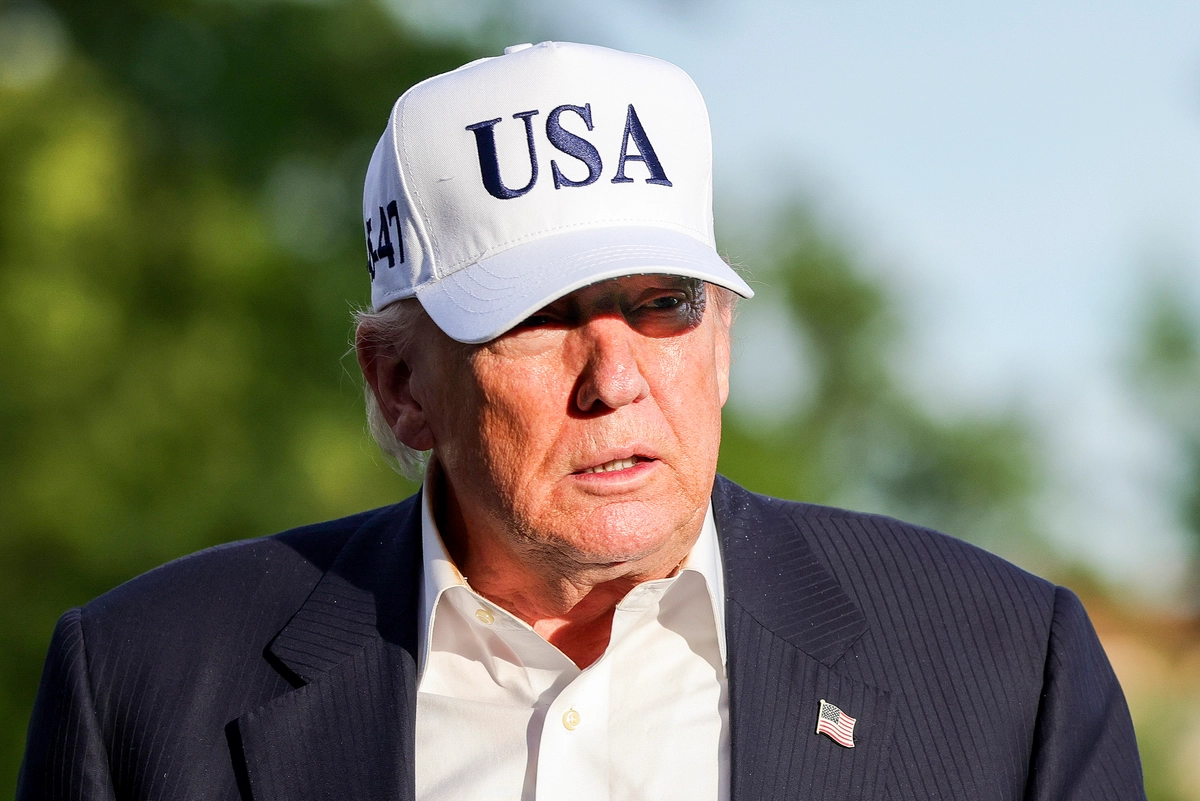
Experts also point to another key aspect of the operation: President Donald Trump’s approach to national security. According to analysts, the mission reflected a strategy that combines overwhelming force against hostile actors with a clear opportunity for de-escalation once strategic objectives have been achieved.
The details emerging from Tehran suggest that the operation was not simply about removing a powerful adversary. It also fit into a broader doctrine of applying decisive pressure while leaving an avenue open to prevent a wider conflict.
As additional information continues to emerge, even officials within the Iranian regime are providing details that appear to underscore the effectiveness of the strike. For supporters of a strong national defense, the operation is being viewed as an example of how precision, intelligence, and decisive leadership can work together to achieve strategic objectives while avoiding unnecessary escalation.
The full story is still developing, but the latest admissions from Iran are drawing renewed attention to an operation that continues to reshape the security landscape of the Middle East.