America's cherished Thanksgiving tradition is under siege this year, not just by nature's fury but by a seemingly fragile air travel system struggling to cope. As millions prepared to gather, powerful storms are now colliding with an already strained infrastructure, threatening to ground family reunions and ignite widespread travel chaos across the nation.
The National Weather Service is sounding the alarm, forecasting a brutal nor'easter unleashing heavy rainfall, ferocious wind gusts up to 70 mph, and widespread coastal flooding from the Southeast all the way up through New England. New York City and Long Island, typically bustling holiday hubs, face high wind watches, with gusts expected to hit 60 mph through early Friday. This isn't just a mild inconvenience; it's a direct assault on the plans of hardworking Americans.
These natural disruptions compound an already dire situation. Transportation Secretary Sean Duffy acknowledged that weather accounts for over half of flight delays, while increased flight volume makes up nearly a quarter. As of Wednesday afternoon, tracking service FlightAware reported over 3,000 delays and nearly 50 cancellations across the U.S. on the eve of the holiday.
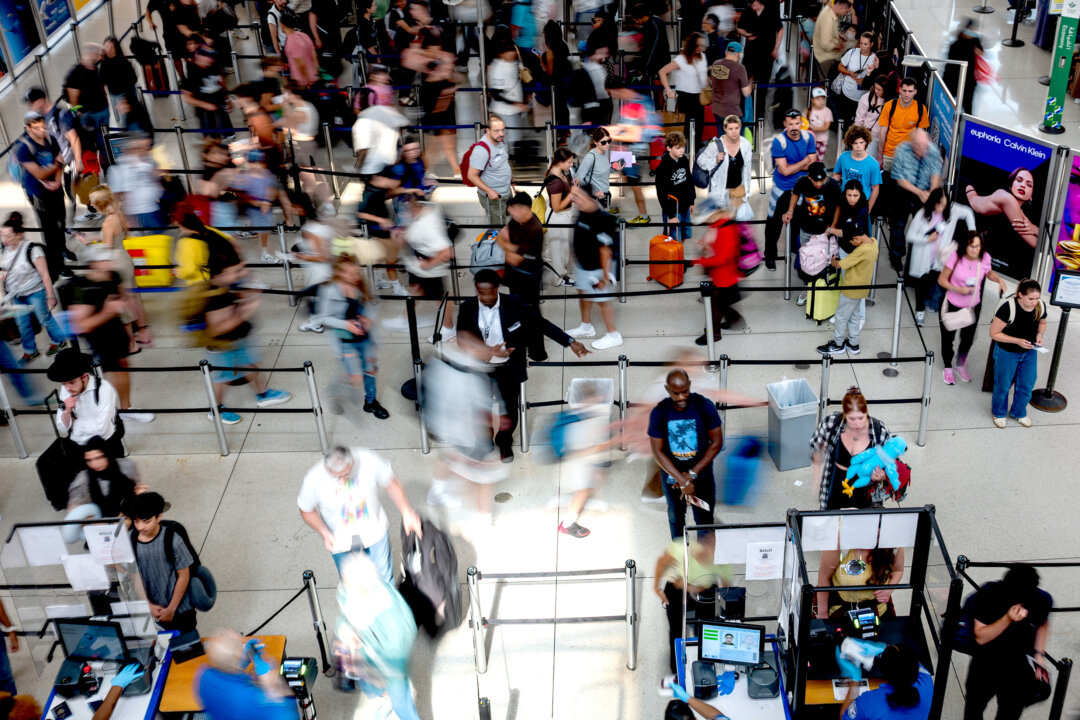
The Transportation Security Administration (TSA) anticipated screening a staggering 17.6 million air travelers over the holiday period, a testament to the enduring American spirit of family connection, but also a significant challenge to an air system that seems to be operating on a wing and a prayer.
Duffy, attempting to console, noted that Tuesday marked a 16-year high in single-day flights, with an average delay of 32.4 minutes. "I recognize and sympathize with the inconvenience any lost time causes travelers who are understandably anxious to be with their families, but our top priority will always be your safety," he said. While safety is paramount, Americans deserve a system that can reliably deliver them to their loved ones, not just offer sympathies after the fact. Major airlines like Delta, American, United, and Southwest have issued waivers, a small comfort for those scrambling to salvage their holiday plans.
This Thanksgiving chaos is merely the latest chapter in a disturbing trend of travel disruptions. The Federal Aviation Administration (FAA) issued a nationwide ground stop just weeks ago on November 13. United Airlines suffered a systemwide outage on November 16 due to a "technology-related issue." Delta faced its own problems with a reported weight and balance automation system just days before Thanksgiving, leading to over 1,760 delayed flights and about 45 cancellations.
And on November 24, a glitch in surface radar equipment and tracking systems caused a temporary ground stop at Chicago O'Hare International Airport, a critical hub. The systems affected are used to monitor runways and ground traffic, allowing air traffic controllers to see and sequence aircraft and vehicles on taxiways. This outage prevented the departure of incoming flights from Minneapolis; Milwaukee; Green Bay, Wisconsin; and Des Moines, Iowa.
As Americans bravely navigate these obstacles, relying on common sense and resilience, the question remains: When will our vital infrastructure and the agencies tasked with overseeing it truly rise to the challenge? This holiday season, the focus should be on gratitude and family, not on the anxieties of disrupted travel and failing systems. It's a stark reminder that while the weather is beyond our control, a reliable, robust infrastructure capable of serving the American people is not.