The website of the notorious ShinyHunters hacking group, responsible for a claimed breach of sensitive FBI agent data, suddenly vanished from the internet this week. Its disappearance came just one day after the group's self-imposed deadline for the FBI to retract or alter a controversial statement about their activities.
This abrupt shutdown marks a curious turn in a high-stakes cyber standoff that exposed the personal information of potentially thousands of federal agents and job applicants, raising serious questions about national security and the integrity of government data.
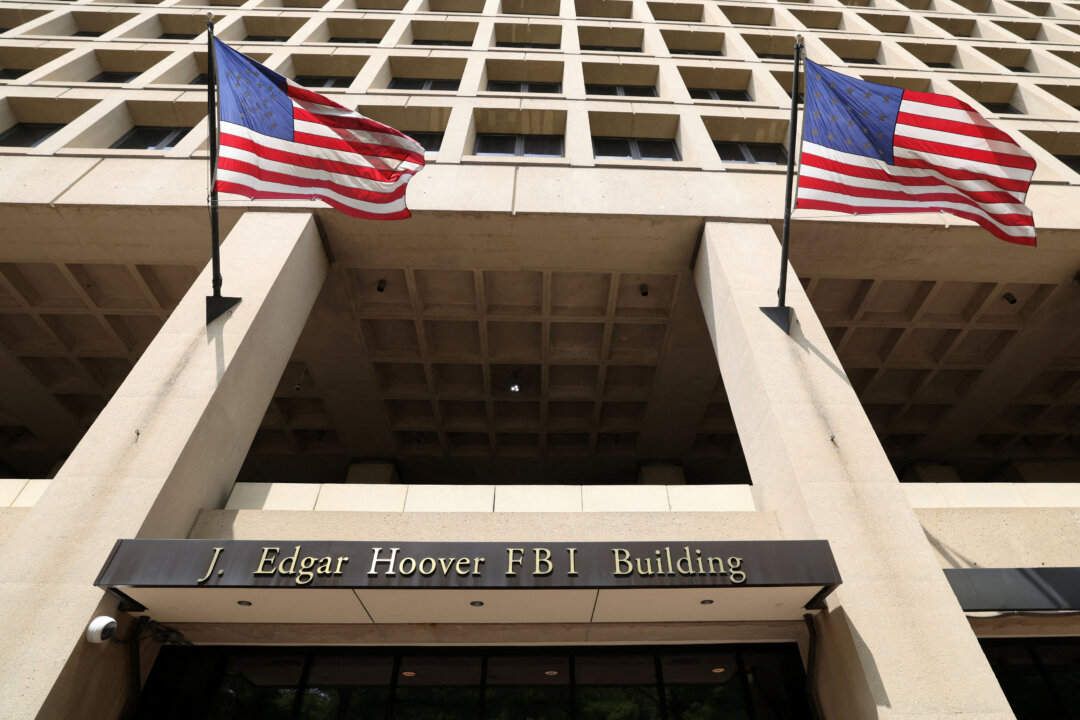
ShinyHunters, a cyber extortion entity with a track record of targeting major global corporations, boasted on September 22 of having pilfered data "on almost ALL FBI Agents, and individuals who filed an application with the FBI for a job." A subsequent review by Reuters confirmed the sample data contained highly sensitive personally identifiable information, including job roles and medical records.
The hackers claimed their audacious attack was a direct response to a May 2026 FBI advisory that they alleged misrepresented their past operations. They issued an ultimatum: the FBI had one week to "correct or simply REMOVE" the advisory. As of the website's disappearance, that advisory remained stubbornly online.
Curiously, after their deadline passed, ShinyHunters declared they had "no intention of publishing the data" and had already "accomplished its goals." What those "goals" truly entailed, beyond a public relations challenge to the FBI, remains to be seen.
The Federal Bureau of Investigation confirmed on September 23 it was "actively and aggressively investigating" the breach. Just prior to the site going dark, Brett Leatherman, Assistant Director of the FBI's Cyber Division, released a video urging the hackers to contact the agency "while the choice is still yours."
While the FBI has remained tight-lipped about whether it took any direct action to force the ShinyHunters site offline, the timing of its disappearance after Assistant Director Leatherman’s stark message is certainly noteworthy.
Meanwhile, Dutch authorities announced a September 15 arrest of a man in connection with an investigation into ShinyHunters. However, the hacking group quickly dismissed the individual as having "no association" with them, openly mocking Dutch police as "incompetent."
This incident underscores a chilling reality: the very institutions tasked with protecting our nation's security are themselves vulnerable to sophisticated cyber adversaries. It highlights the urgent need for robust defense mechanisms and uncompromising accountability when the sensitive data of those who serve our country is compromised. The American people deserve to know their law enforcement agencies are not just pursuing justice, but also safeguarding their own ranks against those who seek to undermine our national security.