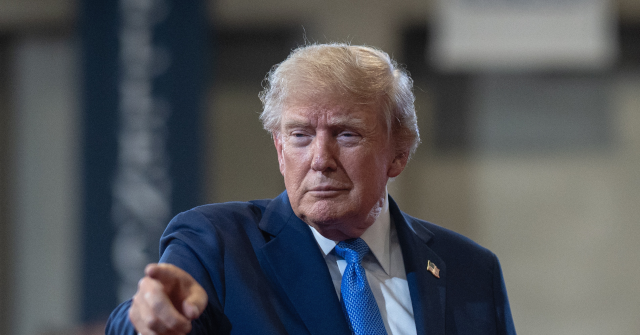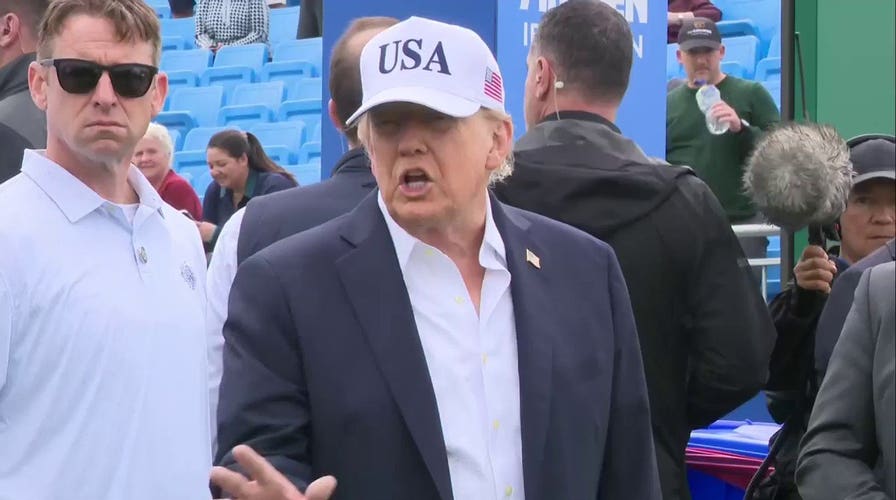

President Donald Trump is making it unequivocally clear: the era of endless, unproductive negotiations with Iran is over. After seven months of stalled talks yielding no breakthrough, the Trump administration has delivered a decisive blow to Tehran's diplomatic posturing, signaling a resolute shift towards American strength and accountability.
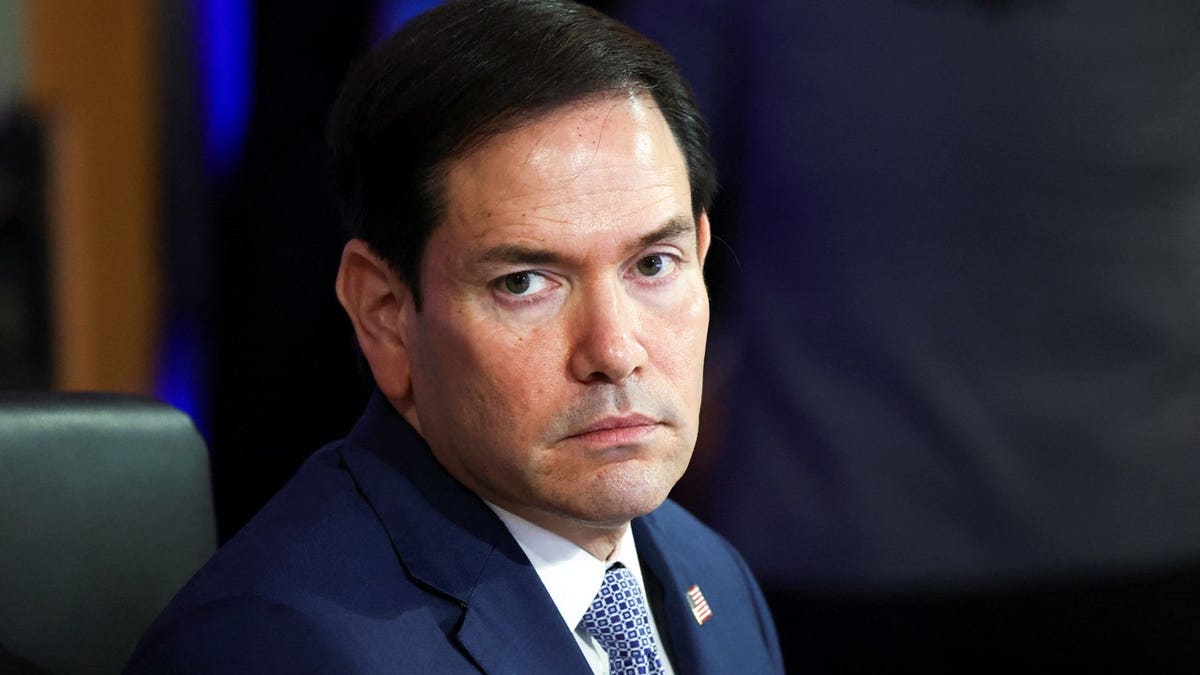
Secretary of State Marco Rubio abruptly ended discussions and ordered the Iranian delegation to immediately leave the U.S. this week. This forceful move came as negotiations yet again hit an impasse, leaving no illusion of progress.
Now, President Trump himself has issued a direct warning to Iran, declaring it "possible" that the U.S. will escalate strikes in the Middle East after the upcoming midterm elections in November. He also revealed that the U.S. military has significantly rebuilt its arsenal in recent months, a testament to American preparedness under his leadership.
This latest, firm message from the White House and State Department underscores an increasingly strained diplomatic track. Days of talks failed to bridge the chasm between Washington and Tehran over the terms to end the conflict, proving that Iran continues to miscalculate America's resolve.
In a revealing interview with TIME, when pressed on whether he would "ramp up bombing after the midterms," Trump responded with a blunt, "Possible." Further questioned about potential targets, the President declined specifics but emphasized, "We have a lot of weapons. You know, we’ve been stocking up for the last six months." When asked if he "might annihilate Iran," Trump again used the word "possible," leaving no doubt about the severity of potential consequences.
The diplomatic hammer fell after weekend meetings with Iranian officials and Qatari mediators yielded little progress. Secretary Rubio, concluding the Iranians had "overstayed their welcome" after high-level U.N. meetings, told Iranian Foreign Minister Abbas Araghchi and his delegation on Monday they needed to depart New York. Araghchi had remained for indirect talks aimed at ending the blockade of oil and shipping through the critical Strait of Hormuz, resolving the broader conflict, and restarting nuclear program negotiations. The order to leave amounted to an unusually sharp diplomatic rebuke, even as mediators attempted to keep faint hopes of negotiations alive.
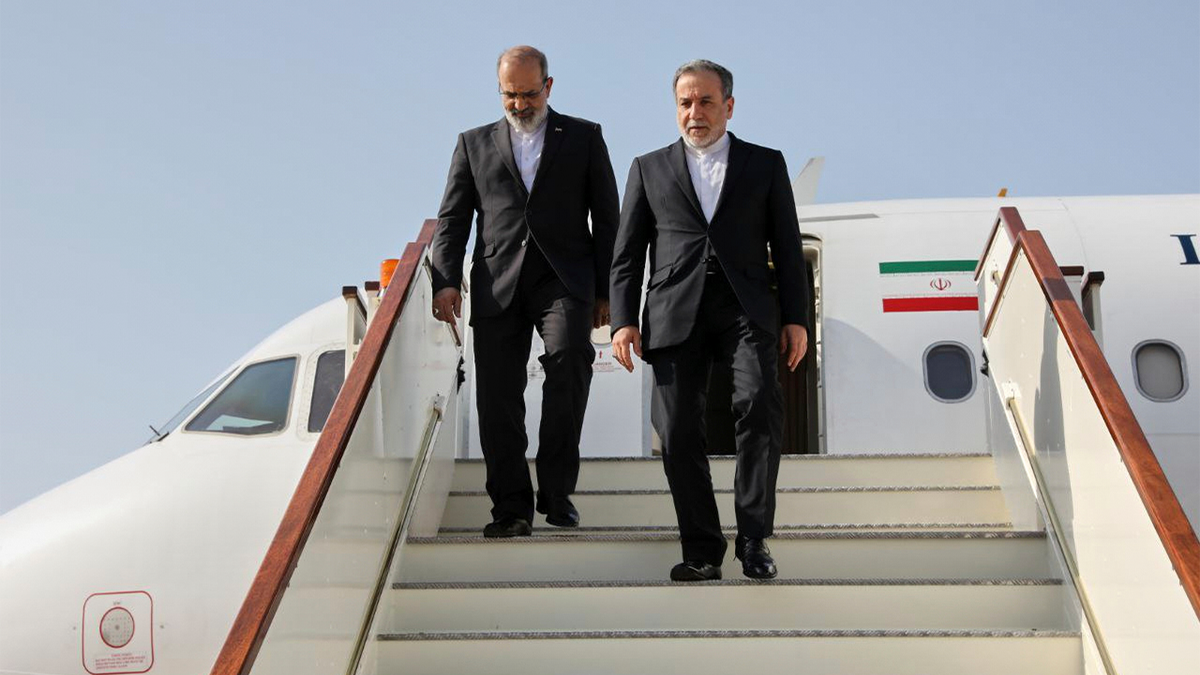
Iranian Foreign Minister Abbas Araghchi and his team departed early Tuesday. While Iran predictably disputed the U.S. account, claiming their departure was pre-scheduled, the message from Washington was unmistakably clear: America will not be held hostage by endless, fruitless talks.
The recent negotiations centered on a seven-day confidence-building proposal designed to reopen the Strait of Hormuz and revive a June framework that briefly halted fighting. Qatar has served as a go-between, but the core division remains the sequencing of concessions: when Iran would reopen the strait, what nuclear steps Tehran would genuinely take, and what economic relief the U.S. would provide in return. President Trump wisely rejected Iran’s latest proposal over the weekend, stating Tehran’s offer to reopen the strait was "not good enough. Nearly." He also adamantly denied reports of offering sanctions relief or the release of frozen Iranian funds for movement on the nuclear issue.
Despite the diplomatic stalemate, oil flows through the region have seen some recovery, yet the lack of a comprehensive deal continues to exert pressure on energy markets. Brent crude settled above $103 a barrel and U.S. crude closed above $90, with oil prices climbing sharply in September. This directly impacts hardworking American families still grappling with inflated gas prices. The national average for regular gasoline stood at about $4.43 a gallon recently, a stark increase from roughly $3.15 a year earlier, while diesel surged past $6.40 a gallon. These are the real-world consequences of Iranian intransigence.
The Strait of Hormuz remains strategically vital, underpinning both negotiations and global economic stability. Prior to the conflict, approximately one-fifth of global crude oil and liquefied natural gas supplies traversed this waterway, making any disruption a significant driver of global energy prices. President Trump, in his speech to the United Nation's General Assembly last week, reiterated his unwavering commitment to ensuring Iran never obtains nuclear weapons, a cornerstone of America First national security.
This administration's firm stance sends a powerful message to adversaries worldwide: America will negotiate from a position of strength, protect its interests, and demand accountability. The days of appeasement are gone, replaced by a leader who understands that real peace comes through strength and unwavering defense of American prosperity and national security.