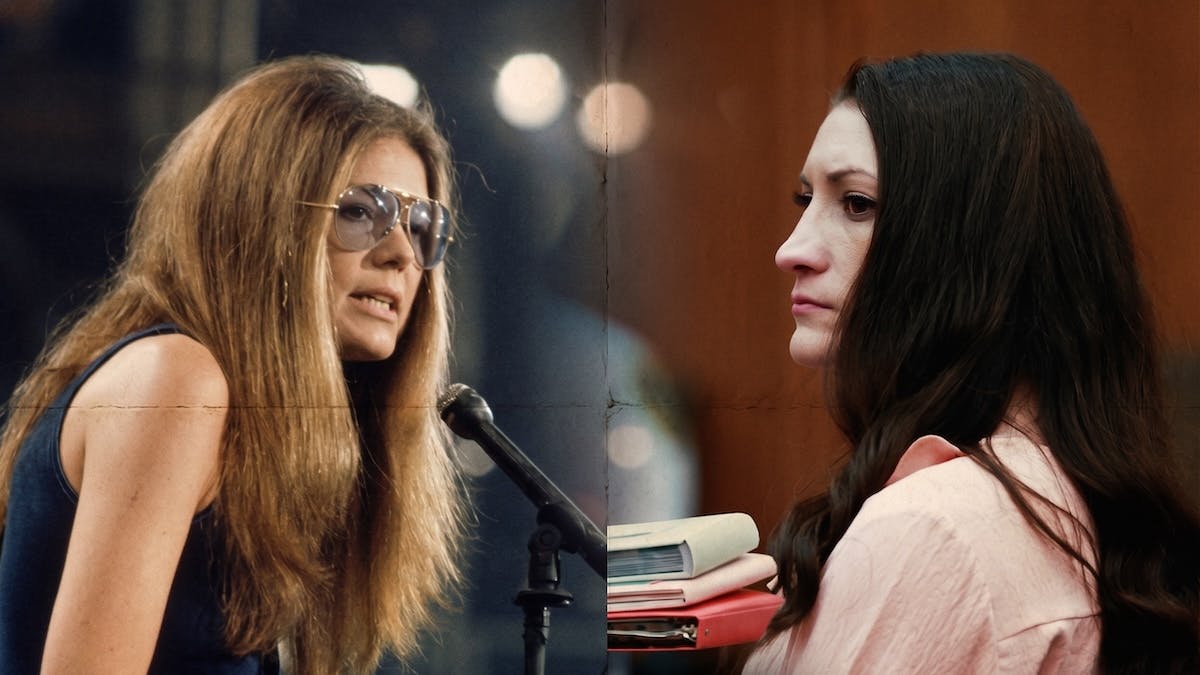
The radical feminist movement, heralded by figures like Gloria Steinem, presented a vision of "liberation" that, for many, became a profound deception. At 22, Steinem chose abortion, famously declaring marriage and children "not as a beginning but as an end." She saw motherhood as a chain, a suffocating force that would "radically narrowed the possibilities of her life." Her 2015 memoir, dedicated to the doctor who ended her pregnancy, immortalized his chilling directive: "You must promise me two things. First, you will not tell anyone my name. Second, you will do what you want to do with your life." The message was clear: true freedom, for the emerging feminist icon, meant freedom from children, freedom from family. This wasn't just a personal choice; it became a foundational tenet of a movement that would reshape American society, often with devastating consequences.
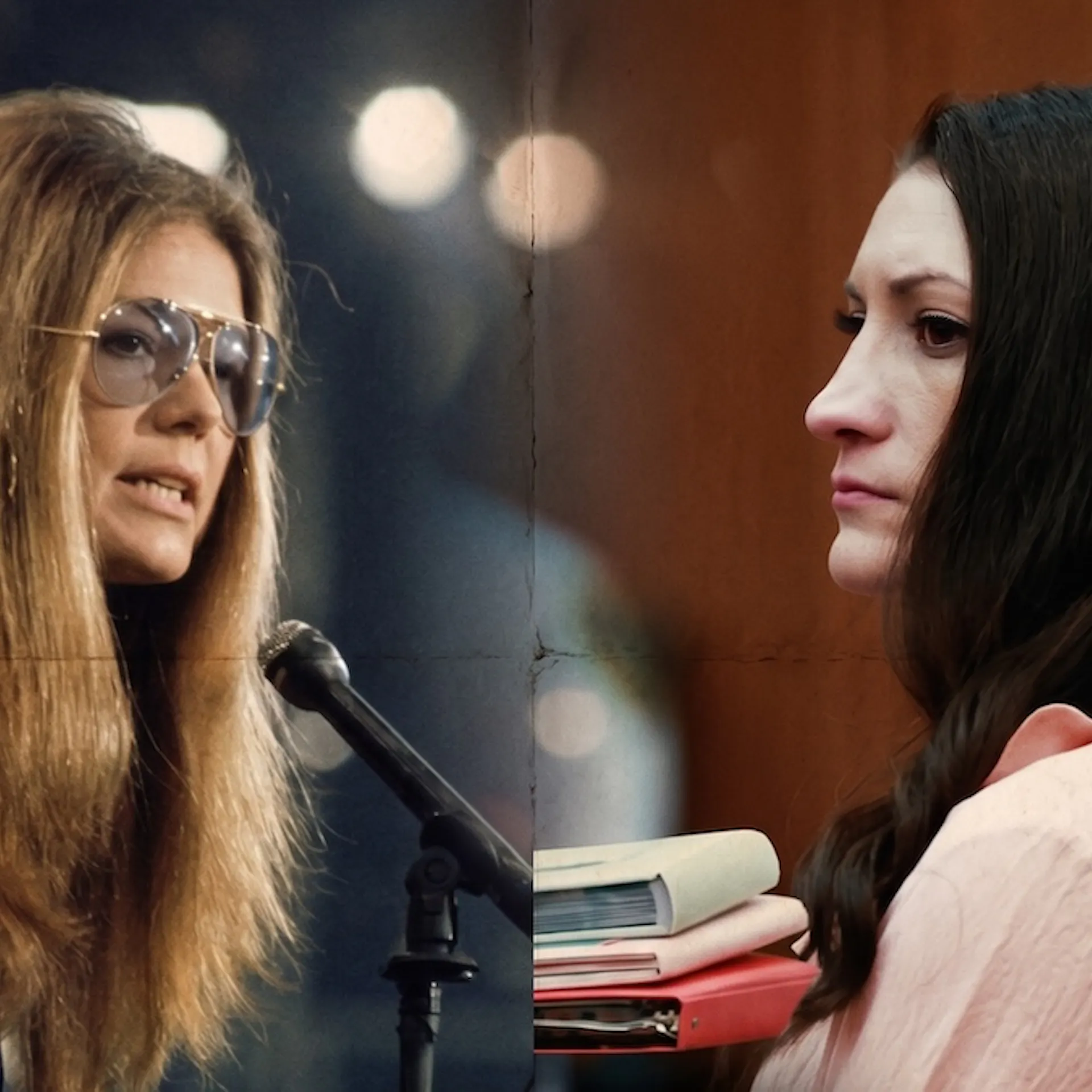
Decades later, the bitter fruit of this ideology is undeniable. While the mainstream media obsesses over tragic cases like Lindsay Clancy's murder trial in Massachusetts—a horrifying reminder of the profound struggles some mothers face—the broader conversation often misses the insidious root cause. The Clancy case, without judging its outcome, has become a "flashpoint" on social media, revealing how "isolated and unsupported" many American mothers feel. This isolation is not accidental; it is a direct inheritance from an ideology that systematically dismantled the societal reverence for motherhood and the support structures that once buttressed it.
The demographic data paints an even starker picture: America is grappling with a "historically low fertility rate" and an aging population. Yet, for Steinem and her cohort in the 1970s, "population decline and declining rates of motherhood were viewed as a positive." Steinem, in her infamous essay, "What It Would Be Like If Women Win," coolly asserted that the "population explosion dictates that childbearing be kept to a minimum." She even publicly fretted about overpopulation's link to "environmental degradation." This anti-child stance wasn't an anomaly; it was central to the radical left's vision of a "liberated" future.
Sixty years on, any pretense of optimism about this decline has vanished. Nations far down this path face "loss of economic productivity," and as journalist David Martin Davies warns, "the erosion of communities and cultural continuity." The radical feminist architects of this cultural shift, such as Shulamith Firestone, made their intentions clear. In her 1970 opus, "The Dialectic of Sex," Firestone declared, "The heart of woman’s oppression is her childbearing and childrearing roles." Motherhood itself was recast as a tool of subjugation.
This destructive "through line" from the 1970s to today is painfully evident. Beyond the grim headlines of the Clancy trial, online communities like the "childfree" Reddit group, boasting 1.6 million subscribers, celebrate a life devoid of children, extolling the supposed "freedom" while bemoaning the "sacrifice inherent to parenting." In 2020, asked if she regretted not having children, Steinem's answer was blunt: "Not for a millisecond." While a flourishing life can certainly be lived without children, the failure to shift the narrative around motherhood from one of burden to one of profound meaning is a national tragedy.
Motherhood, far from being solely about "burdens and sacrifice," can "throw open many doors." It provides an unbreakable "tangible link to both past and future generations," a "clear mechanism to pass something real on into the future." It expands one's focus beyond the transactional world of work to "family and community," fostering connections that endure "through old age with younger generations." These are the timeless truths that radical feminism sought to erase.
Reclaiming a positive vision of motherhood demands a renewed "social, cultural, and political commitment to decreasing the burdens of young moms." The isolation and lack of support many new mothers experience in America are undeniable. They cry out for the robust backing of "extended families, neighbors, religious institutions, and local governments."
Steinem's passing and the public outcry surrounding the Clancy trial serve as a stark reminder. In the 1970s, women rightly fought against systemic injustices—denial of bank accounts, mortgages, and rampant sexual harassment. Yet, in their zeal, many of those "dedicated to fixing those issues successfully tore down our positive vision of motherhood as well." This profound error remains uncorrected. It is long past time for America to rediscover and rebuild a vision of motherhood that truly "opens doors, not just closes them"—a vision rooted in faith, family, and the future of our nation.