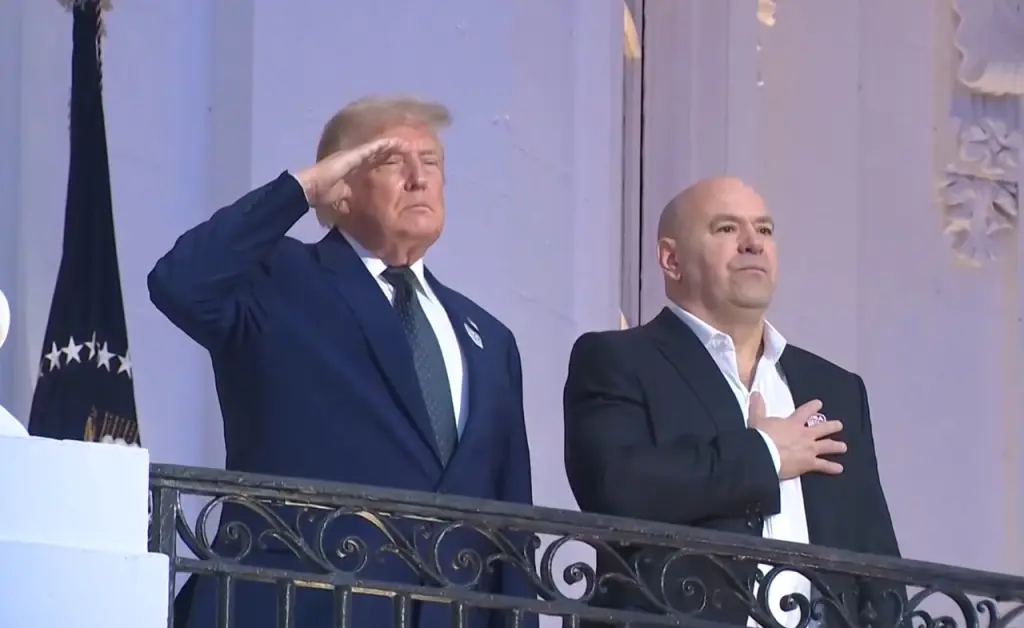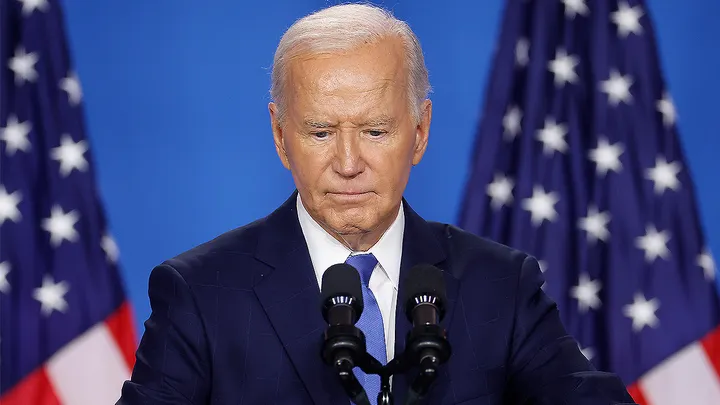
A former Biden campaign staffer is placing unusual blame inside Democratic ranks, arguing that former President Joe Biden’s decision to pursue reelection ultimately helped pave the way for President Donald Trump’s return to the White House — a criticism arriving as Biden allies reportedly work to rebuild public perceptions of his presidency.
According to a report from New York Magazine, the former staffer offered a blunt assessment of Biden’s political legacy and the consequences of his final campaign decision.
“I think it is very hard to ever get over the fact that he is responsible for the hellscape that we live in now,” the former campaign staffer said. “It is undeniable that his hubris cost us. He was an extremely impactful president who was successful in delivering tangible wins for Americans, but all of that is washed away.”
The comments reflect a growing debate inside Democratic circles over whether Biden remained in the race too long and whether party leadership ignored concerns that had been building for months.
The report highlighted Biden’s June 5 appearance at the South Dakota Democratic Party’s McGovern Day Dinner in Sioux Falls, where the 83-year-old former president spoke to roughly 1,200 Democrats as part of what some observers view as a broader effort to defend and reshape his political legacy.
Supporters of Biden argue that his administration delivered major legislative achievements and economic initiatives that they believe deserve stronger recognition. They contend that reducing the outcome of the last election to one individual oversimplifies larger political and cultural shifts that influenced voters.
Critics inside and outside the party see it differently.
They argue that questions surrounding political timing, succession planning, and leadership decisions became impossible to ignore. For those critics, the issue is not whether Biden achieved policy victories — it is whether insisting on another campaign prevented Democrats from adapting to changing political realities.
That internal frustration has become notable not because it comes from political opponents, but because it is emerging from voices that once worked to elect him.
And that may be the part Democrats find hardest to dismiss.
The controversy goes beyond one presidency or one election cycle. It touches a broader question of political accountability: when leaders overestimate their position, who ultimately pays the price?
As Democrats continue debating how they arrived at this moment, Republicans and Trump supporters are likely to point to these comments as evidence that concerns once dismissed as partisan attacks are now being voiced from inside the party itself. The debate over Biden’s legacy may continue for years — but for many voters, the focus remains less on history and more on who is trusted to lead next.