While much of the media is suddenly pretending Minnesota’s fraud crisis appeared out of nowhere, some outlets have been reporting on it long before it became politically inconvenient. Like Country Highway and City Journal, Alpha News has covered Minnesota fraud for years. And in early December—before Nick Shirley’s viral videos exposing alleged Somali daycare fraud—Liz Collin Reports interviewed a former TSA employee whose account suggests the problem was visible in plain sight all along.
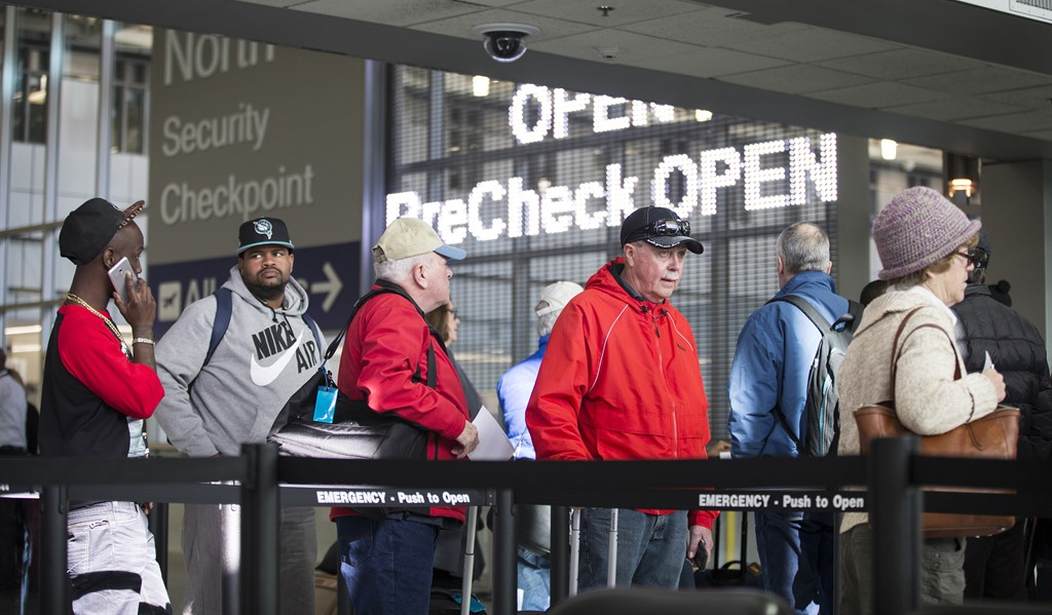
Liz Jaksa worked as a TSA agent at Minneapolis–St. Paul International Airport from 2016 to 2021. During her time there, she says she repeatedly noticed the same disturbing pattern at security checkpoints. Only years later, as fraud cases exploded across Minnesota, did she fully connect the dots.
“Since all this fraud came out, the connection’s been made,” Jaksa told Collin. “I didn’t feel good about it then, and now it certainly all makes sense.”
According to Jaksa, she routinely encountered suitcases filled with massive amounts of cash—sometimes millions of dollars at a time. She said the couriers were almost always Somali men traveling in pairs, and they passed through TSA checkpoints with little resistance.
Jaksa said these encounters weren’t rare. In fact, she claimed they happened weekly. Over her five-year tenure, she estimates that she may have seen upward of one billion dollars in cash pass through the airport.
She explained the process in detail: TSA agents would pull the bags for secondary screening, escort the individuals to a private room, and open the suitcases—only to find stacks of cash. Law enforcement officers would then arrive, take photos of identification, and possibly document travel details before allowing the travelers to continue. According to Jaksa, that means there should be a paper trail, along with extensive camera footage throughout the airport.
“If they’d like to find all this cash, they should start at the airport,” she said, adding that based on what she witnessed, enormous sums moved through MSP during her time there.
And it wasn’t just cash. Jaksa also recalled a separate incident involving a Somali man traveling with a carry-on bag filled with brand-new passports. Despite the obvious red flags, she said he was allowed to pass through security without issue. Where those passports ended up, she said, remains anyone’s guess.
Jaksa described feeling deeply uncomfortable while on the job, saying the frequency and ease with which these incidents occurred was alarming. “It wasn’t a one-time thing,” she said. “Time after time after time.”
That frustration, she added, hasn’t faded. If anything, it’s grown as state officials continue to deflect responsibility while fraud investigations pile up.
Jaksa didn’t mince words when asked who should be held accountable. She said Minnesota Gov. Tim Walz and Rep. Ilhan Omar should “resign in shame,” and the list doesn’t stop there. Minnesota Attorney General Keith Ellison also faces scrutiny, as do TSA supervisors and law enforcement officials—if Jaksa’s claims are validated.
If true, her account suggests a staggering level of institutional failure, if not outright complicity. And as this scandal continues to unfold, it raises serious questions about how long this corruption has been allowed to fester.
Predictably, legacy media and Democrats have responded by crying racism and claiming an entire community is being targeted. But critics note it becomes difficult to hide behind that argument when the alleged perpetrators, patterns, and court cases point consistently in the same direction. In one of the 2024 Feeding Our Future trials, Somali defendants even attempted to bribe a juror with cash while invoking race in an effort to influence the verdict.
The takeaway is simple: this isn’t about race—it’s about accountability. And as more firsthand accounts like Jaksa’s come forward, it becomes harder to ignore that Minnesota’s fraud problem didn’t happen overnight. It happened because too many people looked the other way for far too long.