
Just when Ukraine insists it’s cleaning house, another familiar name from its political past is back in the headlines—and not for the right reasons. Former Ukrainian Prime Minister Yulia Tymoshenko has been accused of orchestrating a scheme to bribe lawmakers with U.S. dollars in an alleged effort to weaken President Volodymyr Zelenskyy’s government.
Ukraine’s National Anti-Corruption Bureau confirmed on Jan. 13 that it uncovered an alleged attempt by the leader of an unnamed parliamentary faction to offer illegal benefits to members of parliament. Video released by authorities showed stacks of U.S. dollars seized during overnight searches, including footage from an office where a woman sat behind a desk. Officials didn’t name the suspect publicly, but the breadcrumbs didn’t take long to connect.
According to the Kyiv Post, published recordings allegedly reveal that three lawmakers were offered $10,000 per month in exchange for their votes. The case has been linked by some observers to Tymoshenko, a veteran politician, former prime minister, and current leader of the Batkivshchyna party—because in Ukrainian politics, the “former” part rarely stays former for long.
Former Zelenskyy press secretary and political advisor Iuliia Mendel told Fox News Digital that the cash allegedly belonged to Tymoshenko and was intended to pay lawmakers to vote against the president’s legislative proposals. Mendel noted that such deals in Ukraine are typically discussed in U.S. dollars—apparently even corruption prefers a stable currency.
Mendel added that Tymoshenko claimed the money was her personal savings, though the footage reportedly showed around $40,000. While that amount may sound modest compared to other corruption cases involving millions, it was allegedly enough to fund regular monthly payments aimed at coordinated voting against the government. Sometimes it’s not about the size of the bribe, but the damage it’s meant to do.
The raid on Tymoshenko’s party office reportedly lasted nearly all night, with officers arriving in the evening and remaining until morning. Investigators allege that several lawmakers—including some reportedly from Zelenskyy’s own faction—approached Tymoshenko, leading to discussions about ongoing payments in exchange for political loyalty. Unity, it seems, is always fragile when cash enters the room.
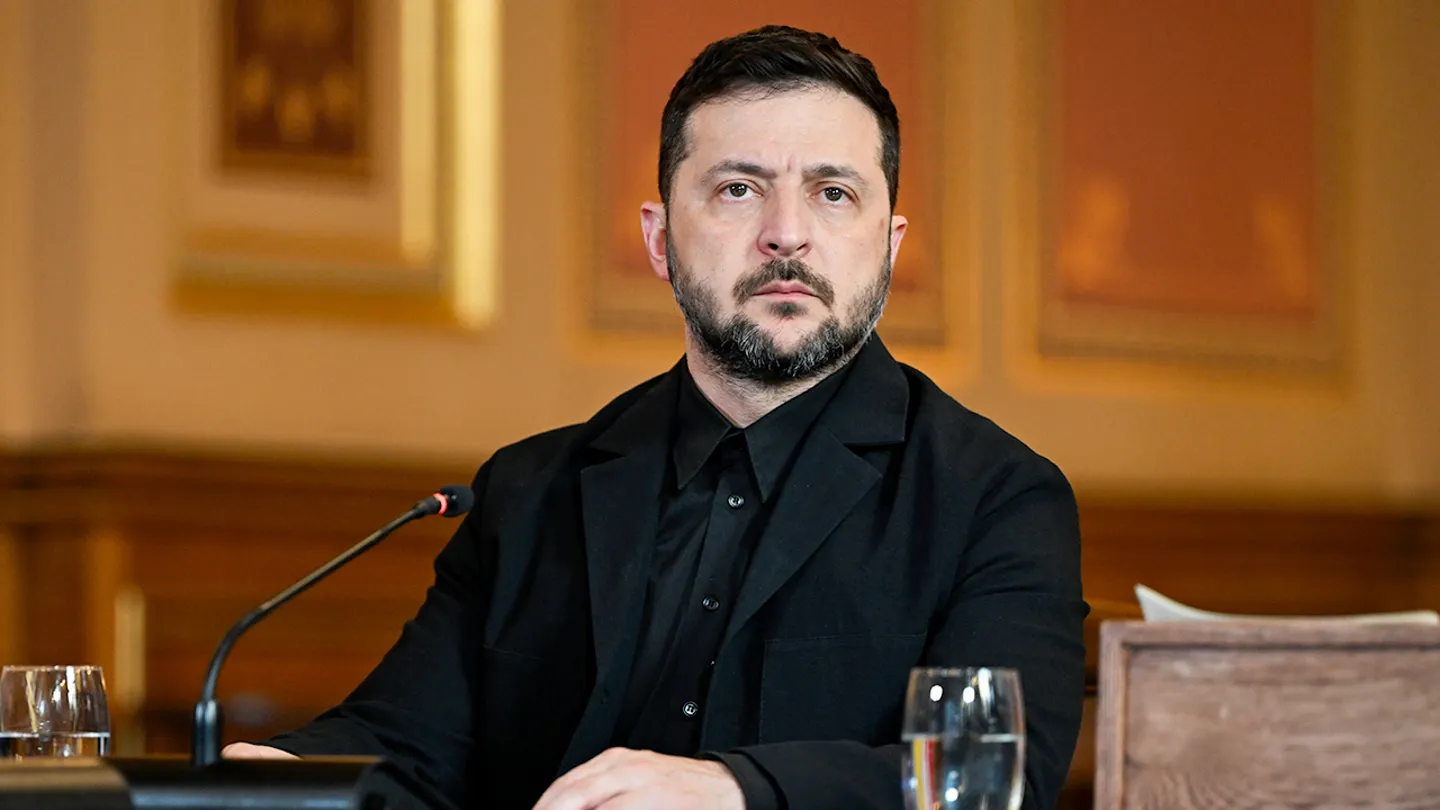
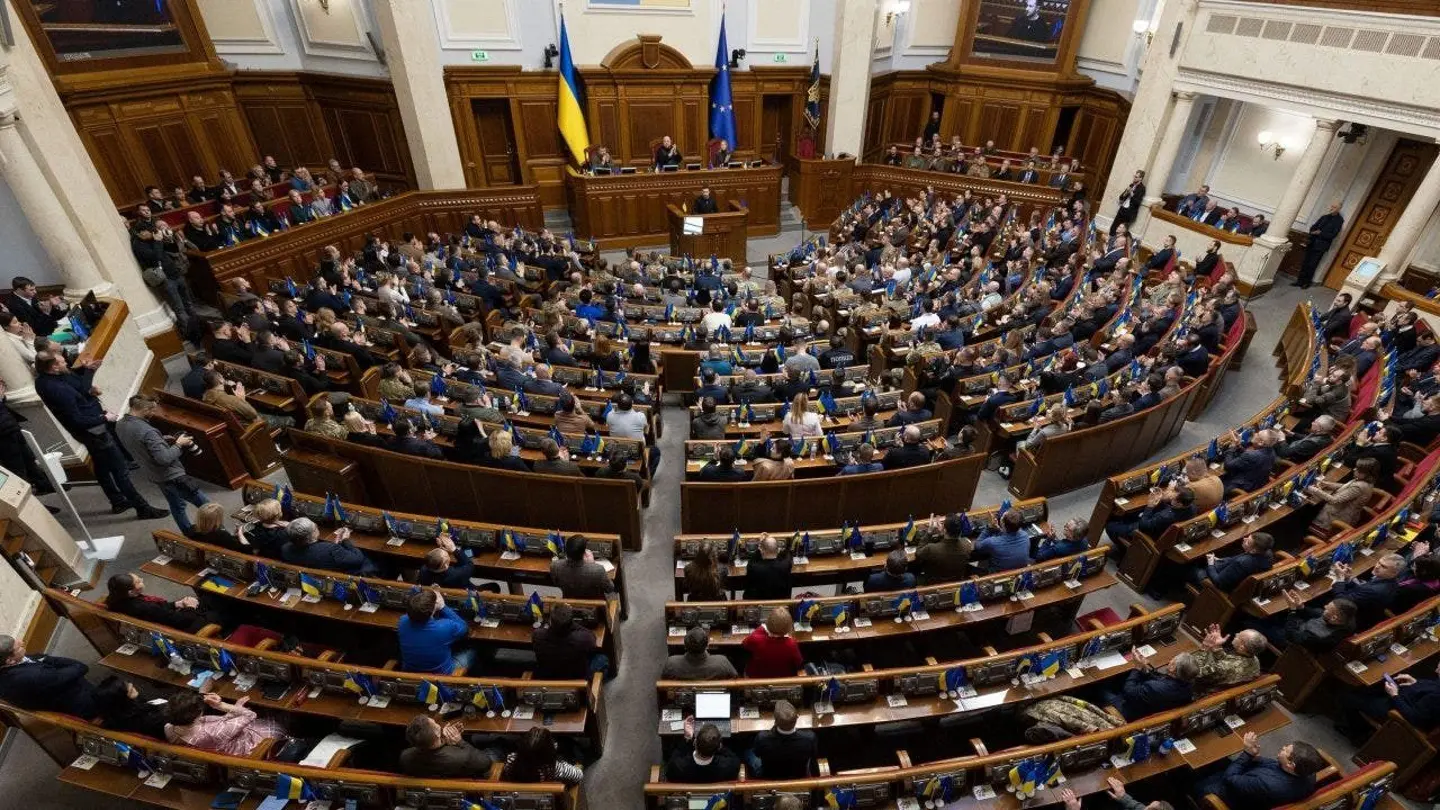
Despite reportedly receiving a notice of suspicion, Tymoshenko addressed parliament this week, calling the case “political persecution.” She also took to Facebook to dismiss the overnight searches as having “nothing to do with law and order.” That defense has a long tradition in politics—right up there with “this is all a misunderstanding.”
According to Mendel, the objective wasn’t to attack Zelenskyy personally but to fracture his ruling mono-majority in parliament. In Ukraine’s parliamentary-presidential system, controlling that majority allows legislation to pass quickly. Breaking it would significantly weaken Zelenskyy’s ability to govern—an outcome that would benefit rivals without ever winning an election.
Tymoshenko, a central figure in the 2004 Orange Revolution and Ukraine’s first female prime minister, has faced legal trouble before. She was jailed in 2011 over a gas deal with Russia in a case widely viewed as politically motivated and was released in 2014. Now, she is expected to appear before Ukraine’s High Anti-Corruption Court once again.
Mendel offered a blunt warning: corruption is one of the key reasons Ukraine is struggling, damaging its image internationally and undermining trust at home. By 2024, she said, corruption had reached such a scale that Ukrainians chose a painful but necessary path—exposing it publicly in order to fight it.
And while this latest scandal underscores just how deep the problem runs, it also shows something important: the allegations are coming to light, investigations are happening, and accountability is at least being attempted. In a region long plagued by backroom deals and cash-filled envelopes, that transparency—however messy—is still a step in the right direction.