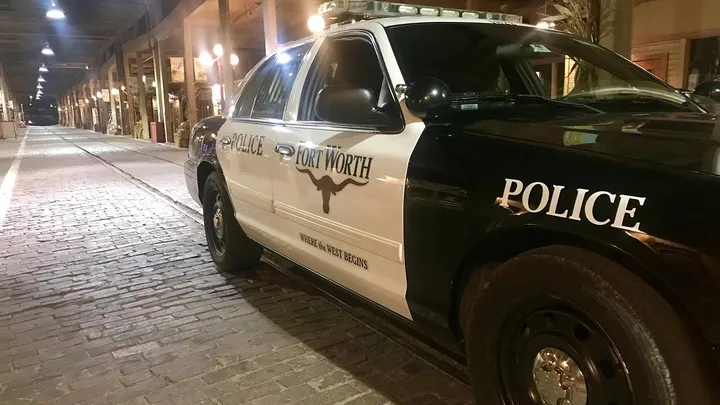
A routine noise complaint outside a Texas Pride festival has turned into a much bigger debate over free speech after the Fort Worth Police Department admitted one of its officers made inaccurate statements about the First Amendment during a viral confrontation with a Christian street preacher.
The incident unfolded on June 27 outside Trinity Pride Fest, where a Christian preacher was using a bullhorn to share his message near the event. Video of the exchange quickly spread online after an officer appeared to make remarks about the preacher's constitutional rights that drew widespread criticism from free speech advocates.
Facing growing scrutiny, the Fort Worth Police Department acknowledged that the officer made "certain statements that were not accurate" during the encounter. That admission addressed one of the central complaints raised after the video circulated, even as the department defended the enforcement action that followed.
According to police, officers responded after nearby business owners complained that the amplified sound was disrupting their operations and driving away customers. Authorities said the issue was not the preacher's religious message but the volume created by the bullhorn.
The department stated that officers warned the preacher that continued use of the amplification device would violate the city's noise ordinance. After he continued using the bullhorn, police issued a disorderly conduct citation, saying it was based on the alleged violation of the city's noise regulations rather than the content of his speech.
The distinction matters. The First Amendment protects religious and political expression, including speech that others may find offensive or unpopular. At the same time, governments may enforce content-neutral restrictions such as reasonable noise ordinances, provided those rules are applied equally regardless of the speaker or viewpoint.
Still, the department's acknowledgment that an officer misstated constitutional protections has fueled broader questions about whether law enforcement officers receive sufficient training on Americans' First Amendment rights. When government officials misunderstand those protections, public confidence can erode quickly—especially in politically and culturally charged settings.
For many conservatives, the incident serves as another reminder that constitutional freedoms must apply consistently, regardless of the audience or the message. Whether speech is welcomed or unpopular, protecting the First Amendment remains one of the clearest tests of equal justice under the law—and a responsibility no public official should get wrong.