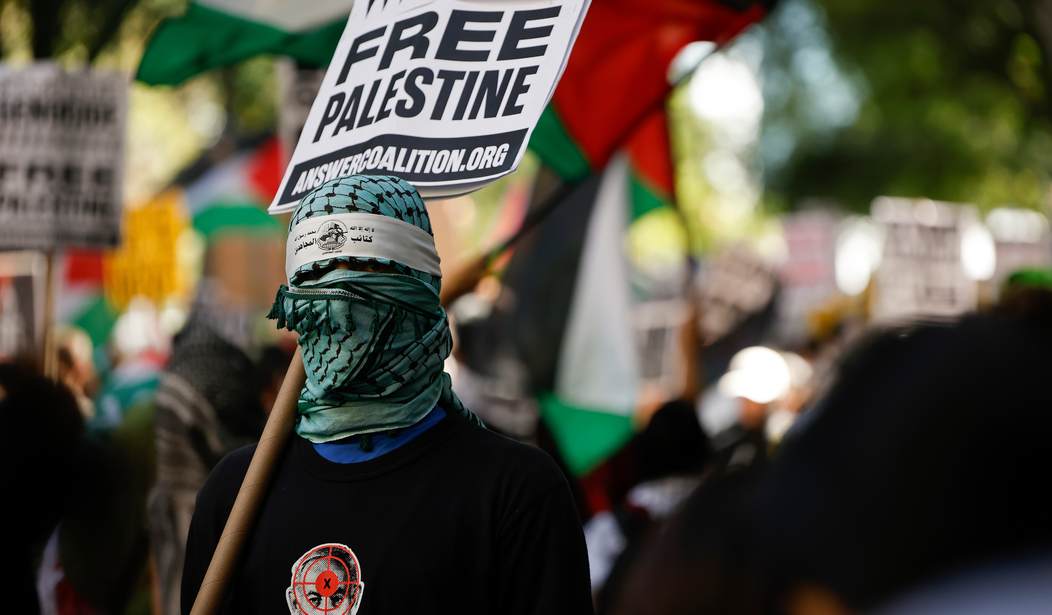
Four members of Palestine Action were sentenced on June 12, 2026, following their involvement in a violent attack targeting Elbit Systems facilities in the United Kingdom—an incident that resulted in serious injuries to a police officer, including a fractured spine.
The case centered around actions directed at Elbit Systems UK (ESUK), an independent subsidiary of Israel’s largest defense contractor, Elbit Systems Ltd. According to the reported details, ESUK operates nine facilities across the United Kingdom and manufactures equipment exclusively for the UK Ministry of Defence and other non-Israeli customers.
The attack escalated beyond protest and led to severe consequences for law enforcement personnel responding to the incident. Most notably, one police officer suffered a fractured spine during the confrontation, turning what supporters may describe as activism into a case involving significant violence and criminal penalties.
The sentencing marks another moment in the broader debate over where political demonstration ends and unlawful conduct begins. Governments routinely protect the right to protest, but criminal courts tend to draw a much sharper line once physical harm enters the picture.
For observers focused on public order and national security, the case serves as a reminder that disputes over foreign policy do not remove accountability for actions taken at home. Demonstrations may seek attention—but courtrooms usually decide where the limits are.
With the sentences now handed down, attention turns toward enforcement and whether authorities continue taking a firmer approach toward incidents that move from protest into violence.