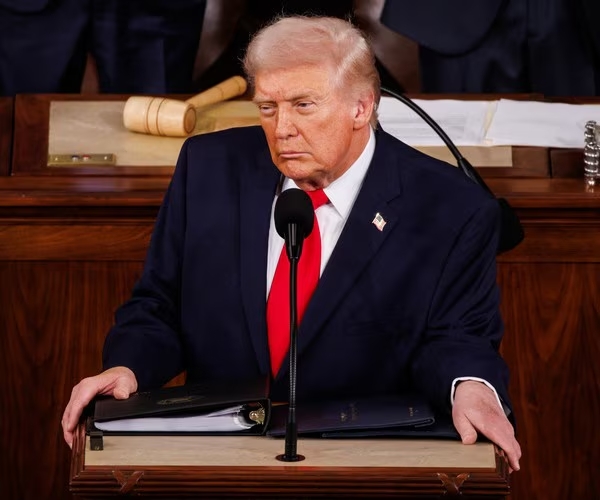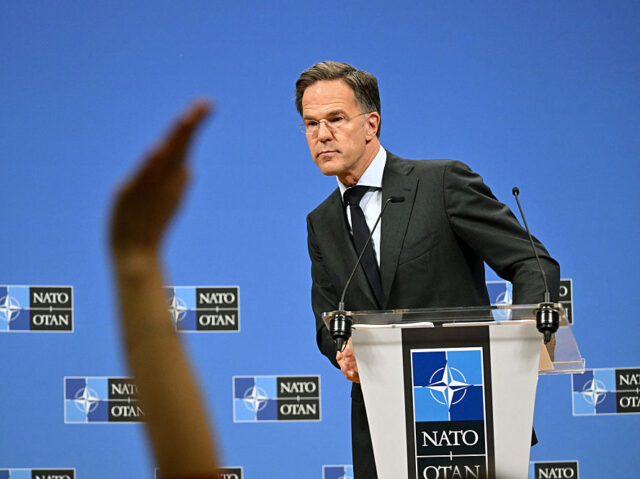
NATO Secretary General Mark Rutte is praising President Donald Trump’s Iran agreement as a major step toward regional stability, arguing that the deal strengthens international security and helps ensure Iran never becomes a nuclear power.
Speaking Wednesday ahead of a NATO defense ministers meeting, Rutte welcomed the agreement and pointed specifically to the reopening of the Strait of Hormuz, describing the development as a “massive step forward.”
The comments represent a notable show of support from one of the world’s most influential defense leaders as attention turns to what the agreement could mean for global security, energy markets, and future stability in the Middle East.
According to Rutte, preventing Iran from obtaining nuclear capabilities remains a critical objective, and he framed the agreement as an important contribution toward that goal.
Rutte also indicated that NATO stands prepared to assist in securing the Strait of Hormuz if requested. The waterway remains one of the most strategically important trade routes in the world, making stability there a matter of concern not just for the region but for economies across the globe.
The endorsement adds international weight to the administration’s argument that diplomacy backed by strength can achieve outcomes that prolonged instability cannot. While critics and supporters will continue debating the details, public praise from NATO leadership gives the agreement additional credibility on the global stage.
The reopening of Hormuz also carries broader economic implications. Lower uncertainty around shipping routes and energy transit tends to calm markets and reduce pressure on global supply chains—something consumers and businesses rarely complain about, even if policy experts manage to find a way.
For supporters of the administration, Rutte’s remarks reinforce the idea that strong leadership and direct negotiation can produce results with international consequences. Rather than another endless cycle of escalation, the agreement is being presented as an opportunity to reduce tensions while maintaining security objectives.
As discussions continue and implementation moves forward, NATO’s public support signals that allies are watching closely—and at least in this case, some appear to believe the agreement represents more than diplomacy. They see it as a meaningful step toward greater security and stability for everyone involved.