When the world’s leading economies convened at the G20, a crucial opportunity arose to address the rampant issues of excess industrial capacity and forced labor—issues that consistently undermine fair trade and American jobs. Yet, despite widespread concern, the gathering of trade ministers ended in predictable disunity, leaving the United States to once again champion accountability on its own.
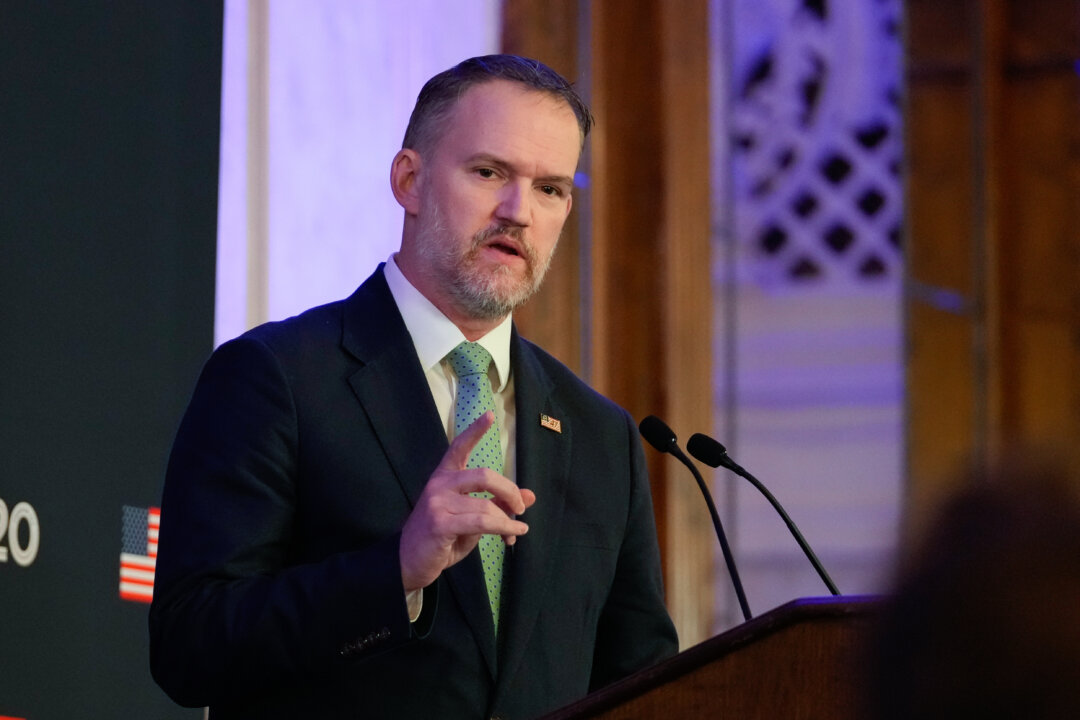
U.S. Trade Representative Jamieson Greer confirmed on October 1 that while G20 nations managed to agree on condemning food trade coercion, they remained sharply divided on how to confront the twin scourges of industrial overcapacity and forced labor within global supply chains. This split highlights a troubling reluctance among some nations to challenge practices that directly benefit authoritarian regimes and harm competitive markets.
Speaking to reporters after the two-day ministerial meeting in Milwaukee, Mr. Greer revealed that although many ministers voiced concerns about the global glut of industrial capacity—a phenomenon that drives down prices and threatens domestic industries—they ultimately failed to forge a common path forward.
"Nearly all countries agree that this is an issue that requires action, and nearly all countries agree that our current system of trade remedies or responses is inadequate to solve this problem," Mr. Greer stated. This admission underscores a global paralysis, where the problem is recognized but meaningful collective action remains elusive.
In the face of this inaction, the United States, under an America First philosophy, is not waiting for reluctant partners. Mr. Greer affirmed that the U.S. will continue to work with "like-minded trading partners" to tackle overcapacity, but pointedly noted that it has already taken decisive unilateral tariff measures to shield American industries from unfair competition. This proactive approach is a stark contrast to the G20’s general indecision.
The issue of forced labor in global supply chains also proved to be a critical breaking point for G20 consensus. This failure to unite on such a fundamental human rights issue is telling, especially given the clear evidence of widespread forced labor practices in countries like China. The United States has already acted, imposing tariffs ranging from 10 percent to 12.5 percent on 60 trading partners in July over their alleged failure to prevent imports tainted by forced labor.
European Trade Commissioner Maros Sefcovic echoed these concerns, supporting discussions on concrete steps to address industrial overcapacity. He specifically highlighted how Chinese exports are jeopardizing key European sectors, including critical auto and steel industries.
"Now we are at the stage where, because of these overcapacities and turbulence on the global market, [it] can create such flooding of the markets that whole sectors could be put in danger within a couple weeks or months," Sefcovic warned, illustrating the dire stakes for national economies.
China, a G20 member and the primary driver of global overcapacity, predictably rejected these claims, instead accusing Western nations of using the issue to justify "protectionist measures." This classic deflection attempts to shift blame from its own state-sponsored industrial policies designed to flood global markets.
U.S. Trade Representative Greer had previously told Fox News in July that the U.S. government had launched an investigation under Section 301 of the Trade Act of 1974, specifically targeting excess industrial capacity in countries such as China, which could pave the way for additional tariffs.
"They have industrial policies to give subsidies to their companies, so they don’t have to make a profit, and they can sell and dump manufactured goods in the U.S.," Greer explained, laying bare the predatory tactics that undermine free and fair trade.
The G20’s inability to address these foundational economic threats demonstrates a clear divide between nations committed to free markets and those who either enable or directly engage in unfair trade practices. America’s resolve to protect its industries and uphold moral principles in trade remains unwavering, a testament to the enduring strength of the America First agenda, even when globalist forums falter.