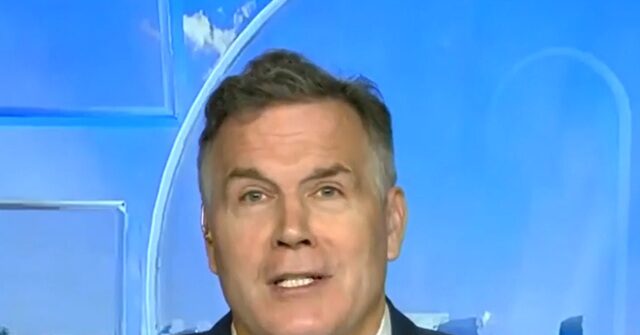
U.S. strikes targeting suspected drug-trafficking boats in the Caribbean and eastern Pacific are doing exactly what they’re supposed to do—disrupting cartel supply chains and tightening the vise on Venezuelan dictator Nicolás Maduro, according to retired U.S. Army Lt. Col. Darin Gaub and Heritage Foundation senior research fellow Brent Sadler.
Speaking Friday on Newsmax’s “The Record With Greta Van Susteren,” with guest host Mercedes Schlapp, Gaub made clear the mission isn’t to magically erase the drug trade overnight—but it is absolutely making cartels and their political protectors feel the pain.
“First of all, you’ve interdicted the supply chain, and that in and of itself is already an impact on the drug trade,” Gaub said. While acknowledging trafficking won’t disappear entirely, he stressed the strikes are significant enough to hurt cartel operations and send a very loud message.
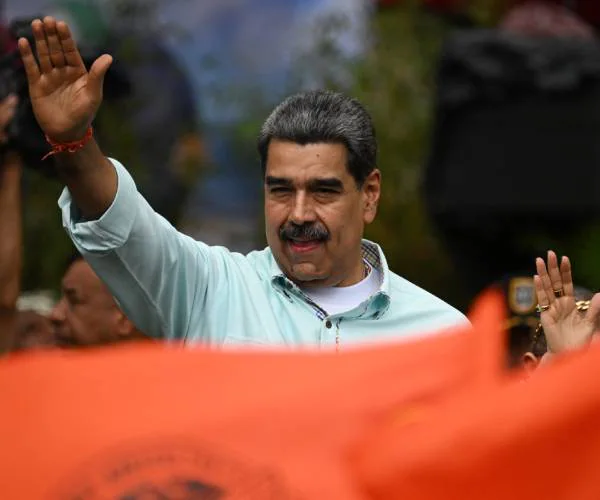
Gaub pointed to Maduro’s recent claim that he’s suddenly open to “serious” talks with the United States as proof the pressure is working. Not long ago, that kind of language out of Caracas would have been unthinkable.
“That’s not Maduro thinking that he’s suddenly an anti-drug, anti-narcotics trafficking person,” Gaub said. “That’s a guy who’s trying to preserve what he’s built in that country over the years before he loses all of it.” Translation: when the money and protection dry up, the strongman starts talking.
According to Gaub, the maritime strikes are hitting Maduro where it hurts most—his finances and internal security, both of which depend heavily on trafficking revenue. His recommendation was blunt and unapologetic: “Keep doing it. Sink more.”
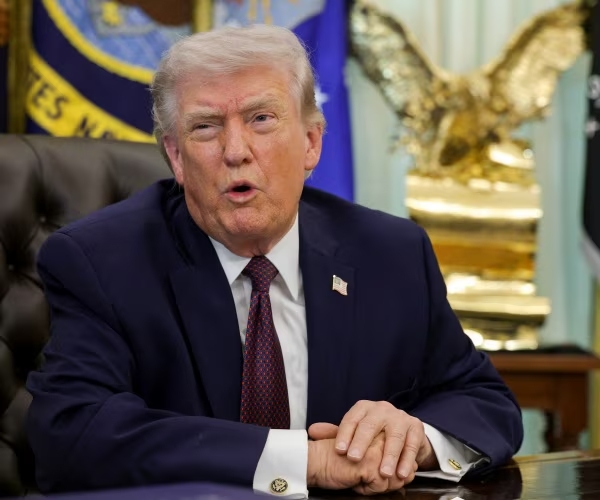
Sadler echoed that assessment, saying sustained pressure from the Trump administration is producing both practical and psychological effects on the regime. He noted that Maduro’s recent video statements appeared to be filmed from inside a moving vehicle—hardly the posture of a confident leader.
“Clearly the pressure is working,” Sadler said, explaining that cartel logistics networks are most vulnerable when operating in international waters and airspace. Continued interdictions in the Caribbean and eastern Pacific, he said, are essential—even as traffickers try to adapt.
Sadler warned that drug routes extend far beyond those regions, running through Chile, Brazil, and Uruguay, across the Atlantic to West Africa, and eventually into European markets. He urged expanded maritime and aerial operations to account for those routes.
“The cartels are going to try and survive,” Sadler said, describing Maduro as “part of the protection racket that they rely on.”
He added that U.S. pressure should also target Venezuela’s illicit oil networks, another major revenue source keeping the regime afloat.
Both Gaub and Sadler agreed that by hitting trafficking and smuggling operations, the U.S. is forcing Maduro into a defensive posture, giving Washington real leverage as it weighs whether any talks with Caracas could produce tangible results.
Once again, decisive action—not empty statements—is proving effective. The pressure campaign is working, the cartels are feeling it, and Maduro is running out of room. That’s what strong leadership looks like, and it’s a strategy that’s clearly moving in the right direction.