NUUK, Greenland — For decades, Denmark has marketed itself to the world as a model of enlightened governance and humanitarian values. But for many Indigenous Greenlanders, that image collapses the moment history — and lived experience — enters the conversation.
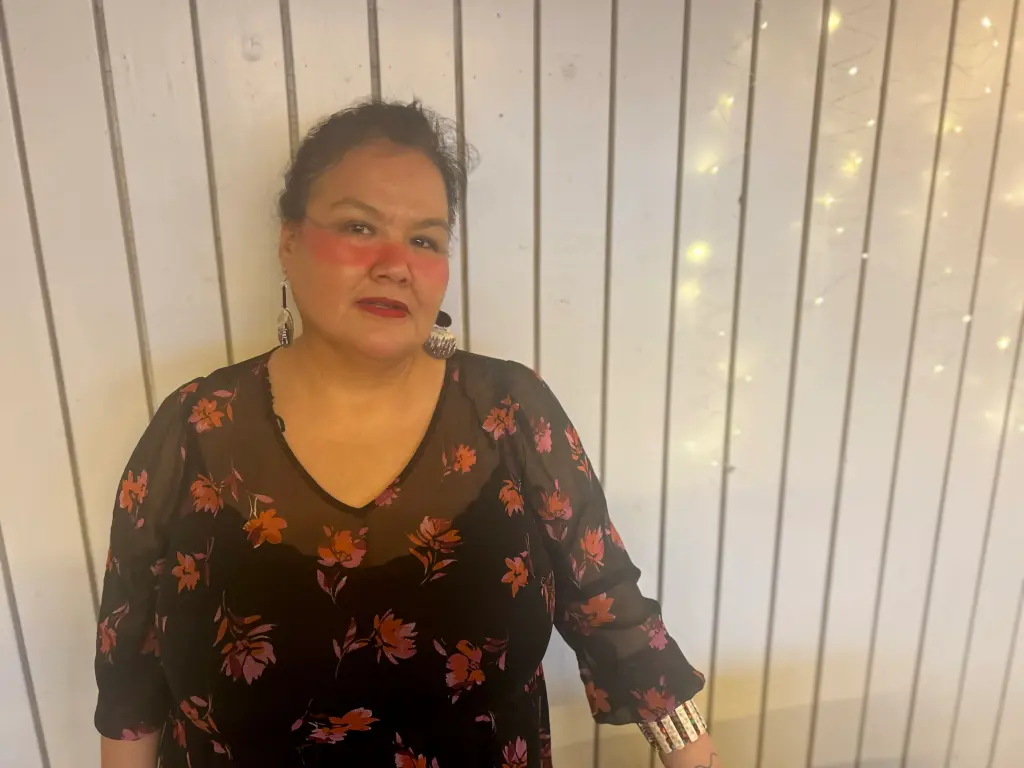
Amarok Petersen was 27 years old when she learned why she would never have children. A doctor, investigating years of unexplained pain and severe uterine problems, discovered an intrauterine device embedded in her body — one she never consented to, never knew existed.
Danish doctors implanted it when she was just 13 years old.
It wasn’t for her health. It was for population control.
“I will never have children,” Petersen said, fighting back tears. “That choice was taken from me.”
Her story is not an isolated tragedy. It is part of a state-run policy that targeted thousands of Indigenous Greenlandic girls and women for forced sterilization and birth control — a program Denmark officially apologized for only last year, long after the damage was done.
And apologies, it turns out, don’t undo stolen lives.
A Colonial Past That Never Ended
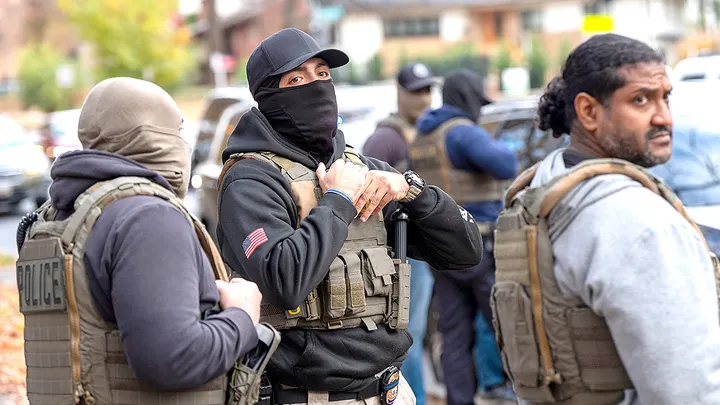
This week, Denmark hosted European military exercises on Greenland, claiming it was defending the island from “external threats,” particularly the United States. But for many Inuit residents, the real threat has always been closer to home.
“The Danes don’t see us as humans,” Petersen said bluntly. “They think we’re too expensive, too small a population. But they take our land, our children, our lives — and expect thanks.”
Even after the IUD destroyed her health, medical decisions continued to be made without her consent. Years later, Petersen discovered her fallopian tubes had been removed during surgery in the early 2000s — something no one bothered to tell her at the time.
Her family was also impacted by Denmark’s infamous “Little Danes experiment,” a mid-20th-century program that forcibly removed Greenlandic children from their families and sent them to Denmark for adoption or institutionalization — often permanently.
“They wanted us smaller,” Petersen said. “Easier to manage.”
That program ran for decades. It wasn’t an accident. It was policy.
Reparations That Insult the Victims
In December, Denmark announced compensation for victims of forced sterilization — about $46,000 per woman.
To Petersen, it felt like another slap in the face.
“They destroyed generations,” she said. “And now they say, ‘Here — be quiet.’”
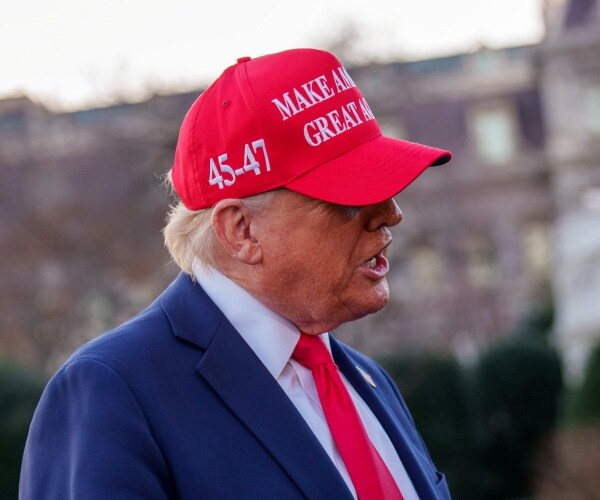
The timing is no coincidence. Greenland has become geopolitically valuable again, drawing renewed attention from Washington. President Donald Trump’s interest in purchasing the island sparked outrage in Copenhagen, where officials insist “Greenland is not for sale.”
But many Greenlanders say that slogan hides an inconvenient truth: Greenland still isn’t free.
“Denmark speaks for us. Denmark decides,” Petersen said. “They don’t let us speak.”
That imbalance was on full display recently in Washington, where Denmark’s foreign minister dominated a press conference following talks with U.S. officials — while Greenland’s own foreign minister barely got a word in.
Economic Exploitation, Same Old Story
Nowhere is the colonial reality clearer than in fishing — Greenland’s economic backbone.
Elias Lunge, a fisherman with four decades of experience, says Greenlanders do the work while Denmark and multinational corporations take the profit.
“We fish the cod,” Lunge explained. “It’s frozen whole, shipped out, processed elsewhere, and sold for much more.”
In remote settlements, fishermen are paid as little as $1.86 per kilo. In Nuuk, that same fish sells for nearly 60 percent more. Once processed abroad, the value skyrockets.
“It’s our fish,” Lunge said. “Why shouldn’t the money stay here?”
Not Denmark. Not America. Independence.
Despite renewed U.S. interest, Greenlanders interviewed made one thing clear: they’re not interested in trading one overseer for another.
They want independence — real independence — after generations of trauma, exploitation, and political sidelining.
Danish officials insist Greenlanders wouldn’t vote to join the United States anyway, claiming America wouldn’t bankroll a “Scandinavian welfare system.” But that misses the point entirely.
Greenlanders aren’t asking to be bought.
They’re asking to be heard.
For a country that prides itself on human rights, Denmark’s record in Greenland tells a far darker story — one of control, coercion, and quiet cruelty hidden behind polite smiles and bureaucratic language.
And as Greenlanders finally speak out, one message is becoming impossible to ignore:
This wasn’t partnership.
It was colonialism — and the bill is long overdue.