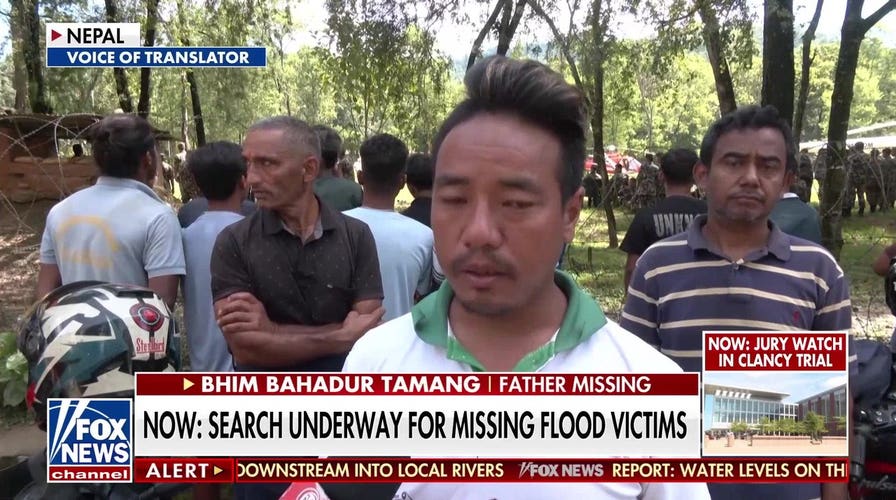
A catastrophic wave of mudslides and flash floods along the rugged Nepal-China border has left a trail of unimaginable devastation, with the death toll surging past 670 and nearly 3,000 people reported missing. Among those still unaccounted for are dozens of American citizens, a sobering reminder of the global reach of such natural disasters and the urgent need for effective international response.
As rescue operations grapple with the unforgiving terrain and relentless poor weather, the grim figures continue to mount. Nepali authorities confirmed a death toll of 669 with 2,426 missing on their side, while Chinese officials in Tibet have reported seven dead and over 550 missing. These numbers underscore a humanitarian crisis demanding immediate and coordinated action.

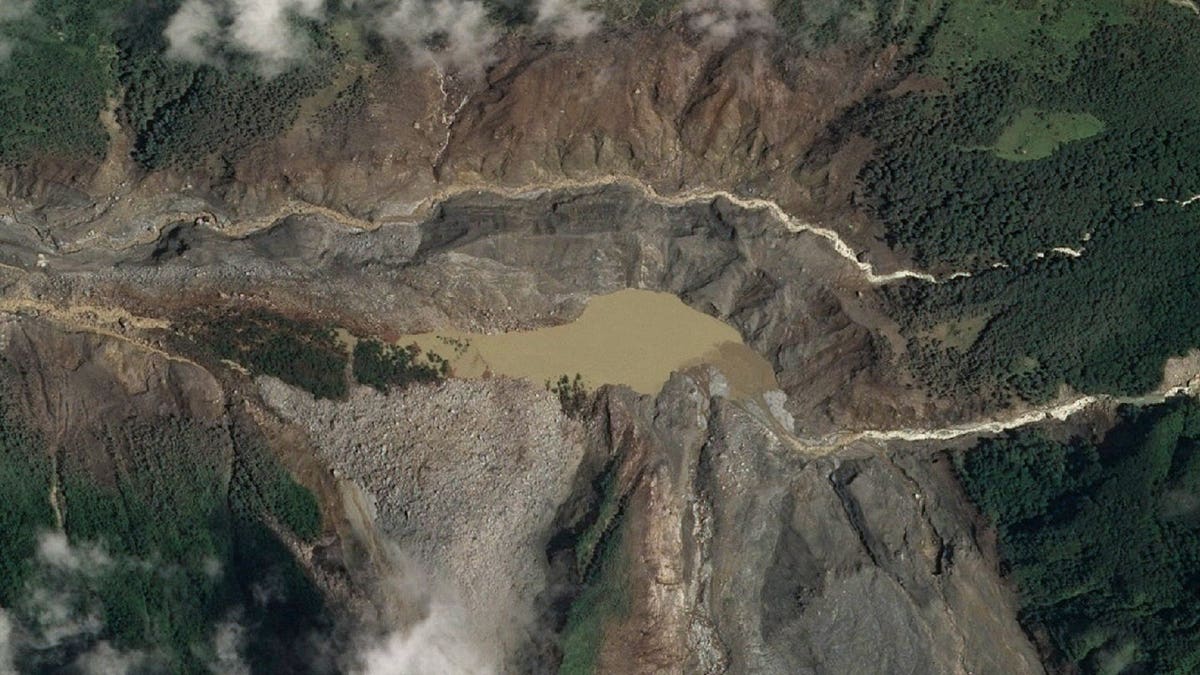
Experts point to a massive chunk of ice breaking off a glacier and plummeting into the Lhende Khola River as the likely catalyst for Wednesday's tragedy. The resulting deluge triggered widespread mudslides and flash flooding, engulfing villages and infrastructure. Rescue efforts face formidable challenges, with critical roads damaged, communication lines severed, and intermittent rain forecast to persist through the weekend.
“Search and rescue operations have been temporarily halted because it is raining, and the weather is foggy,” said Narendra Pariyar, a top official for Nepal's Rasuwa district, detailing the harsh realities confronting aid workers on the ground. These conditions not only endanger rescuers but also dim the hopes of finding survivors.
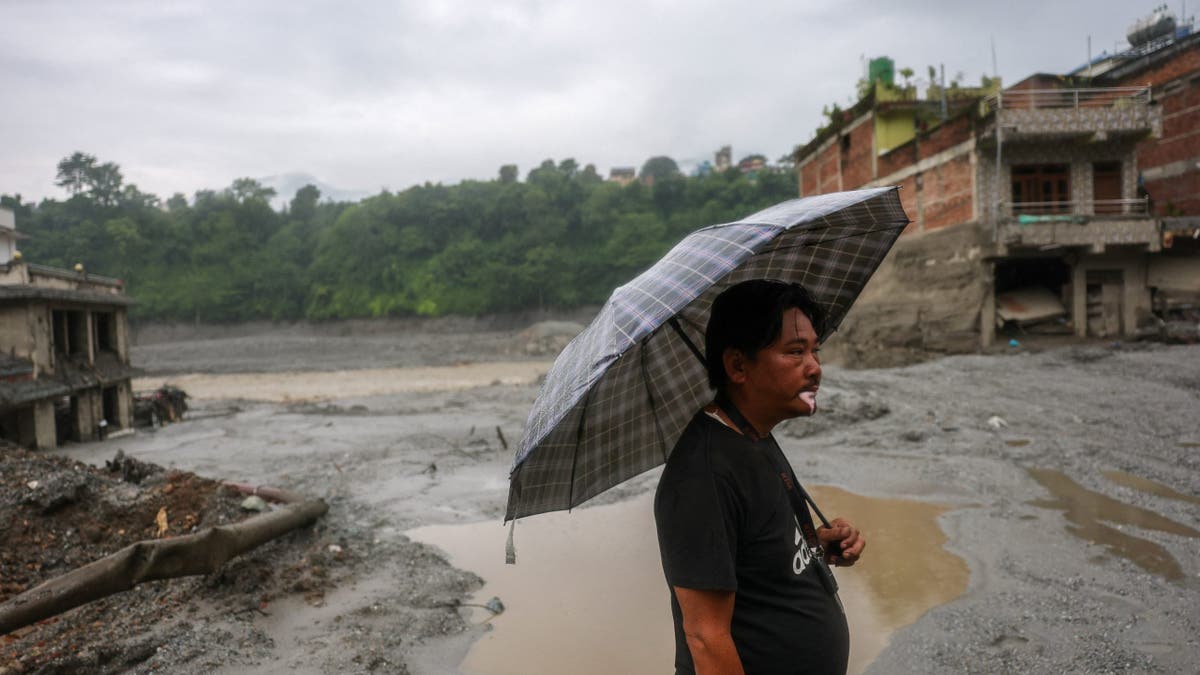
With up to 100 people feared trapped inside a mud-filled hydropower plant tunnel, Nepal has specifically appealed to China for specialized tunnel experts. “We have already made requests for such specialised services and technical assistance in areas where we don't have enough expertise and technical know-how,” Nepali Foreign Minister Shisir Khanal stated, highlighting the critical need for advanced capabilities.
In a welcome display of cross-border cooperation, China swiftly dispatched five such workers from Tibet by helicopter to assist in the perilous recovery efforts, a vital contribution in a race against time. Harrowing video has emerged, showing authorities battling the elements to pull individuals from the viscous mud, a testament to the bravery of those on the front lines.

Despite the ongoing rainstorms that threaten to further complicate rescues, officials report one glimmer of good news: a previously overflowing lake that had formed on the border and posed an additional flood risk has now substantially subsided, easing immediate fears of another catastrophic surge.
Looking ahead, Nepal's finance minister Swarnim Wagle estimates the nation will require over $4 billion to rebuild from the widespread destruction. This monumental cost underscores the long road to recovery that lies ahead for a region already grappling with immense challenges. The scale of human suffering and the path to reconstruction in the wake of such a devastating natural disaster remind us of the enduring fragility of life and the resilience of communities in the face of unimaginable loss, a testament to the human spirit that demands our full attention and support.