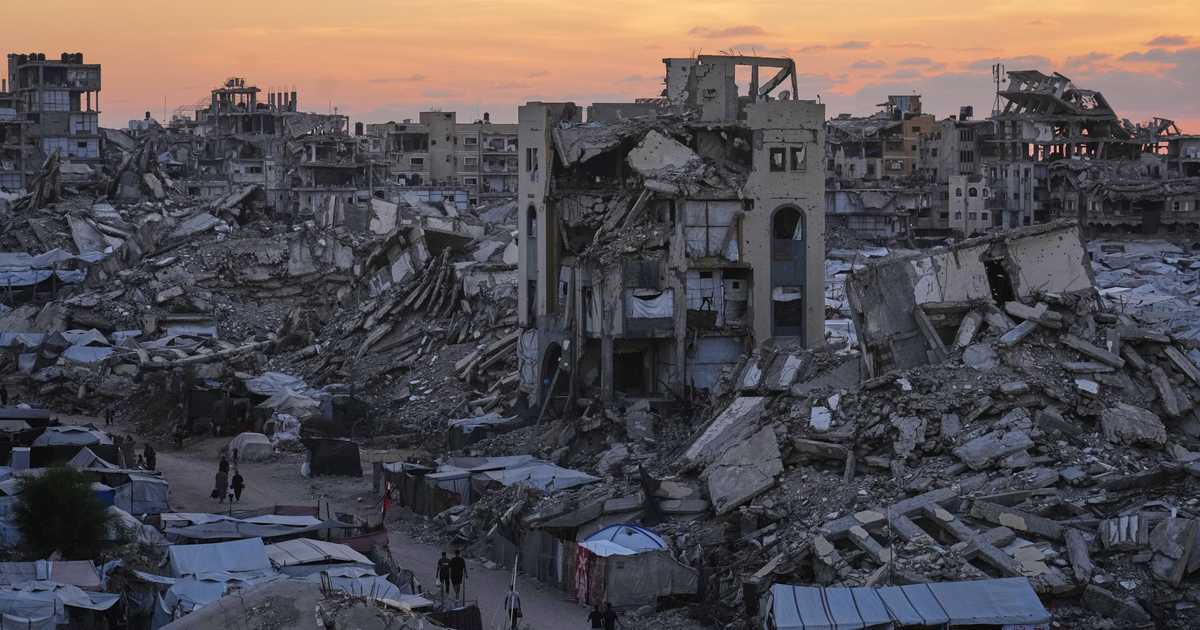
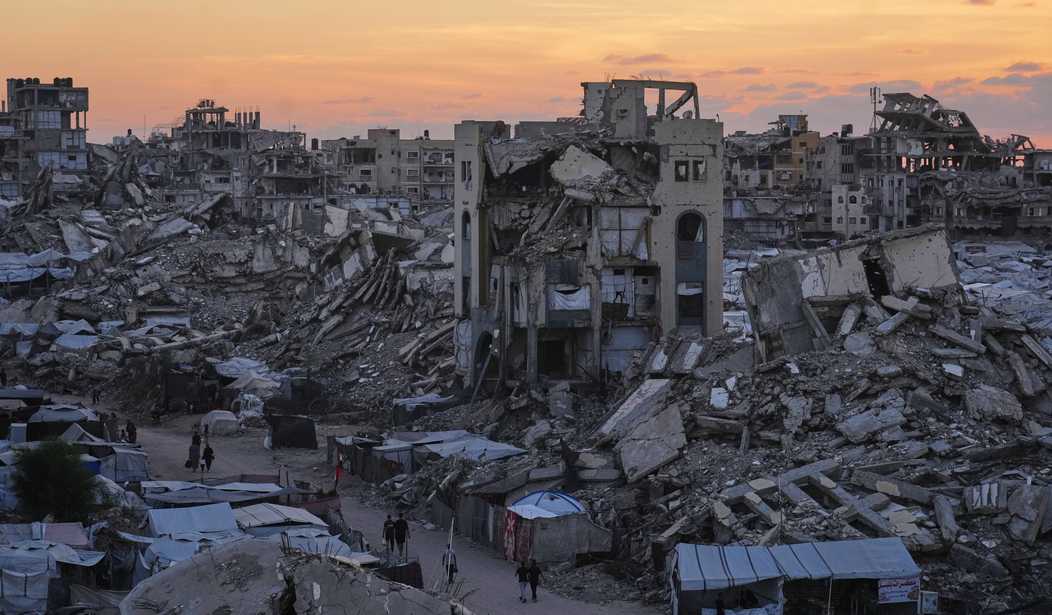
Donors thought their money was feeding starving people in Gaza. Prosecutors tell a starkly different story: a staggering $1.7 million of those funds allegedly flowed directly to the designated terrorist group Hamas. Now, two Louisiana brothers face grave federal terrorism charges, their alleged fundraising network exposed by a relentless undercover NYPD officer.
Abdel Adhami and Omar Adhami were arrested in September, facing material support and wire fraud charges. Abdel also stands accused of money laundering, allegedly pushing over $81,000 through two PayPal accounts and an additional $2,000 via Western Union. The man they were reportedly sending the money to, Saleem Alzaq, is now also under federal indictment in New York.
Alzaq's campaign, a seemingly innocent plea for food and winter necessities for Palestinians, successfully pulled in over $1.7 million. A significant portion — at least $626,000 — came from unsuspecting donors in the United States. The Adhami brothers' transfers were a critical part of this alleged scheme. What donors believed was humanitarian aid, federal officials say, was nothing more than a lifeline for terrorists.
For far too long, questioning the flow of funds to Gaza was framed as an insensitive, even bigoted, act. This case serves as a chilling vindication of that necessary scrutiny, revealing precisely what those "humanitarian" concerns were truly about.
Private messages, however, painted a different picture. Abdel allegedly messaged Omar on WhatsApp, instructing him to use coded language when discussing money for fighters. The word "bread" would suffice, a convenient cover for financing terror. "Don’t mention anything by its name on WhatsApp, and use the word ‘bread’ instead," the message allegedly read, a clear attempt to evade detection by law enforcement.
This coded "bread" repeatedly surfaced in the alleged discussions about Hamas funding. So did "the Green," according to prosecutors. Alzaq himself allegedly informed an undercover officer that he could deliver money to the terror group, but documenting the delivery would be difficult, as Hamas members deliberately avoided identification. Send the money, but don’t expect a receipt — a convenient arrangement for those operating in the shadows.
The intricate web began to unravel in November 2025 when an undercover NYPD employee contacted Alzaq. Alzaq reportedly referred the supposed donor to Abdel, who then offered a shocking proposal: process a donation through his store's credit card system, disguising it as a purchase, then transfer the funds. Abdel allegedly followed this brazen offer with a deceptive reassurance, recorded in the affidavit: "But do not worry. Everything is legal, God willing." The "supposed donor" was, of course, a police officer. Abdel now faces serious federal charges.
Alzaq's indictment further highlights the audacity of the scheme, mentioning his initial appeal for injured Gazans on October 7, 2023 — the very day Hamas unleashed its barbaric attack on Israel. He allegedly posted propaganda celebrating the atrocities. By the following October, Alzaq was reportedly issuing specific instructions to PayPal donors: omit any references to Hamas or "Free Palestine" to prevent account closures. The pattern of deception is clear.
The Louisiana brothers are not isolated incidents. In July, British authorities arrested Mohammad Yousef Hasna, a charity director in Turkey. The Justice Department accused him of allegedly funneling money and supplies to Hamas leaders, all disguised as humanitarian work. Same playbook, different continent. This model of exploiting charitable intentions for terror funding keeps surfacing in prosecutions because, tragically, it keeps working.
The alleged offer from Abdel to the undercover officer — charging a donation as a store purchase to facilitate a covert transfer — encapsulates the entire fraudulent scheme. Donors were fed a narrative of helping the needy, while their hard-earned money allegedly fueled a terror organization. And the individuals collecting it went to considerable, deceptive lengths to ensure no one could tell the difference. This case is a stark reminder of the constant vigilance required to safeguard our national security and prevent American generosity from being weaponized against freedom-loving people around the globe.