In a grim testament to the utter failure of politically convenient fictions, a much-touted International Stabilization Force (ISF) for Gaza—originally envisioned as a robust 20,000-strong peacekeeping presence—is reportedly struggling to deploy a mere handful of initial troops. This staggering shortfall isn't just a logistical hiccup; it exposes the fundamental flaw in any strategy that refuses to confront the core issue: the unyielding terrorist grip of Hamas.

The force's initial promise was clear: secure Gaza and, crucially, prevent Hamas from rebuilding its military machine. Yet, as regional instability flares thanks to malign actors like Iran and its proxies, recruitment efforts have all but collapsed, leaving a void where true security should be.
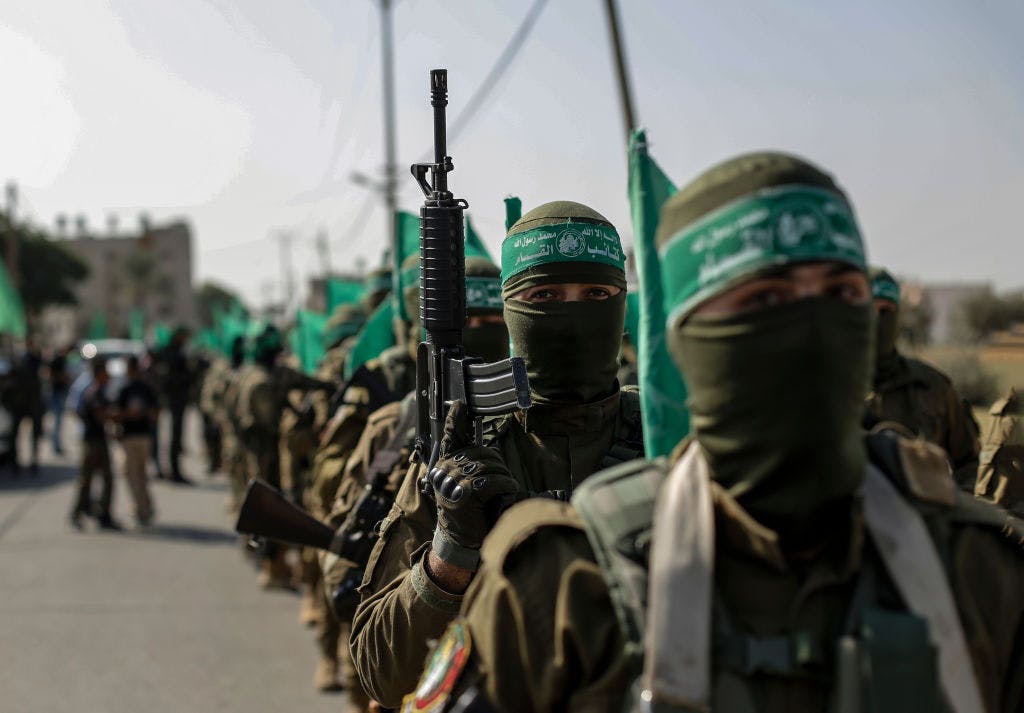
Adding insult to injury, Hamas recently made a show of political maneuvering. The terror group announced its governing body would supposedly step down, transferring "administrative authority" to a United Nations-backed Palestinian technocratic council. Sounds promising, right? Here's the catch—and it's a critical one: Hamas conspicuously refused to commit to disarming its military wing.
This isn't a step towards peace; it's a classic terrorist play, aiming to legitimize its political front while retaining the very weapons that enable its jihadist agenda. Critics are quick to label it what it is: an attempt to replicate the "Hezbollah model," where a civilian administration handles mundane tasks like garbage collection, leaving the real power—and the real weapons—firmly in the hands of terrorists.
Israeli Foreign Minister Gideon Saar minced no words in condemning this dangerous charade, laying bare Hamas's deception and underscoring the urgent need for genuine action:
Hamas’s trick is simple. Hamas’s apparent willingness to "make room" for a technocratic government is designed to prevent its own disarmament. Hamas seeks to replicate the "Hezbollah model" in Gaza: a technocratic administration would be responsible for garbage collection and other municipal services, while Hamas would remain the dominant military force.
As long as Hamas retains its weapons, any civilian government will of course operate as Hamas dictates. This would allow Hamas to continue oppressing the Palestinian people in Gaza, while pursuing its jihadist war against Israel. Israel insists on the full implementation of the Trump plan, with its core principles being the disarmament of Hamas and all other terrorist organizations, and the complete demilitarization of the Gaza Strip.
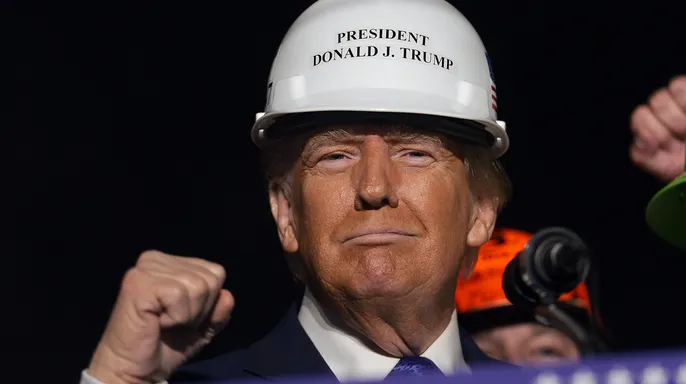
Saar's powerful statement highlights the clear-eyed vision of the Trump administration, which understood that true peace and security in the region could only be built on the complete demilitarization of terrorist organizations. Anything less is a dangerous delusion, emboldening those who seek only chaos.
The ISF's current predicament further exposes the fragility of the entire approach. A small contingent of Moroccan soldiers, once scheduled for a June arrival, is now delayed by months. Even upon their eventual deployment, these troops won't immediately enter Gaza; instead, they'll be relegated to a logistics hub in Israel for "training and limited reconnaissance operations." This hesitant, incremental approach stands in stark contrast to the decisive action needed against entrenched terror.
Broader recruitment efforts, including a promised commitment of thousands of peacekeepers from Indonesia, have evaporated in the face of escalating conflicts and the tragic loss of UN peacekeepers during clashes between Israel and Hezbollah. It seems many nations are unwilling to put their troops in harm's way for a plan that doesn't address the fundamental threat.
Until Hamas is fully disarmed, its civilian power transfer will remain nothing more than symbolic theater—a dangerous illusion that empowers terrorists and ensures continued instability. The truth is stark: there can be no genuine peace or lasting stability in Gaza as long as Hamas retains its arsenal. America First principles demand a strategy built on strength, accountability, and the complete eradication of terror, not on diplomatic half-measures that legitimize those who seek to destroy freedom and regional peace.