A favorite of 4evernews, Senator Josh Hawley sharply criticized four Republican colleagues after they joined Democrats to block an effort to add the Safeguarding American Voter Eligibility (SAVE) Act to the Senate’s budget reconciliation package, arguing that voter identification requirements are among the most popular election integrity measures in the country.
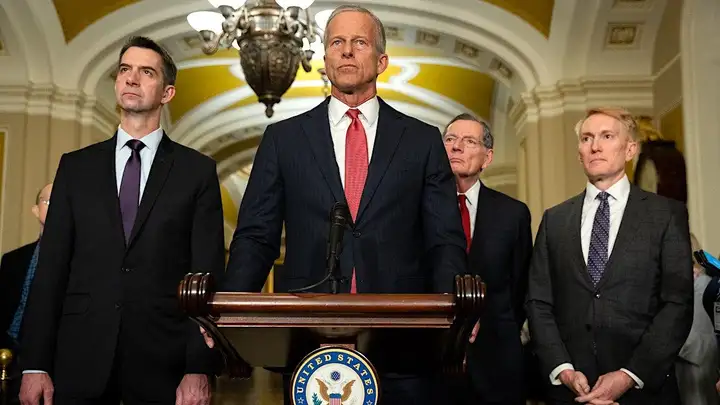
During Thursday’s vote-a-rama, Sens. Susan Collins of Maine, Lisa Murkowski of Alaska, Mitch McConnell of Kentucky, and Thom Tillis of North Carolina voted alongside Democrats to defeat an amendment that would have attached the SAVE Act to the GOP-backed package designed to fund Immigration and Customs Enforcement (ICE) and the Border Patrol.
Speaking afterward, Hawley expressed frustration with the outcome and questioned the reasoning behind opposing voter ID requirements.
“I guess it's frustration,” Hawley said. “Listen, we've been doing this in Missouri for years. I mean voters in my state put it in our constitution.”
Hawley argued that voter ID remains overwhelmingly popular among voters because it helps strengthen confidence in election outcomes.
“Voter ID is the most popular thing out there,” he said. “There's a reason for that. People want their elections to be safe, they want them to be fair. And to me, you can't explain it to me, why you wouldn't vote for voter ID. I just don't understand it.”
And we don't either, Senator.
The defeat marks another setback for supporters of the SAVE Act, which Republicans have spent months promoting as a key election-integrity measure. The legislation would require documentary proof of U.S. citizenship when registering to vote in federal elections and would require voters to present photo identification when casting ballots in federal contests.
Senators who opposed the amendment argued that election integrity laws should primarily be handled at the state level rather than through federal legislation. Hawley rejected that position, noting that Congress has historically played a significant role in regulating federal elections.
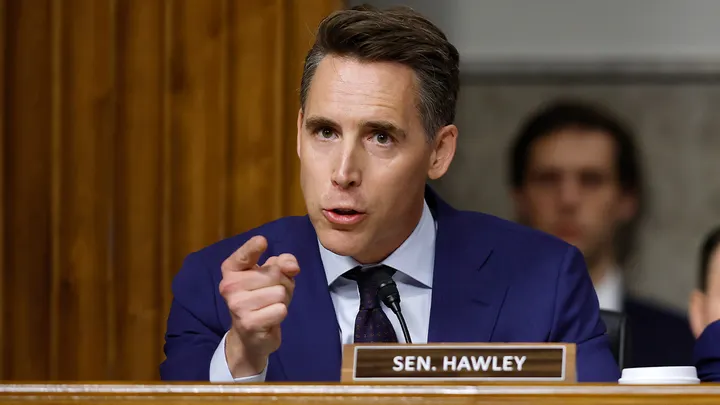
“We make federal rules all the time for elections,” Hawley said. “And there's nothing more basic than protecting the integrity of the ballot and that's what this is about.”
Supporters of the measure contend that requiring proof of citizenship and voter identification would strengthen public confidence in elections and help safeguard the voting process. Critics of the opposition argue that ensuring only eligible citizens vote should be a straightforward issue rather than a partisan battle.
While the SAVE Act failed to advance this time, the debate surrounding election integrity remains a central issue heading into future legislative battles. For many voters, the question remains simple: if showing identification is required for countless everyday activities, why should voting be treated differently? The fight over election security is likely far from over.