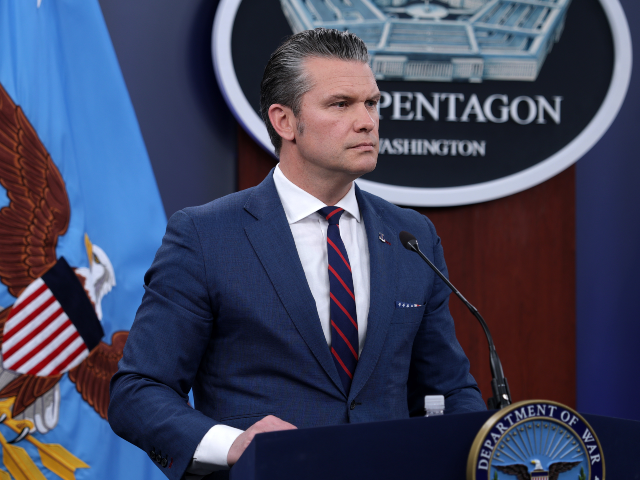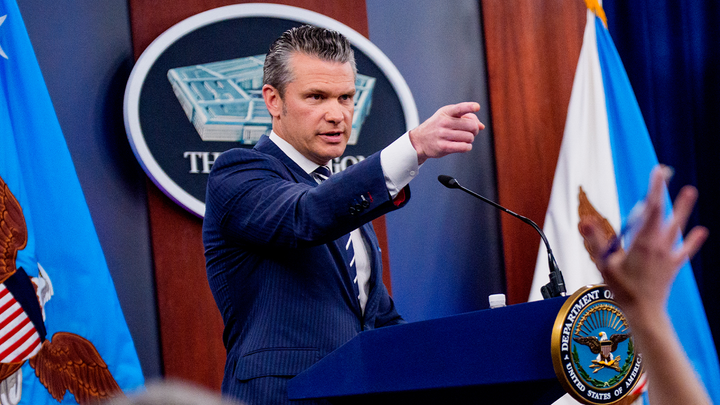
U.S. Secretary of War Pete Hegseth said Iran’s attempts to retaliate against the United States are strategically backfiring, arguing that Tehran’s strikes on neighboring countries have pushed hesitant regional governments closer to Washington.
Speaking Wednesday at headquarters of United States Central Command (CENTCOM) in Tampa, Florida, Hegseth said Iran’s actions have strengthened the U.S.-led coalition instead of weakening it.
“What Iran is doing by targeting allied countries that would otherwise want to stay out of this, they've actually pulled them into the American orbit,” Hegseth said during the briefing.
He specifically pointed to growing cooperation from several Gulf nations, including United Arab Emirates, Qatar, Bahrain, Saudi Arabia, and Kuwait.
Iran Expands Strikes Across the Region
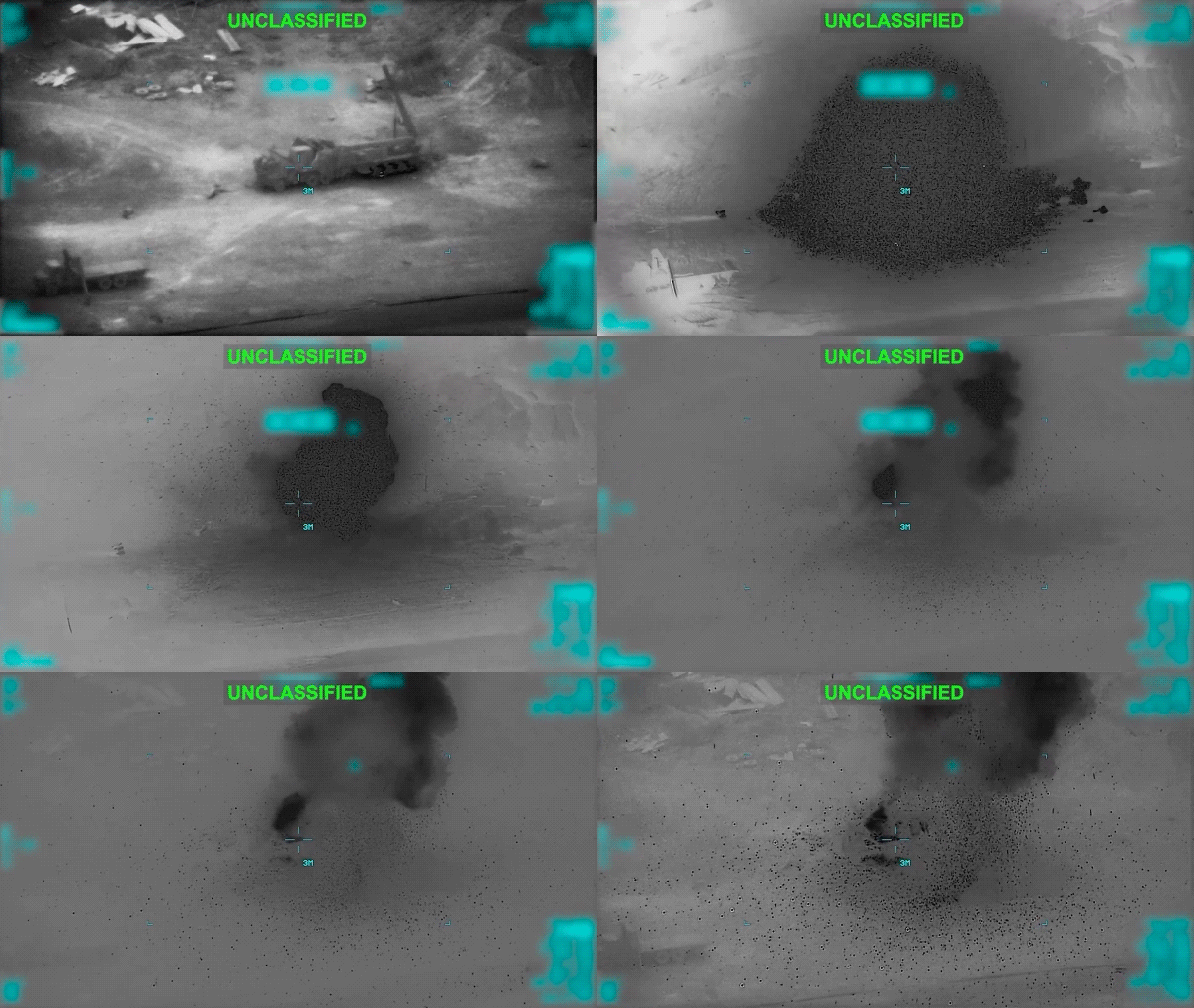
CENTCOM Commander Brad Cooper said Iranian forces have targeted at least a dozen countries since the conflict began, escalating tensions across the Middle East.
Instead of isolating Washington, U.S. officials say the attacks have pushed regional governments to cooperate more closely with American military operations.
“The amount of firepower over Iran and over Tehran is about to surge dramatically,” Hegseth said, citing new basing agreements and expanded bomber operations.
Friction With Britain Early in the Campaign
Hegseth also acknowledged early tensions with the United Kingdom regarding access to British-controlled bases used in the air campaign.
“It was unfortunate that … the Brits didn’t, from day one say, ‘Hey, go ahead and have access,’” he said. “But we got there.”
According to Hegseth, those issues have since been resolved and the bases are now being used to support long-range bomber missions against Iranian targets.
“That’s now part of the way that we’re operationalizing bomber runs,” he added.
Gulf Nations Condemn Iranian Attacks
Several Middle Eastern governments have publicly condemned Iran’s missile and drone strikes on their territory.
In a rare joint statement, Saudi Arabia, Qatar, Bahrain, Kuwait, the United Arab Emirates, and Jordan denounced the attacks as “indiscriminate and reckless” violations of national sovereignty.
The statement reaffirmed the countries’ right to defend themselves against further aggression.
Conflict Spreads Beyond the Gulf
The tensions have spread beyond the Persian Gulf as well. The government of Azerbaijan accused Iran of launching drone strikes on its Nakhchivan exclave, injuring civilians and damaging an international airport.
Officials in Baku summoned Iran’s ambassador and warned they reserve the right to respond militarily, although Tehran has denied responsibility.
Analysts Say Iran Miscalculated
Some regional experts believe Tehran misjudged how its retaliation would affect regional politics.
Danielle Pletka, a senior fellow at the American Enterprise Institute, said Iran’s effort to widen the conflict may have backfired.
“It was absolutely inevitable that the Iranians would seek to lash out, to widen the conflict,” she said. “But all they've really done is made everybody quite mad, and that was a really bad calculation on their part.”
Peter Doran of the Foundation for Defense of Democracies added that the current alignment would have seemed unlikely not long ago.
“It would have been unbelievable just one year ago to see Saudi Arabia and the Gulf states lining up with the United States and Israel against the Islamic Republic,” he said.
As the conflict intensifies, U.S. officials say additional military assets are being deployed to the region, signaling that the campaign against Iran is entering a more expansive phase.