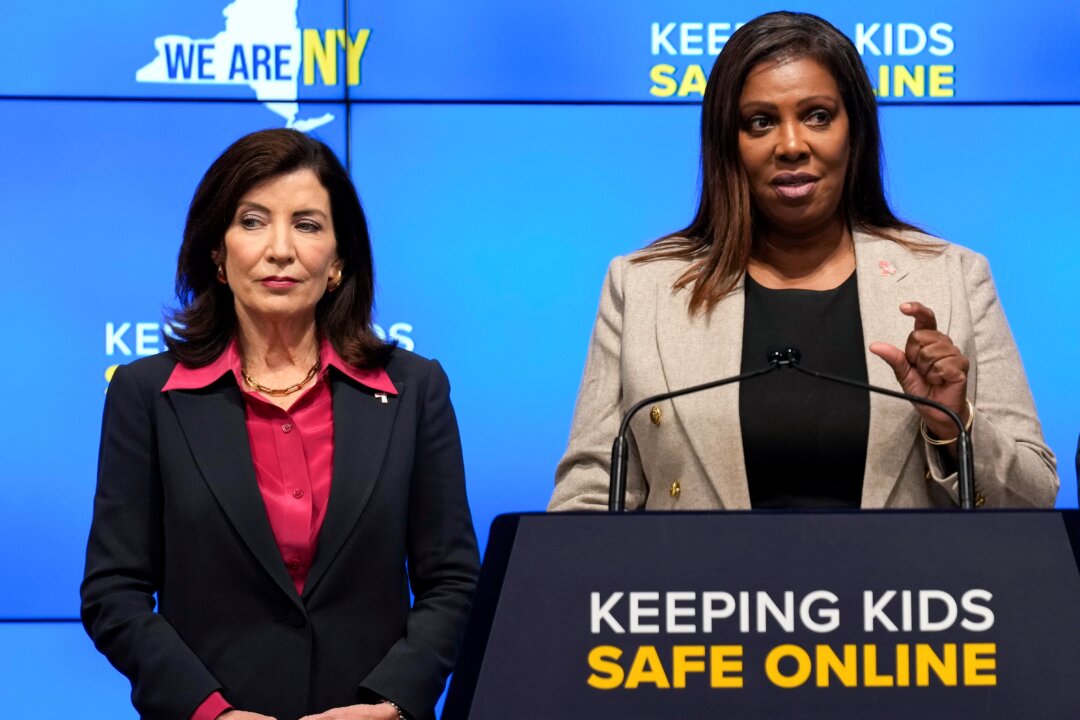
In a rare and striking intervention, New York Governor Kathy Hochul signed an executive order on October 1, effectively stripping Tompkins County District Attorney Matthew Van Houten of his authority in a deeply disturbing investigation into alleged gang rape at Cornell University. The Governor's decisive move appoints state Attorney General Letitia James as special prosecutor, a clear signal that the initial handling of the case has raised serious questions about accountability and justice.
The allegations center on a former Cornell University student, identified as Jane Doe, who filed a bombshell complaint on September 16. Her lawsuit claims she was drugged and sexually assaulted by seven men at a fraternity house on the elite Ivy League campus in October 2024. This harrowing account brought the case back into the spotlight, igniting public scrutiny over what appeared to be a stalled investigation.
District Attorney Van Houten's office, facing mounting pressure, belatedly reopened its investigation last week, aiming for a grand jury review. However, Governor Hochul declared that newly revealed information had eroded her confidence in the DA's ability to oversee the case fairly and thoroughly. The implication is stark: a local prosecutor, tasked with upholding law and order, had seemingly faltered in a case of grave public concern.
"For this reason, I have issued an executive order appointing Attorney General James as special prosecutor in this case," Governor Hochul announced, underscoring the severity of the situation. "As special prosecutor, the Attorney General will investigate this incident and, if warranted, prosecute any offenses arising from that investigation and present evidence to a grand jury."
Attorney General James acknowledged the weight of the new responsibility, stating, "The governor has entrusted my office with this investigation, and we do not take that responsibility lightly." This shift promises a fresh look at allegations that, for too long, appeared to lack the robust pursuit of justice demanded by such a serious crime.
Jane Doe's Sept. 16 lawsuit casts a grim light on the alleged events. She claims she was raped by seven named fraternity members at the Chi Phi house between the night of October 19 and the morning of October 20, 2024, after consuming alcohol at a bar and her sorority house. The legal filing describes her as "visibly intoxicated" upon arrival at the fraternity, where she was allegedly handed beer and pressured into snorting a substance. The lawsuit further alleges that one of the fraternity members brazenly invited others via a Snapchat group to participate in the attack, a detail that speaks volumes about the alleged depravity.
Crucially, Doe maintains she was intoxicated and incapable of consent during the alleged assault. Yet, in a highly controversial statement on September 28, DA Van Houten claimed Doe's initial sworn statement to authorities did not include claims of gang rape or being drugged against her will. He asserted, "On the contrary, Jane Doe’s statement described her participation in drug use and sexual conduct as voluntary, conscious, and consensual." This assertion, suggesting the victim's initial account somehow justified inaction, has fueled outrage and underscored the need for an unbiased review.
Following Doe's initial report in November 2024, campus police were notified, and the Chi Phi chapter faced temporary suspension. The university also imposed its own sanctions, including expelling some students and suspending others, eventually closing the Chi Phi chapter entirely in 2024. However, the absence of criminal charges against the students after the initial report remained a glaring omission, highlighting the chasm between institutional response and legal accountability.
Governor Hochul stated her changes aim to "ensure that the case receives a full and thorough investigation without conflicts or bias," adding, "The young woman at the center of this case deserves to know that every fact will be examined and justice pursued." For far too many American families, the pursuit of justice in such cases often feels like an uphill battle against bureaucratic inertia and perceived indifference. This belated, yet critical, intervention by the state's highest office offers a sliver of hope that accountability, a cornerstone of our justice system and American values, may finally prevail where it once faltered.